Celebrating the Unseen Genius: Recognizing the Contributions of Lesser-Known Inventors

In the world of inventions and discoveries, certain names have claimed an indelible spot in our collective memory. Names such as Alexander Graham Bell, Thomas Edison, and Albert Einstein are often synonymous with innovation. However, in the shadows of these towering figures, there are lesser-known inventors whose contributions to society are equally impactful, if not more so. At Tucker Law, we believe in recognizing and protecting the rights of all inventors, regardless of the magnitude of their fame. Today, let's delve into the remarkable stories of these unsung heroes of invention. Innovation Beyond the Limelight The world we inhabit today has been sculpted by countless inventors, many of whom rarely receive the credit they deserve. For example, consider the brilliant mind of Hedy Lamarr, a Hollywood actress and an inventor. She co-developed a frequency-hopping system during World War II, a technology that forms the backbone of modern Wi-Fi and Bluetooth systems. Then there's Elijah McCoy, the African American inventor whose automatic oiling device revolutionized the locomotive industry. His invention was so successful that people started asking for 'the real McCoy,' a phrase that has now become part of our everyday lexicon. Protecting Innovations While we laud the accomplishments of these unsung inventors, it's equally important to discuss how their inventions were protected. The realm of patent law is as complex as it is crucial. At Tucker Law, we understand the importance of securing your inventions and safeguarding your intellectual property rights. Whether you're an inventor in the public eye or a lesser-known innovator, your contributions to society deserve to be recognized and protected. Innovators of the Future As we look towards the future, it's important to encourage and support the next generation of lesser-known inventors. [...]

Navigating the Maze: Understanding Trademark Infringement and Fair Use

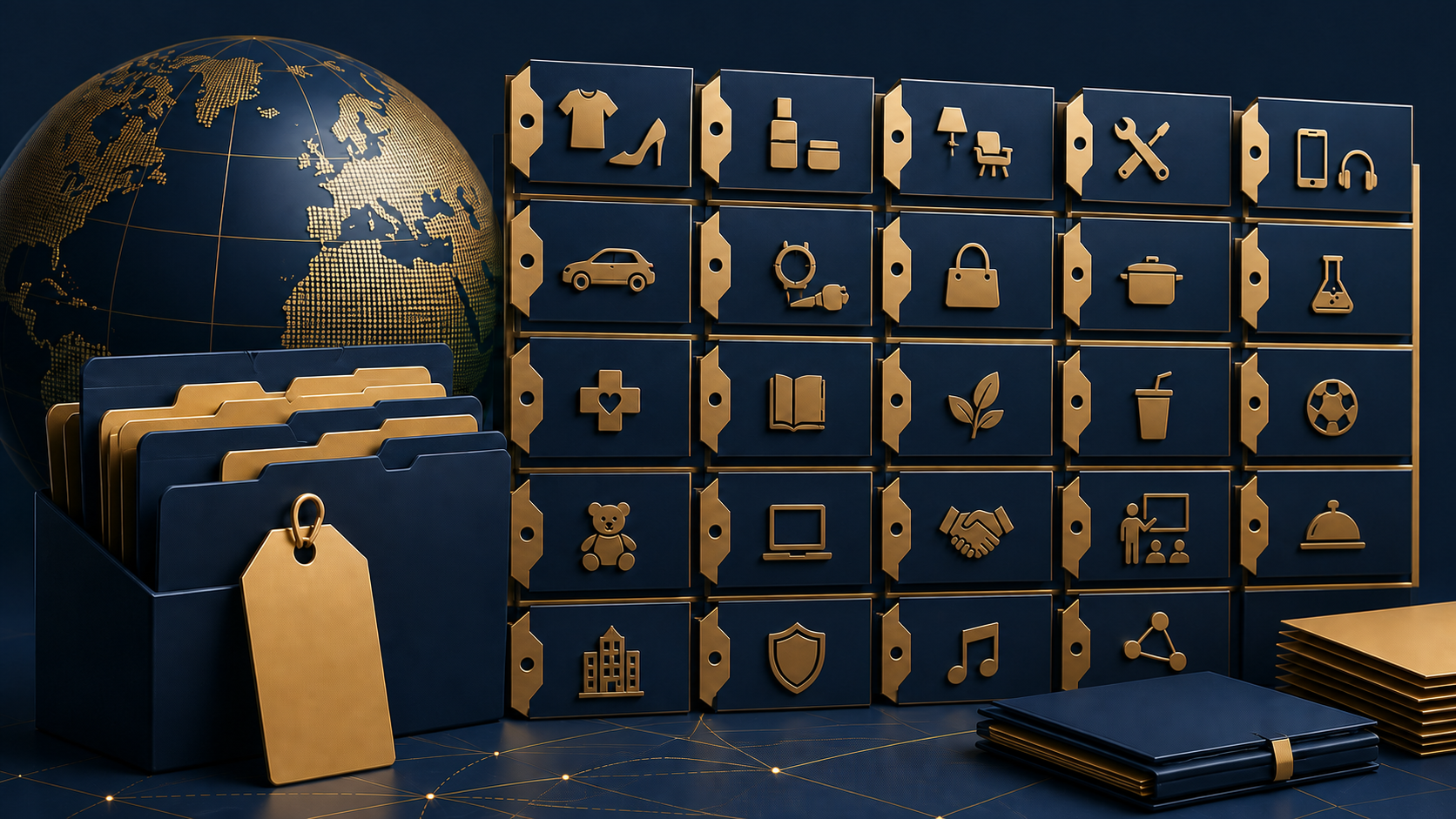
Trademark Infringement: The Basics To the untrained eye, trademark infringement might seem straightforward, but it's a complex area of law. Trademark infringement happens when one party uses a trademark identical or closely similar to a trademark owned by another party in a way that can cause confusion about the origin of goods or services. Several factors come into play when determining infringement, such as the similarity of the marks, the relatedness of the goods/services, and the channels of trade and advertising. Fair Use: A Double-Edged Sword The concept of 'fair use' is another intriguing facet of trademark law. It refers to the limited use of a protected trademark without needing the owner's permission. Fair use is categorized into two types: descriptive and nominative. Descriptive fair use lets someone use a trademark to describe their own products, while nominative fair use allows someone to use a trademark to point to the trademark owner's actual goods or services—for example, for comparative advertising, criticism, or parody. However, pinpointing whether a specific case falls under fair use often mandates meticulous legal scrutiny. Trademark Dilution: Guarding Fame Another layer of complexity is added by trademark dilution. This happens when a third party uses a famous trademark in a way that could diminish its uniqueness or tarnish its reputation, even if there's no likelihood of confusion. International Trademark Law: A Global Challenge The complexities of trademark law go beyond national boundaries. Different countries have different rules and procedures for registering and protecting trademarks. Understanding how to shield a trademark on an international scale can be a formidable task. Online Trademark Issues: The Digital Frontier Finally, with the digital revolution, a new set of complications related to trademarks has arisen. Issues related [...]

New Inventors’ Quick Guide to the Patent Process

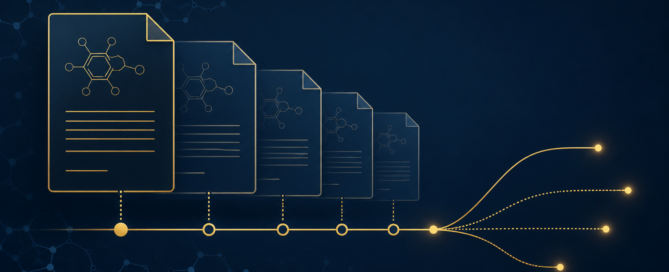
The patent process can be a daunting task for new inventors, especially without hiring a patent attorney. With the right guidance from a registered patent attorney, it is possible to secure protection for your invention from broad to narrow. The first step in the patent process is to conduct a patent search. This will help you determine if your invention is already patented or if it is similar to any existing patents. Many times however, patent searches are better for the patent attorney helping you draft the application than it is for the inventor.  You can conduct a patent search online using the USPTO's website, but really you should hire a patent attorney to conduct the search for you.  It is unlikely that you have the experience or the skills to find relevant art or to properly interpret the results. Once you have determined that your invention is unique and not already patented, you can then proceed to draft a strong patent application. The patent application should include a detailed description of your invention, drawings or diagrams, and a connection between them. It is important to be as detailed and specific as possible in your patent application, as this will help to increase your chances of being granted a patent and prevent the application from being later invalidated. Once your patent application is submitted, it will be reviewed by a patent examiner. The examiner will review your application to ensure patentability.  If there are any issues with your application, the examiner will let you know and give you a chance to address them.  However, even validly issued patents can be later invalidated through the inter partes review process. Once your patent application is approved, you [...]

Unsung Patent Heroes: Recognizing the Innovators Behind the Scenes

In the world of technology and innovation, patent holders are often seen as the heroes. Patent holders are the ones who come up with the brilliant ideas and bring them to market. But you may be asking yourself, are there other unsung patent heroes? Many of whom play an important role in the patent process. Many unsung heros go unrecognized. An example of these individuals are the ones who work behind the scenes to turn an idea into a patentable invention. One unsung patent hero is your patent attorney. We are responsible for helping inventors navigate the complex world of patent law, and we play a crucial role in the patent process. A lot of times patent attorneys help inventors simplify the process and breakdown the important aspects of the invention. Patent attorneys help inventors understand their rights and obligations, and they work to ensure that the patent application is properly prepared and submitted. Without our expertise, many inventors would struggle to secure a patent. That is because of the complexity of obtaining patent rights. Another unsung patent hero is the patent examiner. USPTO patent examiners are responsible for reviewing patent applications. They also determine whether the inventions meet the legal requirements for a patent. Exmainers must have a deep understanding of the technology or field related to the patent application. They must also be able to evaluate whether the invention is truly novel, as well as non-obvious. Patent examiners' work is critical to ensuring that only truly innovative ideas are granted patents. Finally, there are the patent support staff. Support staff are the ones who help to keep the patent office running smoothly. Patent support staff handle administrative tasks such as processing fees and maintaining [...]

Tracking Your Trademark Status with the USPTO

Are you aware of the responsibilities you have as an applicant or registrant? When it comes to tracking the status of your trademark matter with the USPTO, it is a must. Have you read 37 C.F.R. §2.23(d)? Probably not. And if you don't find this articl exciting, you probably need to hire a trademark attorney to help you through the process because ultimately it is your responsibility to stay on top of the time frames and ensure that you have received all necessary notices and actions. If you have not received any communications, it is important that you promptly and regularly check the status of your matter. It's important to note that failure to act diligently and follow up with appropriate action may result in denial of your application. To help you stay on top of your trademark status, the USPTO provides the Trademark Status and Document Retrieval (TSDR) database, as well as telephone assistance and status checks with the TAC. 37 C.F.R. §2.23 is a section of the Code of Federal Regulations that pertains to the United States Patent and Trademark Office (USPTO). Specifically, it outlines the time frames and requirements for communication between the USPTO and applicants or registrants regarding the status of their trademark matter. Subsection (d) of this regulation states that applicants and registrants are responsible for tracking the status of their trademark matter. It is your responsiblity to ensure that you have received all necessary notices and actions from the USPTO. The USPTO also provides various resources for applicants and registrants to check the status of their trademark matter, such as the Trademark Status and Document Retrieval (TSDR) database and telephone assistance from the TAC. It's recommended to consult TMEP [...]

Go to Top