My Child Got Hurt at a Friend’s House—Am I a Bad Person for Asking About Legal Rights?

If your child gets hurt at a friend’s house, your first instinct is not “lawsuit.” It’s panic. It’s guilt. It’s replaying the moment in your head like a movie you didn’t ask to watch. Now you find yourself searching on the internet, "My Child Got Hurt at a Friend’s House—Am I a Bad Person for Asking About Legal Rights?" And then—usually later that night, after the ice packs and the urgent care paperwork—you have a second wave of feelings: “They’re our friends.” “I don’t want to ruin anyone.” “Am I really the kind of person who ‘goes legal’ over a kid accident?” Let me say this as plainly as I can: asking about your child’s legal rights does not make you a bad person. It makes you a parent who is trying to protect your child’s future. Because here’s the part most people don’t realize: in many situations, the “money” doesn’t come out of your friend’s pocket the way it does in your imagination. It often comes from liability insurance—the same kind of coverage people carry specifically for accidents that happen on their property. This is one of those moments where the kind thing and the responsible thing can be the same thing. What matters first: your child’s health and future care Kids can bounce back fast… until they don’t. A broken arm can be straightforward. A head injury can look fine for days and then turn into ongoing symptoms. A dog bite can heal on the surface but still require scar treatment, therapy, or follow-up procedures later. When families call us, they usually aren’t looking for revenge. They’re looking for answers like: Will insurance cover the ER bill? What if my child needs a [...]

Someone Copied My Logo Colors and Style…Can They?

You picked your colors on purpose. Maybe it took weeks of tweaks to get the shade “just right.” You chose a font that felt like your brand. You built a website, packaging, or Instagram grid that looks like you. Until, a few days, weeks, months, later, you find yourself googling, "someone copied my logo colors and style…Can they?" The truth is... Sometimes yes. Sometimes no. And the difference usually comes down to one concept most business owners haven’t heard of until it happens to them, which is called trade dress. Trade dress is the overall look and feel of a brand that signals to customers where something comes from. It can include things like: color schemes used consistently in your branding or packaging the layout of a product label or box the “getup” of a restaurant (decor, menu style, uniforms) the design of a website or app interface when it functions like branding the overall presentation of a product that customers recognize as “yours.” Think of trade dress like this: your logo is your face. Your trade dress is your outfit, your haircut, your voice, and the way you walk into a room. If a competitor copies enough of that overall presentation, the law may treat it as brand infringement even if the logo is technically different. “But they didn’t copy it exactly…” — why “close enough” can still be illegal. A common myth is: “If I change it 20% it’s fine,” or “If it’s not identical, I’m safe.” Unfortunately, that’s not how these cases are evaluated. The legal question usually becomes: Will consumers likely be confused about whether the products or services come from the same source? Trade dress claims typically focus on: the [...]

Work says my injury is ‘just workers’ comp’—do I have other rights?

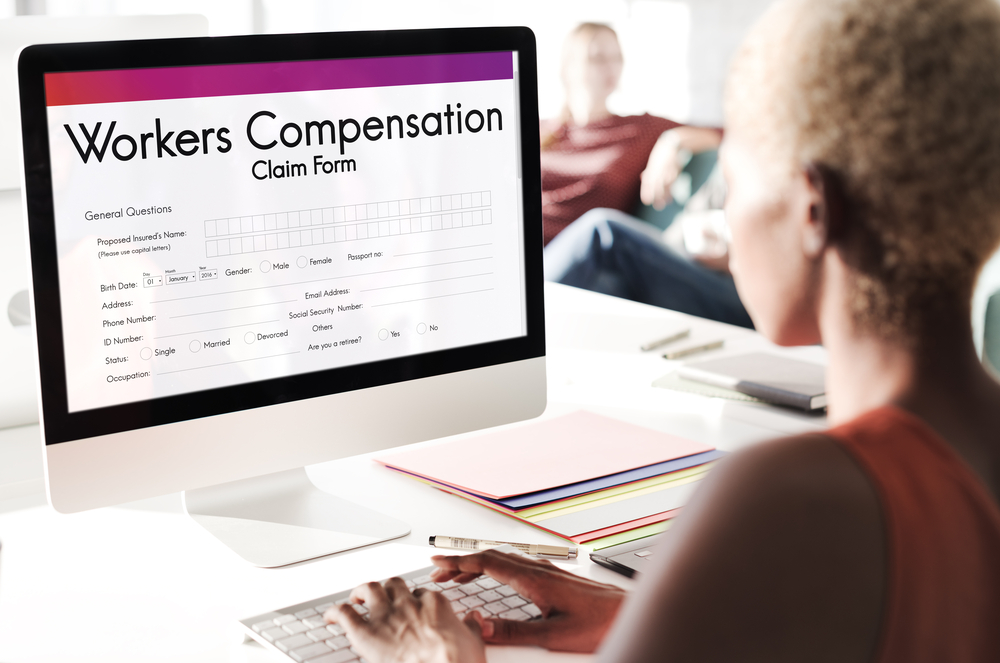
If you got hurt in your office or at work in Florida, and you're hearing/thinking that "my injury is just workers' comp, but do I have any other rights?", most of the time, workers' comp is only half the story. At Tucker Law, our firm is proud to explain things in general terms in order to keep things simple and not confuse anyone. Workers’ compensation is designed to provide medical care and some wage replacement, moving quickly. The trade-off is that, in most cases, you can’t sue your employer for ordinary negligence because workers’ comp is the “exclusive” remedy. (Online Sunshine) A key component to it all is "who is responsible?" Your employer isn’t always the only party responsible. If a negligent driver, subcontractor, property owner, manufacturer, or another non-employer caused or contributed to your injury, you may have a separate third-party claim on top of workers’ comp. (Online Sunshine) Below, our firm has provided a simple list of what workers' comp pays out to you and another list of what it doesn't. In these cases, you never want to assume that everything is going to be handled or, for the most part, covered. Workers’ comp typically covers: authorized medical treatment a portion of lost wages (not your full paycheck) certain disability benefits Workers’ comp usually does not cover: pain and suffering full wage loss and future earning capacity, the way a negligence claim can the full, real-life ripple effects (family strain, loss of normal life, long-term limitations) The gap between the two is exactly why third-party claims matter, because you do have other rights beyond your workers' comp. In Florida, workers’ comp immunity generally protects the employer, but there are important exceptions and workarounds depending [...]

New Rulemaking Proposal by the USPTO: Enhancing Innovation and Reducing Litigation Costs

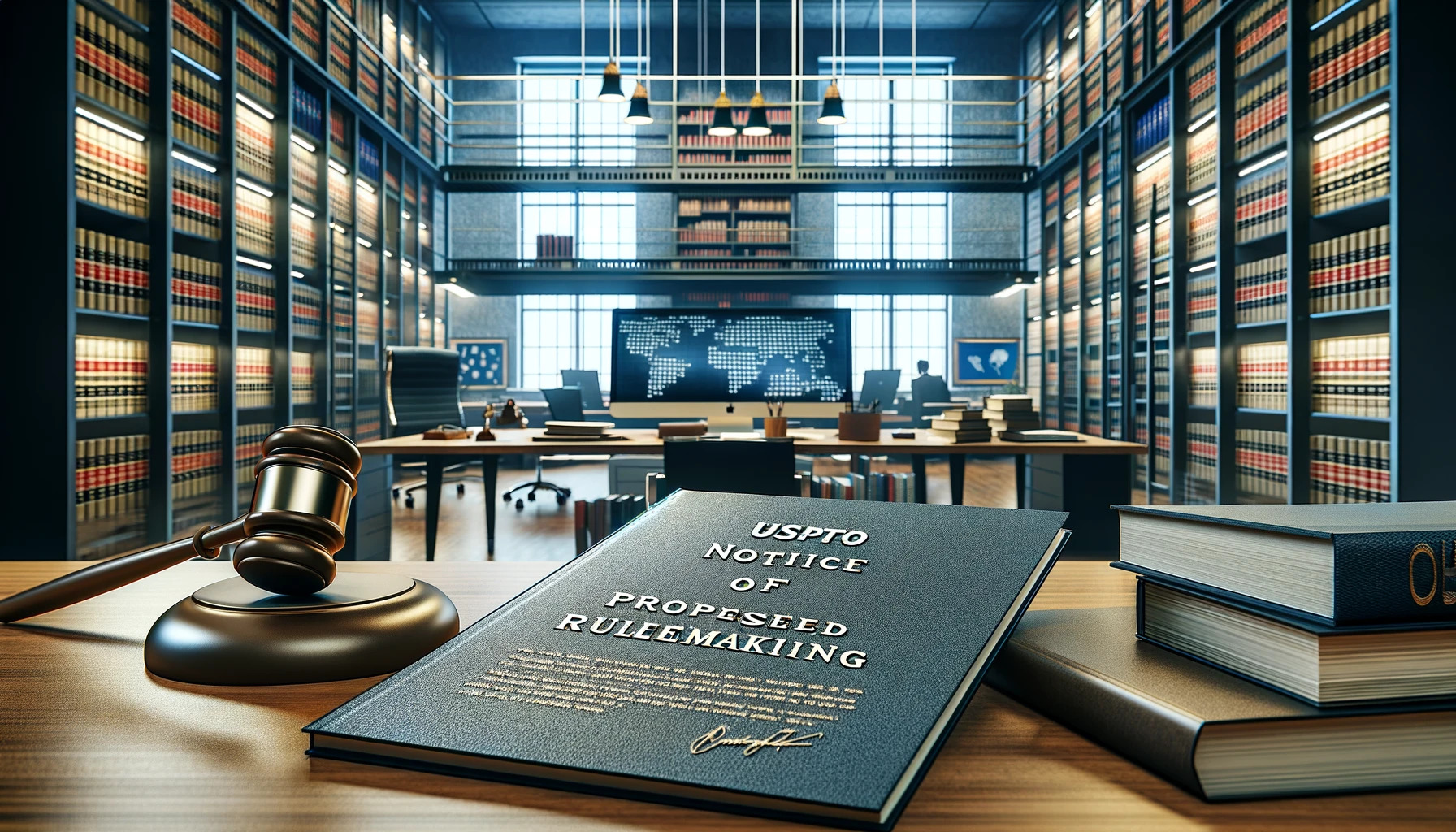
In a pivotal move, the United States Patent and Trademark Office (USPTO) has issued a Notice of Proposed Rulemaking (NPRM) aimed at refining the process related to terminal disclaimers used to address nonstatutory double patenting issues. This proposed rule is designed to not only streamline patent dispute processes but also to reduce the litigation expenses associated with challenging patents that are merely patentably indistinct variations of a single invention. Understanding Nonstatutory Double Patenting Nonstatutory double patenting, often referred to as "obviousness-type double patenting," arises when an inventor or patent owner attempts to extend the patent exclusivity term through multiple patents with claims that are not substantially different from one another. Currently, the USPTO mitigates this by requiring terminal disclaimers that tie the enforceability of such patents together, preventing patent term extension beyond the term of the original patent. This practice ensures that the patent system incentivizes innovation while providing certainty to competitors and the public. The Proposed Rule: A Strategic Shift The new rule proposed by the USPTO introduces a third condition to the existing framework. Specifically, to overcome double patenting, a patentee must now agree that the enforceability of a patent under a terminal disclaimer is contingent upon the patent never having been tied, through a terminal disclaimer, to another patent where any claim has been definitively ruled unpatentable or invalid over prior art. This change aims to prevent the enforcement of patents that have been indirectly invalidated, thus reducing unnecessary litigation costs and focusing disputes on more substantive issues. Benefits of the Proposed Rule The implications of this rule are significant: Reduced Costs: By eliminating the need to challenge each patent in a group of related patents separately, the overall cost of patent [...]

Is Florida a No-Fault State?

Florida is a no-fault state when it comes to car insurance, which plays a significant role in how damages are awarded in car accidents. Drivers in Florida are required to carry personal injury protection (PIP) to cover for injuries and other damages regardless of who is at fault in an accident. Here is everything you need to know about Florida’s no-fault system: Understanding No-Fault Insurance The principle of no-fault insurance is that it provides each injured party in a car accident with compensation for their injuries or other damages. Each injured party must pursue compensation from their insurance company, regardless of who is responsible for the accident. The reasoning behind this system is that it allows victims to receive prompt payment for medical bills and reduces the need for litigation between parties, at least in minor accident claims. The concept of no-fault insurance originated in the United States in the 1970s. It was issued to address the growing concerns of traditional fault-based systems which were often related to lengthy and costly lawsuits. Many states in the U.S., including Florida, have adopted the no-fault system to streamline the claims process and ensure faster compensation for accident victims regardless of fault. Florida’s No-Fault System & Its Benefits In Florida, the no-fault insurance system is known as Personal Injury Protection (PIP) insurance. Drivers in Florida must possess a minimum PIP insurance of $10,000 in coverage to cover for medical expenses and other related costs resulting from car accidents. PIP coverage insurance includes: Medical expenses such as doctor visits, hospital bills, diagnostic tests, or rehabilitation services Lost wages as a result of car accident injuries can be recovered by up to 60% Death benefits, such as funeral expenses and [...]

Go to Top