“The Dog Owner Says the Bite Was My Fault” What Florida Law Really Looks At After a Dog Bite
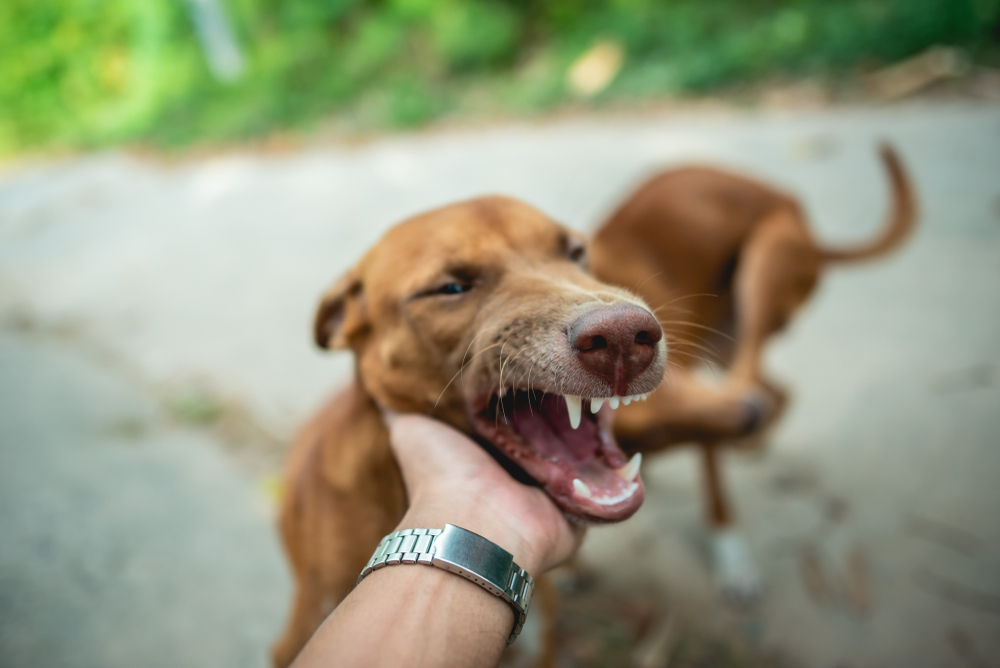
You’re standing there doing what normal people do, maybe you reached down to pet a dog, maybe you were walking past someone’s porch, maybe you were at a friend’s house, and the dog wandered over like it wanted attention. Then it happens: teeth, pain, blood, shock, and the dog owner says the bite was my fault!
And almost immediately, you hear it:
“You must’ve pet it wrong.”
“You startled him.”
“He doesn’t do that—so it must’ve been you.”
“You shouldn’t have reached toward his head.”
If you’ve been bitten, it’s incredibly common for the owner (or their insurance company) to try to flip the story into “your fault.” It’s also one of the biggest reasons people delay getting help—because they feel embarrassed, guilty, or unsure.
Let’s clear the air: in Florida, a dog bite case is not automatically defeated just because the owner says you “pet it wrong.”
Here’s what actually matters:
Why owners say “you pet it wrong” (and why it’s not the whole story)
When someone’s dog bites, two things tend to happen at the same time:
- They care about their dog and feel defensive.
- They worry about consequences—insurance claims, medical bills, and even whether the dog will be reported.
So the “pet it wrong” line is often less about what happened and more about avoiding responsibility.
But dog bites aren’t graded on etiquette. Florida law looks at legal responsibility, not perfect manners.
Florida dog bite law: the short version
Florida is known for being tough on dog bite cases—because the law generally holds owners responsible when their dog bites someone.
In many situations, the focus is simple:
Did the dog bite you?
Were you lawfully in the place where it happened?
If yes, the owner may still be liable—even if they claim you did something “wrong” like petting the dog awkwardly.
That doesn’t mean every situation is identical. It does mean you shouldn’t talk yourself out of a claim just because the owner is pointing fingers.
When “fault” can become a real issue: provocation and comparative negligence
There are two concepts you’ll hear in dog bite cases that owners love to stretch:
Provocation:
This is the idea that someone did something to provoke the dog—like hitting, kicking, cornering, teasing, or doing something aggressive. True provocation can reduce or even defeat a claim depending on the facts.
Comparative negligence:
Sometimes insurers argue you contributed to what happened—like ignoring a warning, entering an area you weren’t supposed to be in, or acting in a way they claim increased the risk.
Here’s the key: “petting it wrong” is not the same thing as provocation.
A normal, non-aggressive interaction—especially in a public place or a social setting—is usually not provocation. Insurance companies may try to blur that line. We don’t.
Real-life scenarios: what Florida dog bite claims often come down to
Let’s make this practical. Here are a few common situations and what they tend to mean:
- “I reached out and it bit me.”
That alone doesn’t automatically make it your fault. A friendly gesture is not the same as provoking a dog. - “The owner said, ‘He’s friendly,’ so I pet him.”
That’s important. Owners’ words matter—especially if they invited interaction. - “There was a ‘Bad Dog’ or ‘Beware of Dog’ sign.”
A sign doesn’t automatically protect the owner, and it definitely doesn’t pay your ER bill. Signs can matter, but they don’t erase legal responsibility in many cases. - “The dog bit my face/hand, and I needed stitches.”
Severity matters for damages. The more serious the injury, the more important it is to document treatment, follow-up care, and scarring. - “It happened at someone’s house.”
Homeowner’s insurance (or renter’s insurance) often becomes the real defendant—meaning you’re usually pursuing coverage, not personally attacking someone.
The evidence that helps settle the “fault” argument fast
Dog bite cases often turn into a game of “who said what.” The sooner you lock down the facts, the better.
If you can, focus on getting:
- Photos of the bite right away (and over the next days as bruising develops)
• The exact address where it happened
• The dog owner’s name and contact info
• Witness names and numbers
• Medical records from urgent care/ER and follow-ups
• A report number if Animal Control or law enforcement was contacted
• Proof of lost work (missed shifts, reduced hours)
• Any texts/messages where the owner admits the bite or discusses the dog’s behavior
If there’s one thing I’ve learned handling injury claims: memories “change” when money gets involved. Documentation doesn’t.
Don’t let early conversations trap you.
After a dog bite, owners and insurers often push for quick statements:
“Just tell me what happened.”
“Can you put it in writing?”
“Our insurance needs your side.”
Be careful. Early statements are made when you’re still in pain, still shaken up, and often before you know whether the wound will scar or get infected.
You can be polite without giving a detailed recorded narrative. And you can get legal guidance before you give an insurer ammunition to argue “you admitted fault.”
What compensation can include after a dog bite in Florida:
A dog bite isn’t just a one-time medical visit. People deal with infection risk, scarring, nerve issues, fear around dogs, and missed work.
Depending on the case, compensation may include:
- ER/urgent care and follow-up treatment
• Plastic surgery or scar revision (when needed)
• Antibiotics, tetanus shots, and wound care
• Lost wages and reduced earning ability
• Pain, suffering, and emotional distress
• Permanent scarring or disfigurement
And yes—scars matter. Especially bites on the face, arms, and hands.
In short, if a dog bit you and the owner says it was your fault for “petting it wrong,” don’t assume you’re out of options. That phrase is usually a defense strategy, not the legal conclusion.
At Tucker Law, our firm has helped many dog bite victims take control of the situation: we gather the evidence early, deal with insurance adjusters, and build a clear, well-documented claim that doesn’t rely on “he said / she said.”
If you were bitten in Florida and you’re getting blamed for it, call us. Our firm will walk you through what matters, what doesn’t, and what your next step should be.
Call Tucker Law at 1-800-TUCKERWINS.