Boating Accidents in Florida and What to Do Next
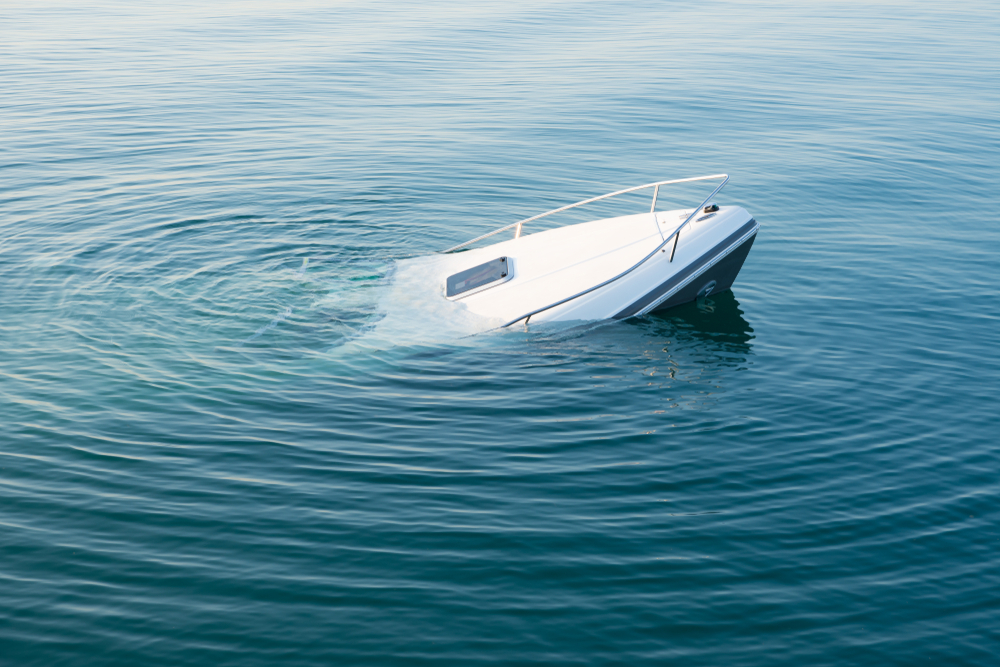
Florida is built around water. Weekends on the Intracoastal, fishing trips offshore, sunset cruises, jet skis, sandbar days—boating is part of the lifestyle. But when something goes wrong on the water, it can go wrong fast. Here is a simple explanation of boating accidents in Florida and what to do next.
The part most people don’t realize until they’re living it: a boating accident is not just “a car crash on water.” The injuries can be more severe, the liability is often more complicated, and the evidence can disappear quicker than you’d think (because tides, weather, and boats don’t exactly sit still).
If you or someone you love was hurt in a Florida boating accident, here’s a practical, step-by-step guide on what to do and why having a lawyer involved early can make a real difference in both your recovery and your financial outcome.
Florida is water. Intracoastal weekends. Sandbar days. Fishing trips. Jet skis buzzing around like they own the place.
And then—one wake, one bad turn, one distracted operator, one “we’ve done this a thousand times”—and your day becomes an emergency.
If you’ve been in a boating accident, you’re probably asking the same questions I hear all the time:
Who’s responsible?
Do I have to report this?
What if I was a passenger and it was my friend driving?
How do I pay these medical bills?
And why does the insurance company sound friendly… but keep pushing me to “wrap it up”?
Let’s walk through what to do next, step-by-step.
why boating cases can turn into a blame game fast—unless you take the right steps early.
Step one: safety and medical care come first
I know this sounds obvious, but it’s where people lose ground without realizing it.
If there’s a boating crash:
- Make sure everyone is accounted for. Get people out of the water if possible.
- Get life jackets on immediately.
- Call 911 if anyone is seriously hurt, missing, or in danger.
- If you can do it safely, shut off the engine(s) and prevent the situation from getting worse.
Then: get medical care the same day.
Adrenaline hides injuries. Water impact injuries can be serious even when the boat “wasn’t going that fast.” Concussions, back injuries, shoulder tears, and internal injuries often show up after you’ve gone home and tried to sleep.
Also—this matters for your claim—if you wait days to get checked out, the insurance company will later suggest your injuries weren’t caused by the accident (or weren’t serious).
Report it the right way (yes, boating accidents have reporting rules)
Florida has specific accident reporting requirements for boating incidents, and the deadlines can be much shorter than people expect—sometimes measured in hours, not weeks. The duty to report often falls on the vessel operator, and there are also written report requirements depending on what happened. (FWC)
If the accident involved death, an injury needing treatment beyond basic first aid, a disappearance, or significant property damage, you generally need to report it. (FWC)
One practical takeaway: don’t assume “someone else handled it.” If you were involved, make sure it’s actually been reported.
What to do at the scene (if you’re able)
1) Identify everyone involved
Get the operator and owner information for every vessel involved:
- Names, phone numbers, emails
- Vessel registration/documentation numbers
- Insurance details (if available)
- Rental or charter company info (if it’s a rental/guide/crew situation)
2) Photograph and video everything
Your phone is your best friend here. Capture:
- Damage to all boats, docks, props, and railings
- The water conditions (calm, choppy, heavy wakes)
- The exact location (markers, landmarks, GPS screenshot)
- Any visible injuries
- Safety gear (or lack of it) if relevant
3) Get witnesses before they disappear
On the water, people don’t stick around like they do on a roadway. If another boater saw what happened, get their contact info immediately.
4) Don’t “clean it up” with casual apologies or guesses
This is hard, because decent people want to calm things down. But phrases like “I’m fine,” “It was probably nobody’s fault,” or “We were all messing around” can come back later as a weapon in an insurance claim.
Be factual. Be calm. And save the analysis for later—preferably after you’ve talked with a lawyer.
The most common mistakes after a Florida boating accident:
Here’s what I see people do (understandably) that later costs them real money:
- Waiting too long to get medical care
- Failing to report the accident properly
- Not documenting the vessels, registration numbers, or operator identity
- Letting boats get repaired before photos and inspections
- Giving a recorded statement too early
- Taking a quick settlement that only covers the first round of bills
- Posting on social media (“Back on the boat!” “All good!”)
- Assuming “my friend’s insurance will do the right thing”
Insurance companies are businesses. They don’t pay what feels fair. They pay what’s proven.
How a lawyer helps after a boating accident in Florida
People sometimes hesitate to call a lawyer because they picture it as “starting a fight.”
In reality, most boating injury claims are insurance claims—and they’re about protecting your health, your finances, and your future.
Here’s what our firm helps with at Tucker Law that typically changes the outcome:
Firstly, our firm finds all the coverage because boating cases rarely have just one policy.
Depending on the situation, compensation might come from:
- Boat liability insurance
- Homeowners insurance (sometimes)
- Umbrella policies
- Rental/charter company coverage
- A business policy (if the boat was used commercially)
If you only chase one policy, you can leave money on the table, especially, if injuries are serious.
Preserves evidence before it disappears
In water cases, timing matters. We work to secure:
- Witness statements
- Photos/video and GPS data
- Marina or dock surveillance (often overwritten)
- Boat maintenance records
- Rental agreements/waivers
- Reports and investigative materials
Builds the medical story the right way
Your claim is only as strong as the documentation behind it. We help connect the dots:
- ER records, imaging, specialist referrals
- Physical therapy and rehab
- Future treatment needs
- Permanent limitations
- How the injury affects work and daily life
Handle the insurance pressure
You shouldn’t be negotiating while you’re still in pain and still figuring out what’s wrong with your body.
Adjusters are trained to:
- Get recorded statements early
- Frame questions in a way that reduces their payout
- Push fast settlements before long-term issues are clear
Our firm takes over those communications so you can breathe.
A word about fault in Florida: it matters more than most people realize
In Florida negligence cases, fault can reduce what you recover—and if you’re found more than 50% at fault for your own harm, you may be barred from recovering damages in many situations. (Florida Legislature)
That’s why it’s important not to casually admit blame, speculate, or let the other side define the story early.
What you may be able to recover after a boating accident
Every case is different, but these are common categories of damages:
- Medical bills (past and future)
- Lost wages and reduced earning ability
- Pain and suffering
- Disability, scarring, and disfigurement
- Out-of-pocket costs (meds, travel, equipment)
- In tragic cases, wrongful death damages for families (Florida Legislature)
Florida deadlines are shorter than many people grew up hearing.
Most negligence actions have a two-year statute of limitations, and wrongful death actions are also subject to a two-year deadline. (Florida Legislature)
Quick checklist: what to do next
If you want the simplest “do this now” list, here it is:
- Get medical care today (not “when it’s convenient”)
- Make sure the accident is reported properly
- Write down what you remember while it’s fresh
- Save photos, videos, texts, and receipts
- Don’t give a recorded statement before getting legal guidance
- Don’t accept a quick settlement until you understand your injuries
- Call a lawyer early so evidence doesn’t disappear
Talk to our firm, Tucker Law, before the story gets written without you
After a boating accident, people often feel pressure to “keep it friendly,” especially if it involved friends or family. But protecting your claim doesn’t mean attacking someone personally. It means making sure the insurance resources that are supposed to be there actually show up when you need them most.
If you or a loved one was hurt in a Florida boating accident and you’re not sure what to do next, call Tucker Law at 1-800-TUCKERWINS. Our firm listens, explains your options, and helps you take the next step with confidence.