Visiting Florida and Crashed Your Rental Car? Here’s What to Do Next (Without Making It Worse)
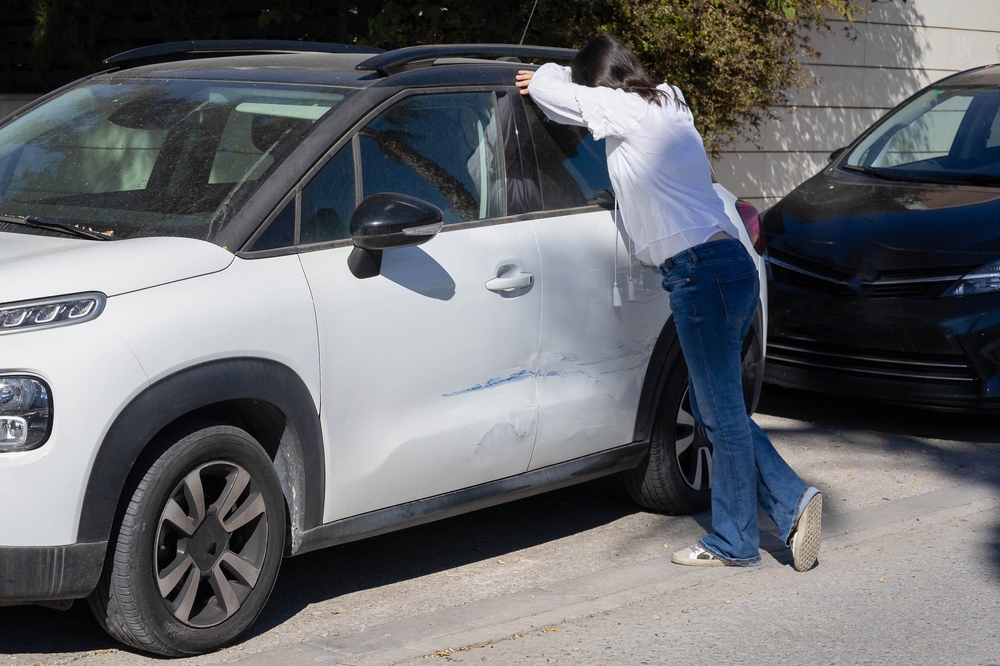
You’re visiting Florida and crashed your rental car….You came to Florida for sunshine, beaches, maybe a theme park, or a weekend getaway. You didn’t come to trade your flip-flops for a tow truck and an insurance adjuster, but here you are.
Rental car crashes happen every day, especially in high-traffic areas with unfamiliar roads, sudden rain, aggressive lane changes, and drivers who don’t realize the “exit only” lane becomes “surprise left turn now.”
If you’re visiting Florida and you get into a car accident in your rental, the next few hours matter. Not because you need to panic, but because it’s easy to make innocent mistakes that can cost you money, medical care, and, if you’re hurt, the ability to recover what you’re owed.
Here’s what I tell people to do, step by step, after a Florida rental car accident.
1) Get safe first, then get help
If you can move, get yourself and your passengers out of danger. Florida roads can be chaotic, and a minor crash can turn into a major one if another driver hits you while you’re stopped.
Call 911 if:
- anyone is hurt (even “just sore”)
- airbags deployed
- Cars are blocking lanes
- the other driver is acting impaired, aggressive, or won’t cooperate
Even if the crash feels “small,” a police response can make a big difference later when stories change.
2) Don’t “tough it out” medically
Vacation adrenaline is real. People walk around Disney or South Beach feeling “fine,” then wake up the next morning barely able to turn their neck.
If you have pain, dizziness, headaches, numbness, or you simply feel off, get checked out. Go to urgent care or an ER if needed. If it’s a serious crash, get evaluated right away.
This isn’t about being dramatic. It’s about protecting your health and creating a medical record that connects your injuries to the crash.
3) Take photos like you’re documenting a hurricane
In a rental car accident, photos are your best witness—because the rental gets returned, repaired, and disappears.
Use your phone and capture:
- all vehicle damage (your rental and the other car)
- wide shots showing the scene and lane positions
- skid marks, debris, road signs, traffic lights
- license plates
- the other driver’s insurance card and driver’s license
- any visible injuries (bruising can show up later—take follow-up photos too)
Our firm has also made a separate blog post with a simple checklist on what photo’s to take immediately following your accident. Checklist here.
If there were witnesses, ask for names and numbers. One neutral witness can stop an insurance company from playing “he said, she said.”
4) Be careful what you say at the scene
Be polite. Be calm. But don’t guess.
Avoid statements like:
- “I’m sorry” (it gets treated like an admission)
- “I didn’t see you” (even if you mean you didn’t see them until the last second)
- “I’m fine” (you don’t know that yet)
Just stick to facts with law enforcement. If you’re unsure, say you’re unsure.
5) Notify the rental car company (but don’t let them run the whole show)
Most rental agreements require you to report accidents promptly. Call the number they provide and follow their instructions about towing, exchanging the vehicle, and incident paperwork.
But here’s the catch: the rental company is focused on the vehicle and their contract—not on your injuries, your lost vacation time, or the insurance mess that follows.
Ask for:
- a copy of the incident report number or claim reference
- where the vehicle is being taken
- photos or documentation they want from you
- a copy of your rental agreement (keep it)
6) Figure out what insurance might apply (it’s often more than one layer)
Rental car accidents can be confusing because coverage may come from multiple places, including:
- Your personal auto insurance
Many policies extend to rentals, but the details vary (and some people don’t carry collision). - Your credit card benefits
Some credit cards provide rental coverage if you pay with the card and declined the rental company’s coverage. Often, this is damage to the rental car, not necessarily injuries. - The rental company’s optional coverage
This might include collision damage waiver (CDW/LDW), liability coverage, or personal accident coverage, depending on what you purchased. - The at-fault driver’s insurance
If another driver caused the crash, their bodily injury liability coverage may apply, especially important if you have injuries.
Florida’s rules can add extra twists, particularly if you’re from out of state and don’t have Florida-style coverage. That’s why it’s smart to have someone look at the full picture instead of guessing.
7) Don’t give a recorded statement until you understand what’s at stake
Soon after the crash, you may get calls from:
- the other driver’s insurer
- the rental company’s claims department
- your insurer
- sometimes multiple adjusters who all sound “nice” and “helpful.”
Recorded statements are not casual conversations. They’re designed to lock you into wording that can be used against you later, especially with injuries that evolve.
A safe rule: provide basic information (name, contact, location, vehicles involved), but be cautious about detailed recorded statements until you’ve gotten medical care and understand what coverage applies.
8) Watch out for the “vacation trap”: leaving Florida too soon
A lot of visitors fly home the next day. That’s understandable. But leaving can create problems if:
- you haven’t been medically evaluated
- you don’t have copies of reports and documents
- you haven’t preserved evidence
- you don’t know who is handling what claim
If you’re injured, it’s crucial to have a plan for follow-up care back home and to document it. Insurance companies love gaps. They treat them like excuses.
9) If you’re hurt or getting the runaround, call a lawyer sooner rather than later
Rental car cases can turn into a three-ring circus: rental company, your insurer, the other driver’s insurer, and maybe even a credit card benefit administrator, each pointing at the others.
When you call a lawyer, you’re not just paying for paperwork. You’re getting someone to:
- Identify every insurance layer that may apply
- Preserve evidence quickly (before the rental car is repaired)
- Handle communications with adjusters so you don’t get boxed in
- Document your injuries properly
- Calculate damages beyond the obvious medical bills (travel disruptions, future care, pain, limitations)
- Push back when the “friendly” tone turns into delay, denial, or blame
At Tucker Law, Our firm helps visitors and Florida residents navigate crashes like this every day. Keeping it practical, staying on top of the moving parts, and treat you like a person, not a claim number.
If you were visiting Florida and got into a rental car accident, call Tucker Law at 1-800-TUCKERWINS. Our firm will listen to what happened, explain your options in a way that’s easy to understand, and help you make a smart next move, especially if you’re hurt or being pulled in ten directions by claims departments.
Because the goal isn’t just getting the rental returned. The goal is making sure this crash doesn’t follow you home.