FOR ATTORNEYS / PLAINTIFF AND DEFENSE COUNSEL
Florida Federal Pro Hac Vice
& Local Counsel
Start with the right federal district. Florida’s admission and filing procedures are not uniform.
Tucker Law helps referring attorneys coordinate admission questions and define a local counsel role for federal patent, trademark, and copyright litigation.
Attorney inquiries: 954-204-0444
LET’S TALK
Connect with Local Counsel
Tell us the court, parties, and next deadline for a conflicts and availability check.
Please do not include confidential case details. An inquiry does not create an attorney-client relationship.
COMPARE THE THREE FLORIDA FEDERAL DISTRICTS
Which court is your case in?
| Federal district | Admission and local counsel | Filing context |
|---|---|---|
| Southern District of Florida IP Local Counsel | Rule 4(b) generally requires admitted co-counsel and a consenting designated district-bar member. | Pro hac vice permission does not itself provide CM/ECF filing authority. |
| Middle District of Florida IP Local Counsel | Special admission under Rule 2.01; the current rule does not state a blanket local-counsel designation requirement. | Follow the court’s sequence for the motion, fee, admission order, and e-filing registration. |
| Northern District of Florida IP Local Counsel | The court expressly states that local counsel is not required for pro hac vice admission. | Applicants follow the court’s tutorial and registration instructions before filing their own motion. |
Court materials reviewed September 19, 2026. Check current rules, instructions, and case-specific orders before filing. These are federal district-court procedures, not Florida state-court admission rules.
TUCKER LAW / FLORIDA FEDERAL IP LOCAL COUNSEL
One state. Three district-specific admission processes.
A DEFINED ROLE ON YOUR LITIGATION TEAM
Admission and local representation are related, but distinct.
A pro hac vice request seeks permission for an attorney to participate in a particular case. The required steps depend on the court and the lawyer’s eligibility; an engagement with local counsel does not itself grant admission.
We begin with the district, the applicant’s bar memberships, the case posture, and the next deadline. Court rules and instructions should be checked alongside any case-specific order before a motion is prepared.
HOW WE WORK WITH LEAD COUNSEL
Local counsel support for the work ahead.
Identify the court and applicant
Confirm the district, existing admissions, qualifying bar status, prior appearances where relevant, and the information needed for the applicable motion.
Coordinate the admission process
Review the current court materials, certifications, supporting records, submission route, and fee instructions. The court decides whether to grant the requested admission.
Define the continuing role
Agree on filing, service, appearances, scheduling, and communication responsibilities. Consider whether substantive IP support is also needed.
Electronic filing
Admission and e-filing access are separate steps in some districts. Confirm who can file, how notices will be received, and who is responsible for timely submission.
Court obligations
A private division of work does not eliminate counsel’s duties under the rules or the court’s orders. Build those obligations into the engagement.
Upcoming deadlines
Identify the next filing or hearing immediately. Admission processing and availability should be assessed before anyone promises a same-day appearance.
BEGIN WITH CONFLICTS, AVAILABILITY, AND SCOPE
A focused first conversation.
Tell us your firm, the parties, the federal district, the case number if available, and the next deadline. Please avoid confidential case details in the initial inquiry.
Lead counsel’s priorities
Identify who leads the case, the client’s position, and the tasks your firm wants covered.
Clear responsibilities
Agree on drafting, review, filing, appearances, communication, and fees before work begins. The arrangement must reflect counsel’s obligations to the court.
A practical handoff
Once the engagement is confirmed, coordinate access to the docket, operative pleadings, current orders, and relevant records through an appropriate channel.
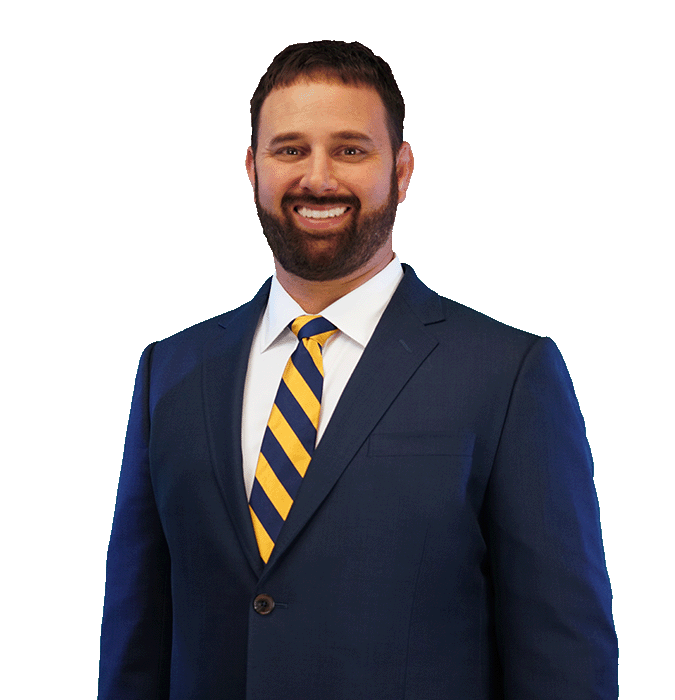
MEET YOUR FLORIDA LOCAL COUNSEL
Legal judgment.
An engineer’s perspective.
Matthew Sean Tucker
Matthew is a registered patent attorney and an electrical engineer. He is admitted to the U.S. District Courts for the Southern, Middle, and Northern Districts of Florida.
Tucker Law has repeatedly served as Florida local counsel for out-of-state firms representing IP plaintiffs and defendants.
COUNSEL TO COUNSEL
Local counsel questions.
Does Florida state-court pro hac vice admission cover federal court?
No. This page concerns the three federal district courts in Florida. Each district has its own admission requirements; a different court requires a separate analysis.
Is local counsel required in every Florida federal district?
No. The requirements differ. The comparison above identifies the Southern District’s designated-counsel process, the Middle District’s special-admission framework, and the Northern District’s express statement that local counsel is not required.
Will Tucker Law guarantee approval or a processing time?
No. Admission is a court decision. We can discuss the current procedure, needed information, and available assistance after a conflicts and availability review.
Official court resources: Southern District admission guidance · Middle District Rule 2.01 · Northern District attorney information.
FEDERAL COURTS / IP LITIGATION / ADMISSION
Find the local counsel support your firm needs.
YOUR FIRM’S FLORIDA IP LOCAL COUNSEL
Let’s discuss your Florida matter.
For attorneys representing plaintiffs or defendants in federal intellectual property litigation.