Tucker Law Footer Image
Call 1-800-TUCKERWINS

Why does my business name keep getting ‘taken’ on every platform?

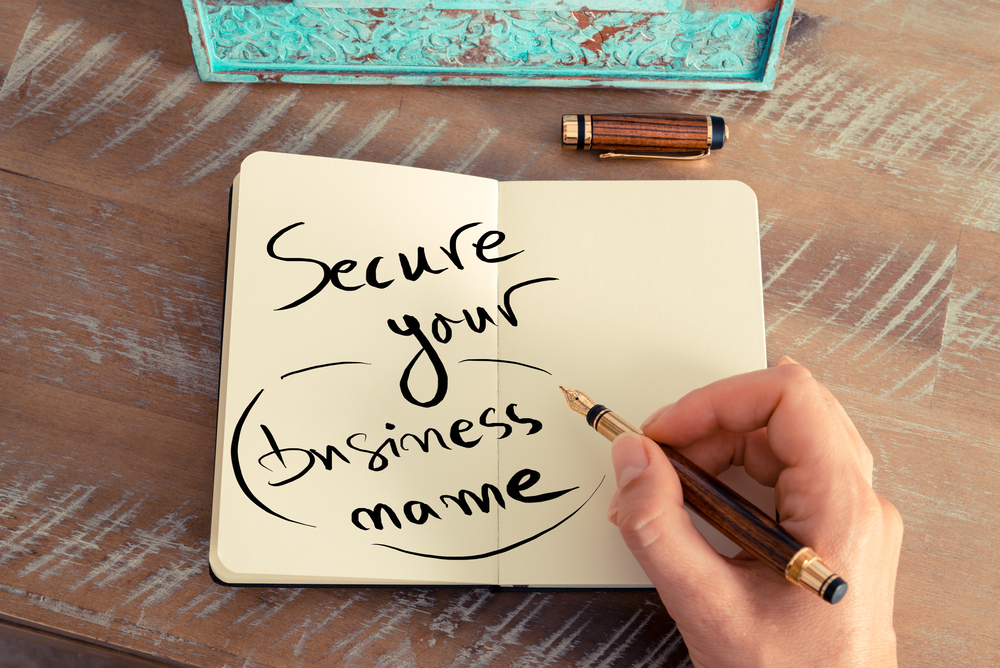
You finally land on the perfect business name. It fits your vibe. You can already see it on a sign, a website, and a hoodie. Then you try to claim it online... Instagram: taken. TikTok: taken. YouTube: taken. The domain: taken. Even the Gmail address is some random combination of your name plus 47 underscores. Now you're wondering, "Why does My Business Name Keep Getting 'Taken' on Every Platform"? If this has happened to you, you’re not alone. And it doesn’t necessarily mean you picked a “bad” name. It just means you bumped into a modern reality: the internet is crowded, and naming is no longer just a creative decision—it’s a clearance decision. Let’s talk about why it keeps happening, what actually matters legally, and how to stop stepping on landmines before you spend money on logos, wraps, menus, packaging, and marketing. Why everything is “taken” now (and why it feels personal): Think of business names like license plates. There are only so many short, catchy combinations that are easy to spell, easy to remember, and look good in a profile bio. The platforms are also global. Someone in another state—or another country—can “own” the handle even if they’ve never opened a real business. Sometimes they’re using it. Sometimes they grabbed it and forgot about it. Sometimes they’re holding it like digital real estate. So yes, your name might be “available” in your town, but “taken” online in five different places. Important: A taken username is not the same thing as a protected trademark This is where people get tripped up. A social media handle is basically a platform’s username system. It’s not a legal ruling on who has rights to the name. Platforms usually [...]

My friend and I invented this together… who owns what?

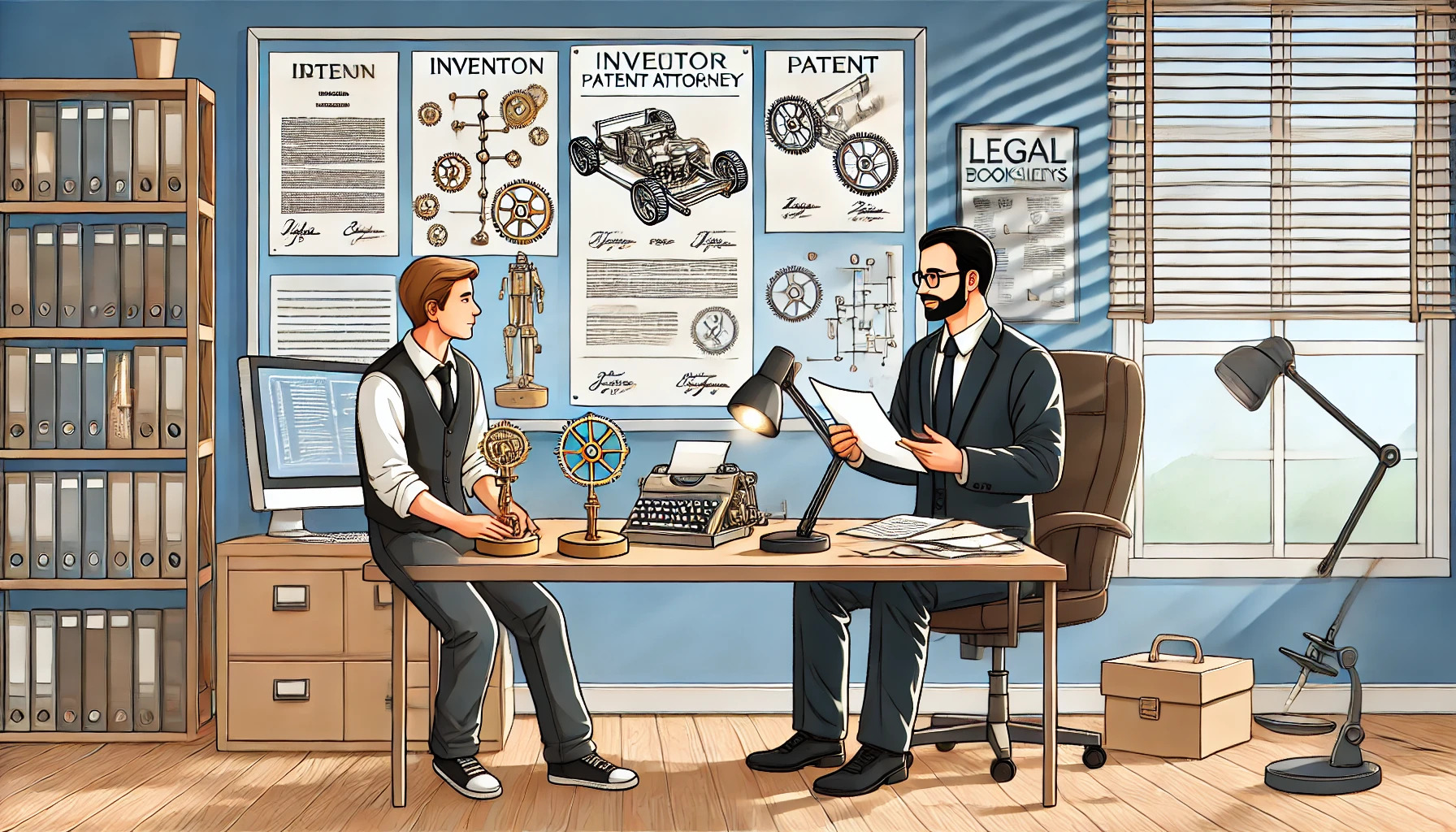
If you’ve ever built something with a friend, whether it’s an app, a product, a process, a “why doesn’t this exist yet?” solution—you already know the vibe. It starts with energy, late-night texts, and a shared “we’re onto something,” but then, as you get into the logistics of things, you begin to search, "My friend and I invented this together...who owns what?" Then the uncomfortable question shows up: “Are we both co-owners? How does this work?" That’s not a rude question. It’s the grown-up question. And asking it early is how you keep a good partnership from turning into a lawsuit with receipts, or a falling out later down the line. How ownership really works when two people create something together: Inventor vs. owner: they’re not the same thing This is the part that surprises people. Allow our firm to break it down for you in a way that's simplified. An inventor is the person who contributed the inventive idea—the “new” part that makes it patentable. An owner is the person or company that holds the rights to the invention (usually through an assignment agreement). In the U.S., patents must list the true inventors. You can’t “thank” your friend by listing them as an inventor if they didn’t actually contribute to the invention. And you can’t cut someone out just because you’re mad, or you paid for materials, or you came up with the name. But even if you’re correctly listed as an inventor, ownership can still be transferred—often to a company, investor, or another person—if you sign an assignment (contract). That’s why paperwork matters. What counts as a “joint inventor”:Not everyone who helped is automatically a joint inventor. Examples of contributions that often do [...]

Someone Copied My Logo Colors and Style…Can They?

You picked your colors on purpose. Maybe it took weeks of tweaks to get the shade “just right.” You chose a font that felt like your brand. You built a website, packaging, or Instagram grid that looks like you. Until, a few days, weeks, months, later, you find yourself googling, "someone copied my logo colors and style…Can they?" The truth is... Sometimes yes. Sometimes no. And the difference usually comes down to one concept most business owners haven’t heard of until it happens to them, which is called trade dress. Trade dress is the overall look and feel of a brand that signals to customers where something comes from. It can include things like: color schemes used consistently in your branding or packaging the layout of a product label or box the “getup” of a restaurant (decor, menu style, uniforms) the design of a website or app interface when it functions like branding the overall presentation of a product that customers recognize as “yours.” Think of trade dress like this: your logo is your face. Your trade dress is your outfit, your haircut, your voice, and the way you walk into a room. If a competitor copies enough of that overall presentation, the law may treat it as brand infringement even if the logo is technically different. “But they didn’t copy it exactly…” — why “close enough” can still be illegal. A common myth is: “If I change it 20% it’s fine,” or “If it’s not identical, I’m safe.” Unfortunately, that’s not how these cases are evaluated. The legal question usually becomes: Will consumers likely be confused about whether the products or services come from the same source? Trade dress claims typically focus on: the [...]

Did I Just Ruin My Invention by Talking About It? A Patent Attorney’s Guide to Public Disclosure in the U.S.

If you’ve ever walked out of a pitch meeting and felt your stomach drop, thinking, "Did I just ruin my invention by talking about it?" after showing someone your invention. Whether you neglected to, or simply did not think about having them sign an NDA…you’re not alone. As a U.S. patent and IP attorney, I hear versions of the same question all the time: “I talked about my invention… did I just ruin it?” Sometimes the answer is not necessarily. Other times, you may have started a clock you didn’t know existed. Patent law has a way of punishing good intentions. Even though you may be excited, proud, and careful in your own mind, you can still accidentally create legal problems just by sharing too much, too soon. Understanding "public Disclosure." Most people assume “public disclosure” means going viral online or holding a press conference, but in the U.S. patent law, it can be far more ordinary than that. Common examples: Pitching at startup competitions, demo days, or investor showcases Posting how it works on a website, YouTube, LinkedIn, TikTok, or a forum Sending a detailed deck to a company without a signed NDA Handing out brochures, sell sheets, or slides that reveal the core features Offering the invention for sale, taking deposits, or accepting pre-orders If the public can learn the key details of your invention, the law may treat that as a disclosure. The U.S. one-year grace period is supposed to be your safety net, not your plan! Here’s the U.S. rule many inventors don’t learn until they’re already in trouble: If you publicly disclose your invention, you generally have up to one year from that disclosure to file a U.S. patent application. [...]

Understanding the Value of Patent Attorneys

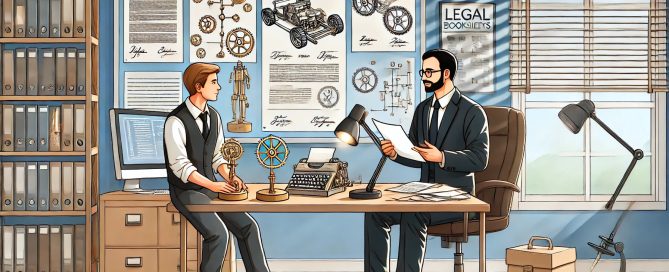
How Are Patent Attorneys Unique? Patent Attorneys are not your ordinary attorney.  Patent attorneys can practice in most of the other areas of law, but not every attorney can practice patent law.  In order to practice patent law, patent attorneys must have a degree in engineering or science.  This makes patent attorneys very unique but also very qualified to help protect technology. Typically, patent attorneys with engineering degrees draft patents for mechanical and electrical devices and methods, whereas patent attorneys with science degrees draft pharmaceutical based patents, such as new medicines or other compositions of matter. In addition to taking at least one state bar, patent attorneys take the patent bar.  The patent bar is difficult having a historical passage rate of approximately 48%.  Think about it this way: less than half of the people that have studied for the patent bar will actually pass.  This low passage rate speaks to the difficulty of the patent law.  It also highlights why hiring a knowledgeable patent attorney is so vital. Why Hire a Patent Attorney? If it is worth patenting, then it is worth spending the money to hire an attorney.  If your goal is to seek a license, most businesses will take your invention more seriously when you hire a patent attorney, at least because the businesses know that the patent they are paying a license for was drafted properly.  When inventors file their own applications, the applications are littered with errors.  Many of these errors would invalidate the patent should it ever be enforced in litigation. What do Patent Attorneys Do? Perform Patent Searches Provide patentability opinions Prepare nondisclosure agreements Prepare and record patent assignments Draft and file patents before the USPTO Enforce patent [...]

Go to Top