I Changed My Product After Launch. Is My Protection Still Any Good?

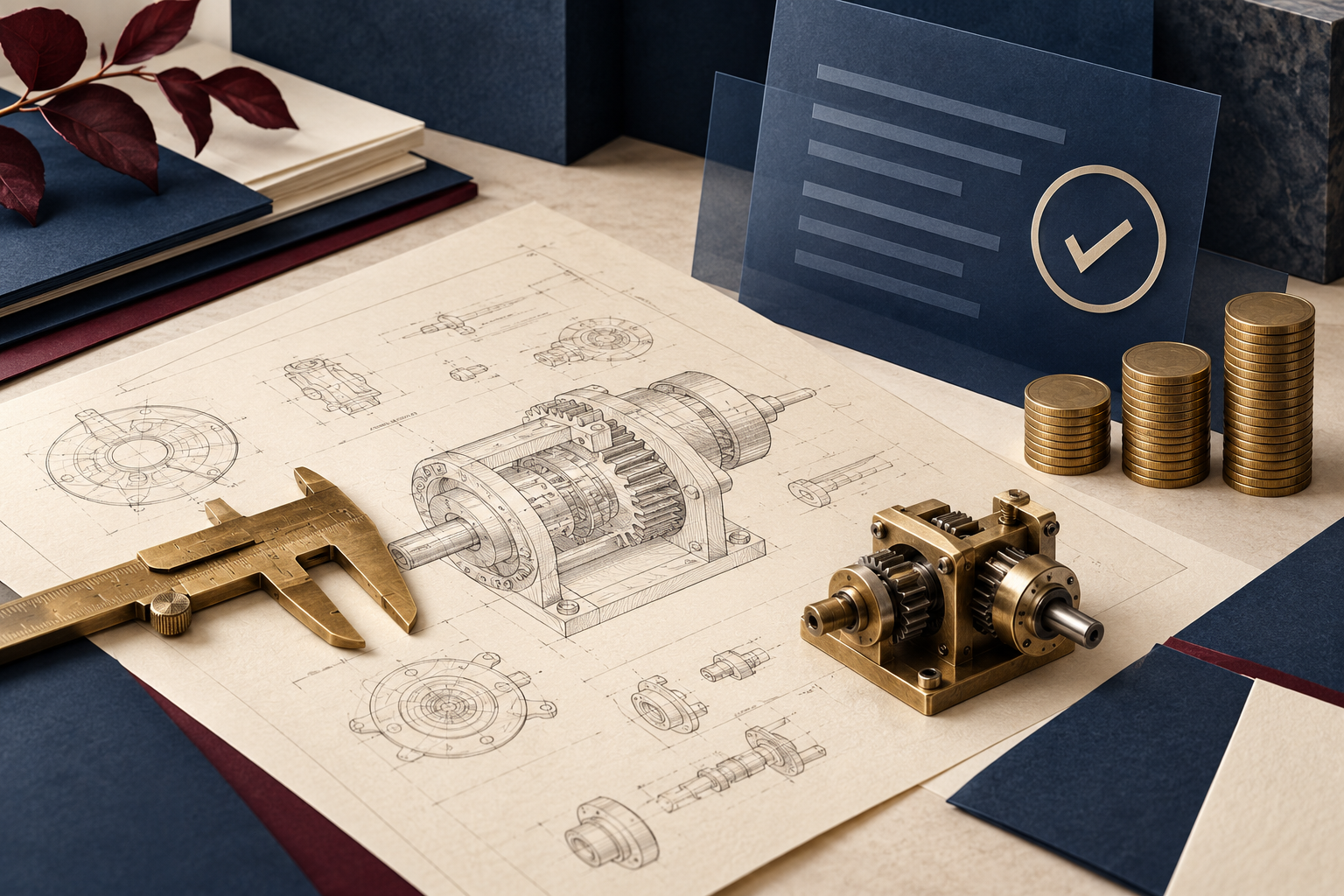
If you’ve ever launched a product, you know the truth: the “final” version is rarely final. Maybe customers loved your idea but kept asking for one feature. Maybe your first supplier forced you to tweak the design. You may have discovered a better material, a safer latch, a stronger bracket, a faster workflow. Whatever the reason, you improved the product after launch, and now you’re wondering: "I Changed My Product After Launch. Is My Protection Still Any Good?" You’re not alone. I hear this question from business owners and inventors all the time, and it’s a smart one to ask early. Because in intellectual property, small changes can be either no big deal… or the difference between “protected” and “exposed.” Let’s break it down in simple terms. Why “Protection” Can Mean Different Things When people say “protection,” they usually mean one (or more) of these: Patent protection (for how it works, how it’s built, how it’s used) Trademark protection (for your brand name, logo, slogan) Copyright protection (for original creative content like photos, packaging artwork, manuals) Trade secret protection (for formulas, processes, vendor lists, internal know-how) Changing a product impacts each one differently, but patents are usually where the confusion—and risk—shows up. Think of IP Like a Fence Around Your Property Imagine your original product is a house you just built, and your intellectual property is the fence around it. If you add a porch, you might still be inside your fence. But if you build a whole new wing off the side, part of your house may now be outside the fence line. That new part isn’t protected until the fence is moved. That’s what “product improvements” are like. Some changes are still covered [...]

My Etsy Shop Got Shut Down for “IP Violation” and I’m So Confused: What That Notice Really Means (and What to Do Next)

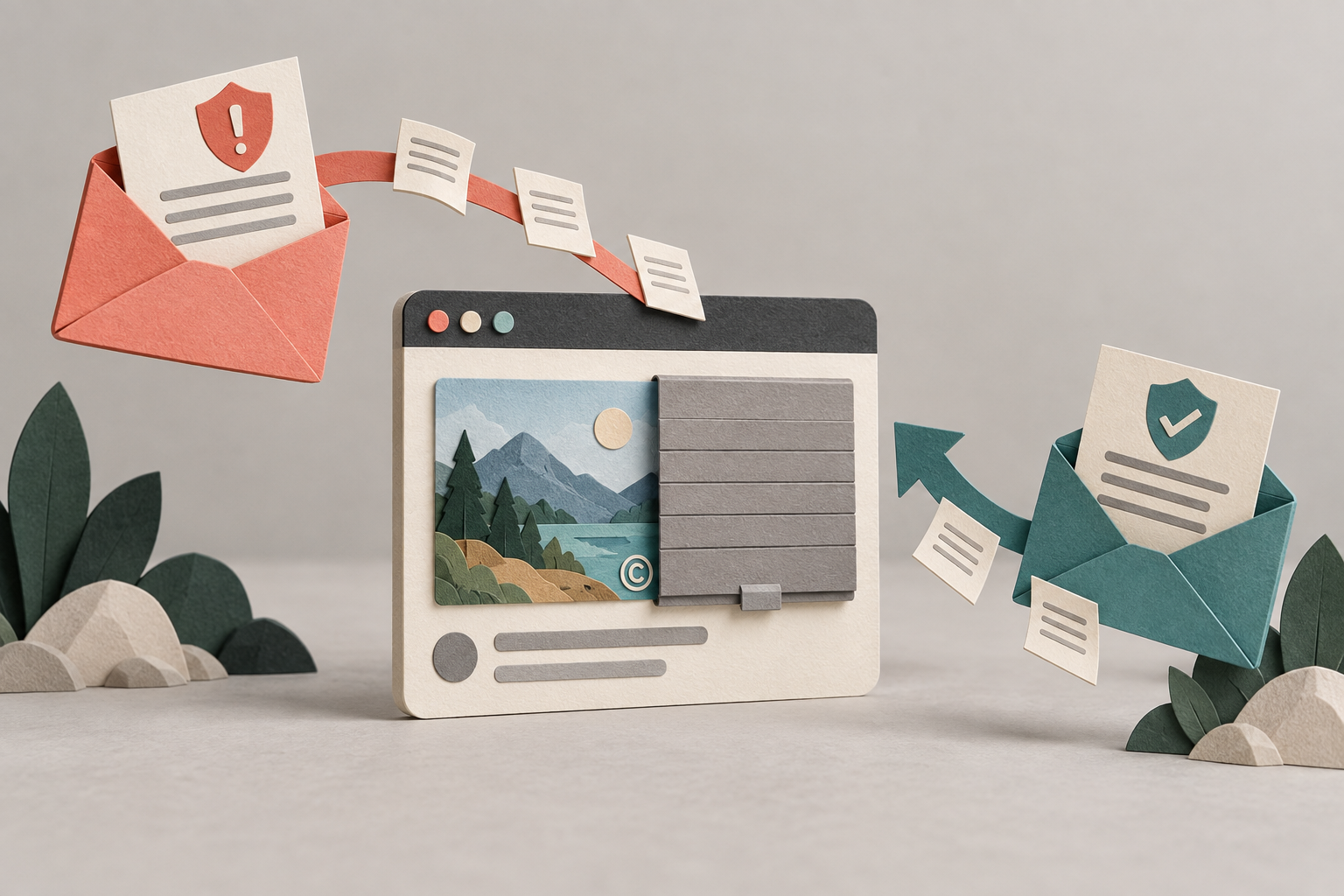
If you woke up to a message and now, "my Etsy shop got shut down" for “IP violation,” you’re not alone—and you’re not crazy for feeling blindsided. Etsy notices can be short, scary, and frustratingly vague. One day you’re packaging orders, the next day your listings are gone, and your income is on pause. Here’s the tricky part: “IP violation” is an umbrella term. It can mean counterfeit goods. It can mean trademark confusion. It can mean a copyright complaint about a photo, a design, or even a few words in a listing. And it can also mean a competitor (or a brand owner) filed a complaint, and Etsy acted quickly—often before you’ve had a real chance to explain yourself. Let’s break down what’s happening in plain English and what steps usually help. Why Etsy Moves So Fast on IP Complaints Online marketplaces are like landlords with strict house rules. Etsy wants to avoid being in the middle of a legal fight, so when a rights holder complains, Etsy frequently takes the safer route: remove the listing, restrict the shop, or suspend the account. They’re not “deciding the case” the way a judge would. They’re managing risk. That’s why the notice might feel unfair. Etsy isn’t saying you’re definitely guilty. They’re saying: “We got a complaint and we’re not hosting this until it’s resolved.” Counterfeit vs. Confusion: Two Very Different Problems Most people hear “IP violation” and assume they’re being accused of selling a fake. Sometimes that’s true—but often it isn’t. 1) Counterfeit Counterfeit usually means someone believes you’re selling something pretending to be the real brand—like a fake designer logo, a product labeled as authentic when it’s not, or packaging that mimics the original. [...]

Is My Idea Too Simple to Protect? Here’s the Truth (and What to Do Next)

“Is my idea too simple to protect?” Let me put it this way. A seatbelt is “simple.” A paperclip is “simple.” The button on your phone that silences it is “simple.” Simple doesn’t mean worthless—and it definitely doesn’t automatically mean unprotectable. The real question isn’t “Is it simple?” The real question is: What exactly is your idea, and how is it different from what already exists? Because in intellectual property, the difference between “too simple” and “protectable” often comes down to details you can explain in a few sentences… but those details have to be handled the right way. What “too simple” usually means (and what it doesn’t) When people say “too simple,” they usually mean one of these: It’s a concept, not a working solution. Example: “A water bottle that stays cold longer.” That’s a goal. Goals aren’t protectable by themselves. But a specific structure or method that keeps it cold longer might be. It’s an obvious tweak. Example: “I’ll take this product and make it slightly bigger.” If it’s just a predictable change that any reasonable person would do, it’s harder to protect with a patent. Someone already did it. This is the big one. Your idea can be brilliant, simple, and useful—yet still not protectable if it’s already out there in public products, patents, videos, blog posts, or even obscure catalogs. But here’s what “too simple” does NOT mean: It does not mean you should give up. It does not mean you should post about it online to “see what people think.” And it does not mean you’re stuck with zero options. Patents: simple can still be protectable, but you need the right kind of “simple.” A patent doesn’t protect a vibe. [...]

How Do I Tell If My Idea Is Already Patented Without Spending a Fortune?

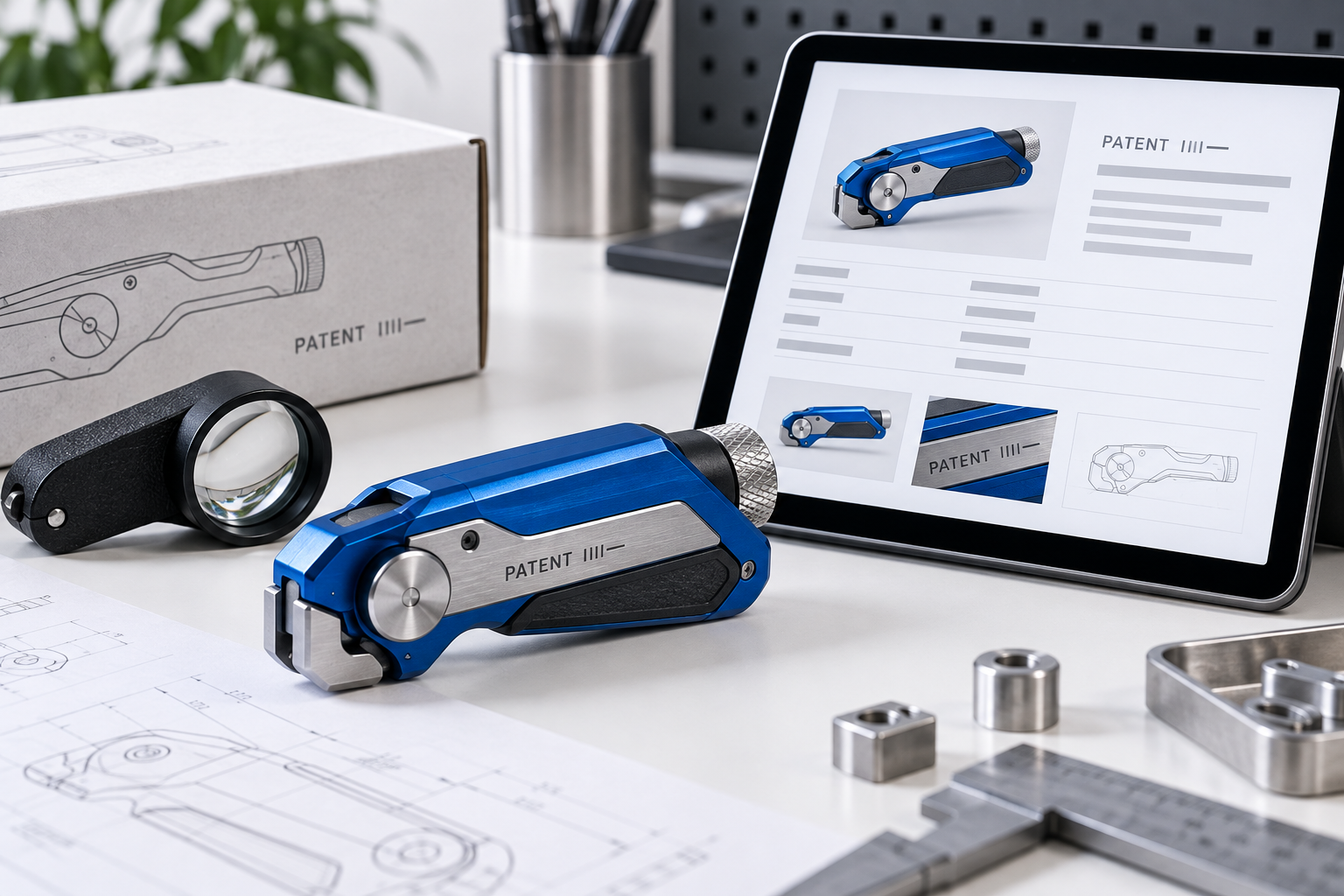
If you’ve got an idea that keeps you up at night (in a good way), you’re not alone. We talk to inventors and small business owners all the time who feel the same mix of excitement and anxiety. Now you're wondering, "How do I tell if my idea is already patented without spending a fortune?" Here’s the good news: you can do a meaningful “first pass” patent check without spending a fortune. The key is knowing what a DIY search can tell you, what it can’t, and when it’s time to bring in professional help before you sink money into prototypes, packaging, or marketing. First: What a Patent Actually Covers and What It Doesn’t: A patent generally protects how something works, how it’s made, or how it’s designed. That means: Utility patents usually cover functional inventions, the “how it works” part. Design patents cover ornamental appearance, the “how it looks” part. A patent does not automatically cover: A brand name (that’s usually trademark territory). A general “concept” or vague idea. Patents are about specific claims describing an invention in detail. So when you search, you’re not just looking for “my idea.” You’re looking for something close enough in the details that it could block you from getting a patent—or create risk if you move forward commercially. Think of it like buying a house. You don’t just ask, “Does anyone own a house on this street?” You check the exact address and the title history. Patents are similar: the devil is in the specifics. Step 1: Describe Your Invention Like a Stranger Would Before you search anything, write out a simple description: What problem does it solve? What are the main parts/components? How does it work [...]

I Got a Scary Letter Saying my Brand Name is ‘infringing.’ Now what?

You're having a regular Tuesday morning, you have a great day scheduled for your brand, and as you go out to the mail, but as you come in, you call your business partner and say," I got a scary letter saying my brand name is 'infringing". Now what?" Your stomach drops, and you don't know what to do next. It demands that you stop using your business name. It might threaten a lawsuit. Sometimes it even sets a short deadline, as you’ve already been tried and convicted. First: take a breath. A cease & desist letter is serious, but it is not a court order. It’s a claim. And how you respond in the next few days can protect (or accidentally damage) your position. Here’s what I give people when they call Tucker Law after getting one of these letters. 1) Don’t ignore it—but don’t panic-respond either Ignoring a cease & desist letter can be risky because the other side may use your silence as a reason to escalate. But firing off a quick emotional email at 11:30 p.m. can be just as risky. Think of it like getting a demand letter after a fender-bender: you don’t admit fault on the spot, and you don’t toss it in the trash. You gather facts, protect evidence, and respond strategically. 2) What not to do (this is where people accidentally hurt themselves) If you do nothing else, avoid these common mistakes: Don’t admit infringement or apologize “to keep the peace.” Even a polite “I didn’t realize I was infringing, sorry!” can be used against you later. Don’t promise to stop using the name before you know your options. Once you take the name down, change listings, or [...]

Go to Top