I built something cool at home…but my company says it’s theirs.. Now What?

You finally did it. After work, on weekends, and in those “just one more hour” late nights, you built something genuinely cool at home, a new product design, an app, a device, a process, a logo/brand concept, maybe even a whole side business. Now you hear yourself saying, "I built something cool at home...but my company says it's theirs." That moment is a gut punch. It feels personal. And it can get messy fast—because in many cases, the answer isn’t as simple as “I made it at home, so it’s mine.” Let’s talk about how these disputes really work, what matters, and what you should do next if your company is claiming ownership over your side project. Why your company might claim your side project: Most people assume ownership is obvious: you built it on your couch, on your own laptop, on your own time. But employers often rely on paperwork you signed—sometimes years ago, during onboarding, saying that inventions or creative work related to the company’s business belong to the company. These are commonly called: invention assignment agreements IP assignment clauses proprietary rights agreements confidentiality agreements with “inventions” language And here’s the key: many of them are written broadly on purpose. Some basically try to scoop up anything you create while employed, whether you built it at home or not. Think of it like a fishing net. Some employers use a reasonable net size for “work-related inventions.” Others toss a net so wide it drags half the ocean. The “big factors” that decide who owns what Every case is fact-specific, but these are the issues that usually matter most: 1) What did you sign? This is ground zero. The contract language controls a lot. [...]

Do I Own My Logo If I Paid a Designer? What “Work-for-Hire” Really Means

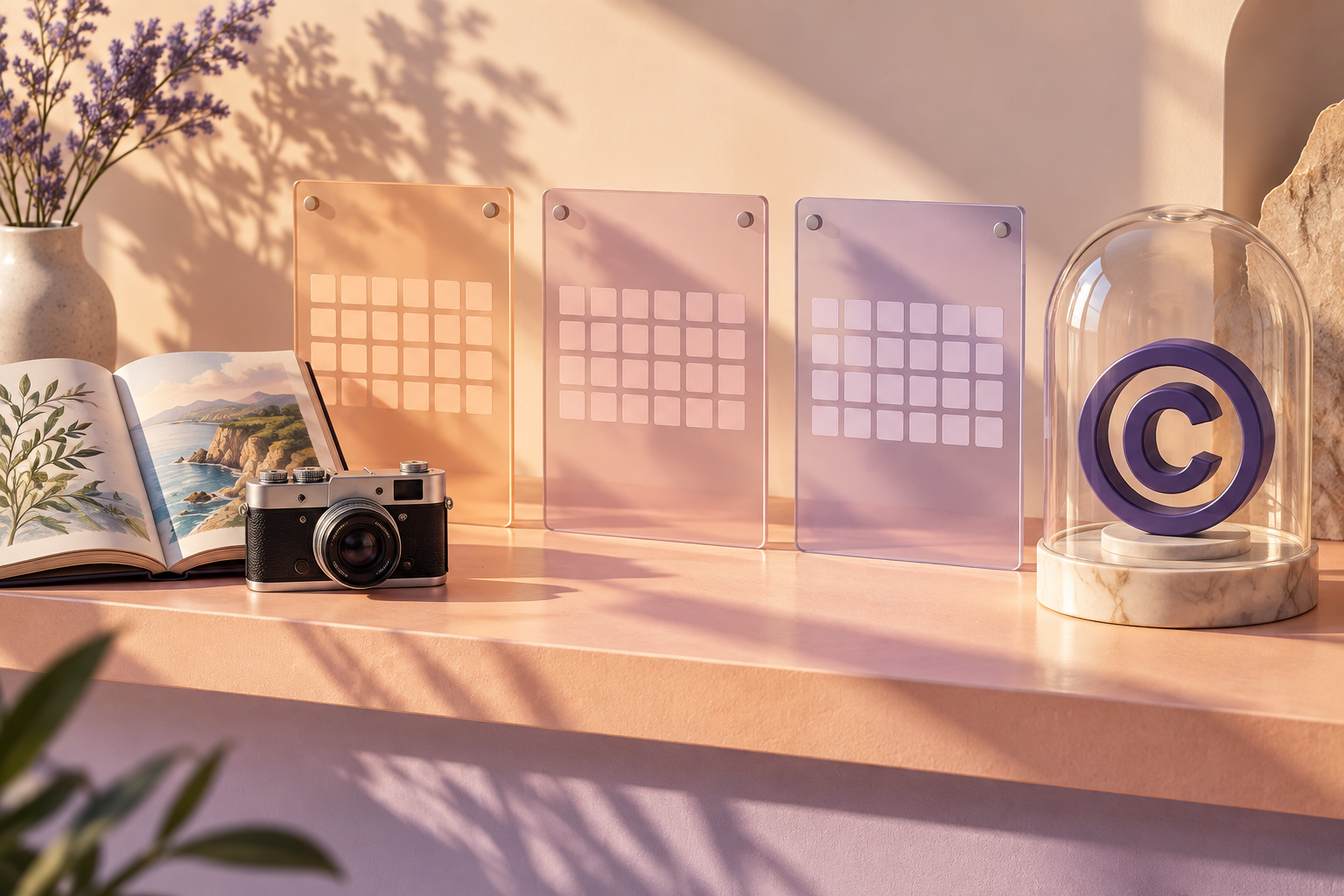
You paid a designer for your logo, and now you're wondering about the IP rights: " Do I own my logo if I paid a designer?" Maybe. And that “maybe” surprises a lot of business owners. I’ve had more than a few calls that start like this: “We paid for our logo years ago, now the designer is upset we’re using it,” or “A new marketing company says we don’t actually own our logo files,” or “Someone else is using something really similar and we can’t prove anything.” Here’s the reality: paying for a logo and owning the copyright to a logo are not always the same thing. Why paying isn’t automatically ownership: Think of it like hiring a photographer for family portraits. You might pay for the session and receive copies of the photos, but that doesn’t automatically mean you own the copyright to the images (unless the contract says so). You’re often buying a license to use the work in certain ways, not the underlying ownership. Logos are usually protected by copyright law as original creative works (assuming they’re not just basic shapes or simple text). By default, the person who created the artwork is typically the one who owns the copyright, unless there’s a written agreement that transfers ownership to you. What “work-for-hire” actually means (and why it’s misunderstood) A lot of people hear “work-for-hire” and assume: “I hired them, so it’s for hire, so I own it.” Not exactly. “Work made for hire” is a specific legal concept. For most independent contractors, like freelance logo designers, work-for-hire generally does not apply unless there is a written agreement saying the work is “work made for hire,” and even then, the rules can [...]

What If My Product Is Already on the Market and Now I Want Protection?

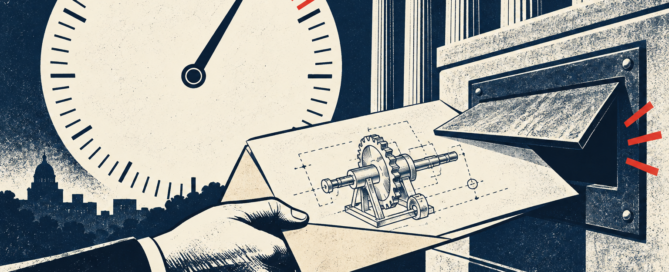
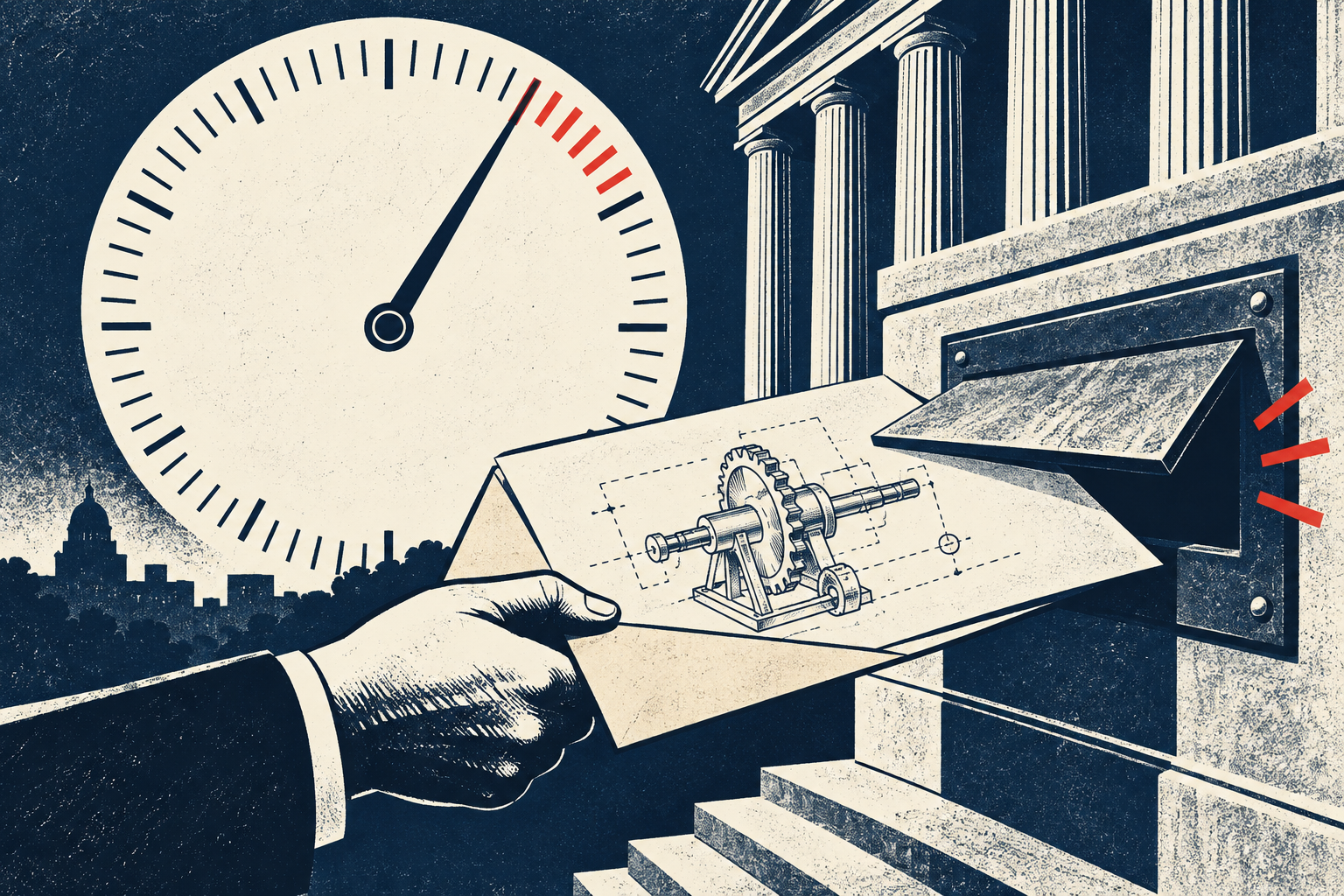
You built the thing. You launched it. You sold a few (or a few thousand). Maybe you’re finally getting traction, and then the cold splash of reality hits: "What if my product is already on the market and now I want protection?" First, take a breath. In the real world, lots of people look into protection after they’ve already gone to market. Sometimes you still have options. Sometimes the window is narrower than people think. And sometimes the “right” protection isn’t a patent at all. Let’s walk through the basics in plain English—because the rules here can feel like a maze with moving walls. Think of “protection” as a toolbox, not a single lock When people say “I want to protect my product,” they could mean a few different things: Patents protect how something works (utility patents) or how it looks (design patents). Trademarks protect your brand—your name, logo, packaging look, and sometimes slogans. Copyright protects original creative content (like product photos, instructions, website copy, videos). Trade secrets protect valuable information you keep secret (formulas, processes, vendor lists, methods). The right plan depends on what your “special sauce” actually is. A lot of frustration comes from trying to force a patent solution onto a branding problem—or trying to trademark something that’s really just a product feature. The big patent issue: public sales and public disclosure Here’s the concept that surprises people: with patents, timing matters—sometimes more than the invention itself. In the U.S., selling your product, offering it for sale, showing it at a trade show, posting it online, sending it to influencers, or describing it publicly can start a clock. There are rules (including what’s often called the “on-sale bar”) that can prevent you [...]

My Amazon Listing Disappeared After a Brand Complaint: What It Means, What to Do Next, and How to Protect Your Business

"My Amazon listing disappeared after a brand complaint." No warning. No gradual drop. Just disappeared, as it fell through a trap door. And then you see the words every seller dreads: “Removed due to an intellectual property (IP) complaint” or “brand complaint.” If you’re feeling panicked, you’re not alone. I’ve talked to plenty of business owners who describe it like this: “It feels like getting pulled over, but nobody tells you what you did.” The good news is that a disappeared listing doesn’t automatically mean you did something “shady.” The bad news is that how you respond in the next 24–72 hours can make things better… or a whole lot worse. Here’s the plain-English breakdown of what’s happening, what steps to take, and why getting legal guidance can save you from costly mistakes. A brand complaint may involve: Trademark issues (brand name, logo, listing title/keywords, packaging) Copyright issues (product photos, A+ content, copywriting, manuals) Patent claims (utility or design patents—these can get complicated fast) Counterfeit allegations (even if your product is genuine) “Unauthorized seller” complaints (common when you resell authentic goods) Sometimes the complainant is right. Sometimes they’re overreaching. Sometimes it’s a competitor gaming the system. The point is: Amazon’s process is fast, and it’s paperwork-driven. First Things First: Don’t Panic-Edit the Listing One of the biggest mistakes I see is the “panic fix.” Sellers start editing titles, swapping photos, rewriting copy, and re-uploading… hoping the listing pops back up. That can backfire. Why? Because: Amazon may treat changes as an admission that you were infringing. You can accidentally create new violations (even if the old one was debatable). You might destroy the very evidence you need to prove your product is legitimate. Instead, pause [...]

What’s the Worst That Can Happen If I Ignore This Trademark Issue?

If you’re running a business, building a brand, or even just selling a product online, a “trademark issue” can feel like background noise, until it’s not. If you're sitting there wondering, "What's the worst that can happen if I ignore this Trademark issue?" You should have an understanding of the consequences that can come with it. Maybe you got a message from a platform saying your listing was removed. Maybe a competitor sent a cease and desist letter. Maybe you found out someone else filed for “your” name. Or maybe you’re thinking, I’ll deal with it later, right now I’m busy, and this feels like lawyer stuff. I get it. But ignoring a trademark problem is a little like ignoring a flashing check-engine light because the car still drives. You might make it down the road… or you might end up on the shoulder with smoke coming out of the hood. Let’s talk about what can actually happen if you do nothing: 1) The “small problem” becomes a court problem Trademark disputes don’t always start in a courtroom. They often start with a letter or an email. But if the other side believes you’re infringing—or they want to make an example out of someone—they may escalate. And here’s the part people don’t realize: silence can be interpreted as defiance. If you ignore a cease and desist. The other side may assume you’re not taking it seriously and decide the only way to get your attention is a lawsuit. Even if you believe you’re right, defending a lawsuit costs time, money, stress, and distraction from your business. It’s the legal version of letting a leaky pipe turn into water damage. 2) You can get forced into [...]

Go to Top