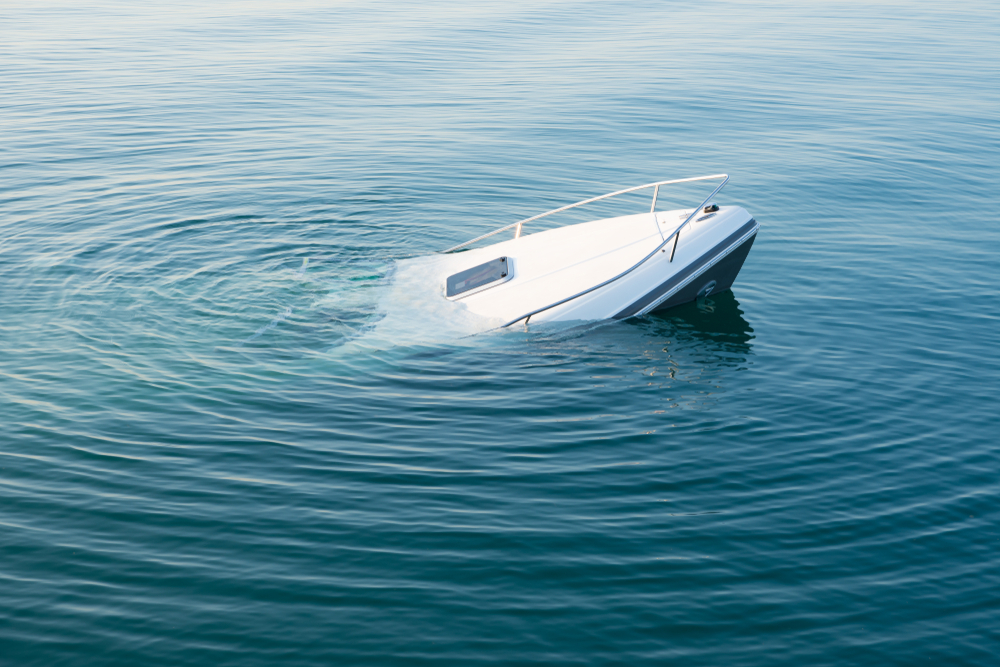
Boating Injury in Florida: What You Should Do in the First 24 Hours

Florida water is beautiful, until something goes wrong. A sudden wake, a careless operator, a rental boat with mechanical issues, or a “we’re just having fun” moment that turns into an emergency. Then you find yourself searching, "Boating injury in Florida: What You Should Do in the First 24 Hours." If you or someone you love is hurt on the water, the first 24 hours matter. Not because you’re “building a case” while you’re bleeding, but because the steps you take now can protect your health and prevent the other side from rewriting what happened later. Here’s what I tell people to focus on in that first day. 1) Get to safety and call for help early on, not later. Your first job is survival, not documentation. Get everyone to a safe spot. If there’s a risk of sinking, fire, or severe injury, call 911 and/or the Coast Guard immediately. A lot of folks hesitate because they don’t want to “cause trouble.” On the water, waiting can turn a manageable injury into a dangerous one. Also, official help creates a timeline. In injury claims, timelines matter. 2) Seek medical care the same day, even if you think you’re “fine.” Boating injuries are notorious for delayed symptoms. The body masks pain when you’re stressed. Then later, sometimes that night, your neck locks up, your ribs ache when you breathe, or you realize your head doesn’t feel right. Common boating-related injuries our firm has seen include: Head injuries and concussions from impacts or falls Broken bones and deep bruising from hitting rails, seats, or the deck Propeller injuries (these are emergencies—treat them like it) Back/neck injuries from sudden jolts Lacerations and infections (water + open wounds = [...]
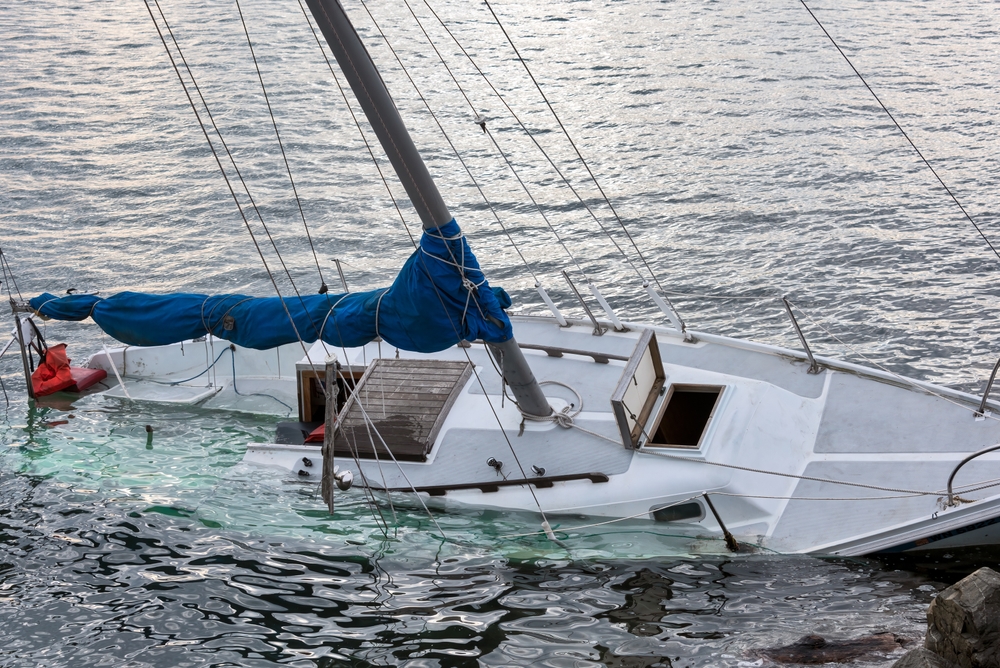
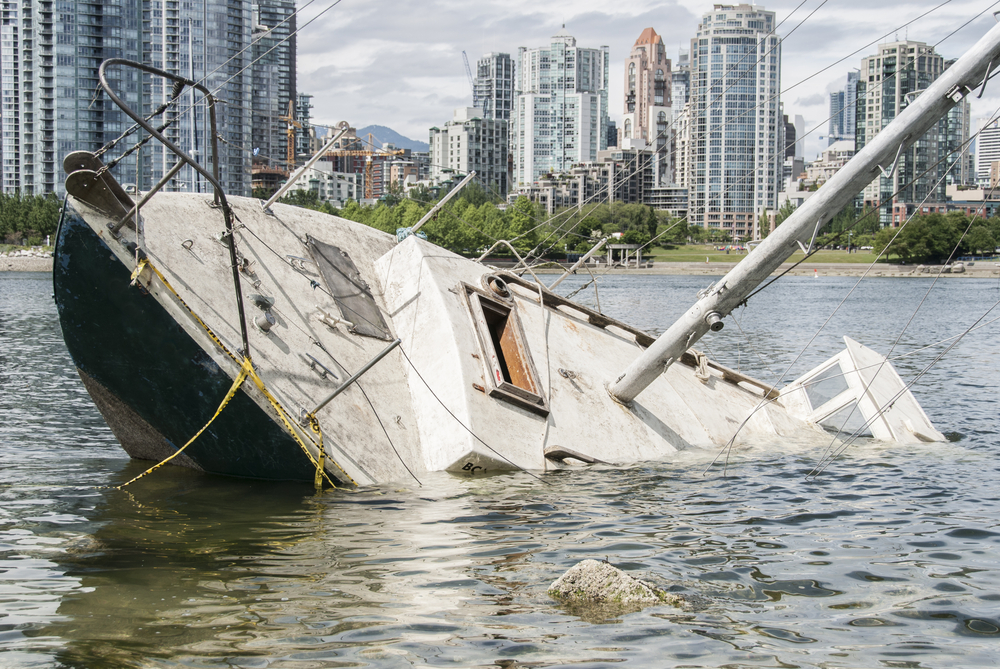
Crashing a Rental Boat in Florida: What to Do Next (and What Not to Say)

Crashing a rental boat in Florida can feel extremely scary. You're on vacation with your friends and family, or you just wanted a day on the water! It's supposed to feel like a reset button. Sun, salt air, maybe a cooler and a playlist. Florida does that better than just about anywhere. But when a rental boat crash happens, the vibe changes in an instant. One minute you’re lining up to dock, the next you’re dealing with injuries, police reports, angry phone calls from the rental company, and that sinking feeling that you’re about to be blamed for everything. If you crashed a boat you rented in Florida, here’s the practical, real-world guide I’d give a friend: what to do immediately, what to avoid, and how liability usually works when rental agreements and insurance get involved. First: make sure everyone is safe (then think about fault later) In the first five minutes after a crash, don’t play detective. Play medic and safety officer. 1) Check for injuries and get help Call 911 if anyone is hurt, unconscious, bleeding heavily, or showing signs of head/neck injury. On the water, “we’re fine” can turn into “why can’t I move my arm?” fast—especially with adrenaline masking pain. 2) Prevent a second accident If you can do so safely: Turn off the engine if there’s a risk of fire or propeller injury Put on life jackets if anyone isn’t wearing one Move to a safer area if the boat is taking on water or you’re in a channel (but don’t abandon someone in the water to do it 3) Call for on-water assistance Depending on where you are, the U.S. Coast Guard, Florida Fish and Wildlife Conservation Commission (FWC), [...]

Boating Accidents in Florida and What to Do Next

Florida is built around water. Weekends on the Intracoastal, fishing trips offshore, sunset cruises, jet skis, sandbar days—boating is part of the lifestyle. But when something goes wrong on the water, it can go wrong fast. Here is a simple explanation of boating accidents in Florida and what to do next. The part most people don’t realize until they’re living it: a boating accident is not just “a car crash on water.” The injuries can be more severe, the liability is often more complicated, and the evidence can disappear quicker than you’d think (because tides, weather, and boats don’t exactly sit still). If you or someone you love was hurt in a Florida boating accident, here’s a practical, step-by-step guide on what to do and why having a lawyer involved early can make a real difference in both your recovery and your financial outcome. Florida is water. Intracoastal weekends. Sandbar days. Fishing trips. Jet skis buzzing around like they own the place. And then—one wake, one bad turn, one distracted operator, one “we’ve done this a thousand times”—and your day becomes an emergency. If you’ve been in a boating accident, you’re probably asking the same questions I hear all the time: Who’s responsible? Do I have to report this? What if I was a passenger and it was my friend driving? How do I pay these medical bills? And why does the insurance company sound friendly… but keep pushing me to “wrap it up”? Let’s walk through what to do next, step-by-step. why boating cases can turn into a blame game fast—unless you take the right steps early. Step one: safety and medical care come first I know this sounds obvious, but it’s where people [...]

Fort Lauderdale Boating Accidents: Common Causes and Liability Issues

Florida's alluring waterways are a well-known attraction, and Fort Lauderdale is a prime example. With its magnificent canals and attractive shorelines, it attracts numerous boating enthusiasts. However, with the high volume of boats on the water, accidents are inevitable. And not all injuries as sea are cruise ship injuries.  At Tucker Law, we're committed to assisting boating accident victims in understanding their rights and pursuing compensation for their injuries. In this blog post, we'll explore the typical causes of boating accidents in Fort Lauderdale and the responsibility concerns that may emerge. Typical Causes of Boating Accidents Operator Inexperience: A lack of experience or training often leads to boating accidents when novice operators take control. These individuals might not be familiar with waterway regulations, resulting in collisions or other incidents. Alcohol Consumption: Operating a boat under the influence of alcohol is a significant factor in water accidents. Alcohol can impair judgment, reaction time, and balance, increasing the likelihood of collisions or capsizing. Speeding: Traveling at excessive speeds is another frequent cause of boating accidents. High speeds make it challenging to react quickly to changing circumstances and can lead to collisions or grounding. Equipment Failure: Regular maintenance is necessary to ensure boats remain safe and operational. Equipment failure, such as engine malfunctions or steering issues, can result in accidents if not addressed promptly. Weather Conditions: Inclement weather, including heavy rain, strong winds, or fog, can contribute to boating accidents by reducing visibility and making navigation more challenging. Responsibility Concerns in Boating Accidents Determining responsibility in a boating accident can be intricate. Here are some crucial factors to consider: Negligence: It's possible that one or more parties may be found negligent in a boating accident. This could include [...]

Go to Top