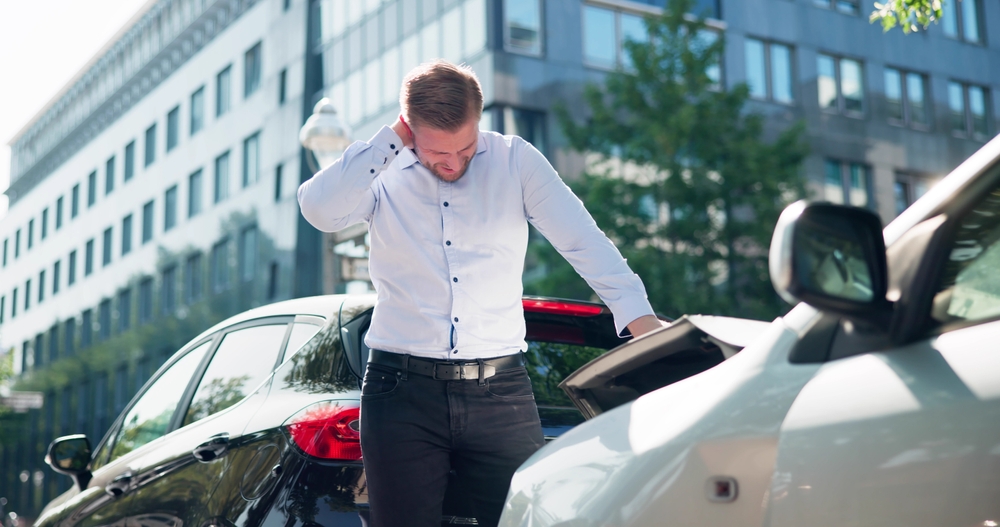
Visiting Florida and Crashed Your Rental Car? Here’s What to Do Next (Without Making It Worse)

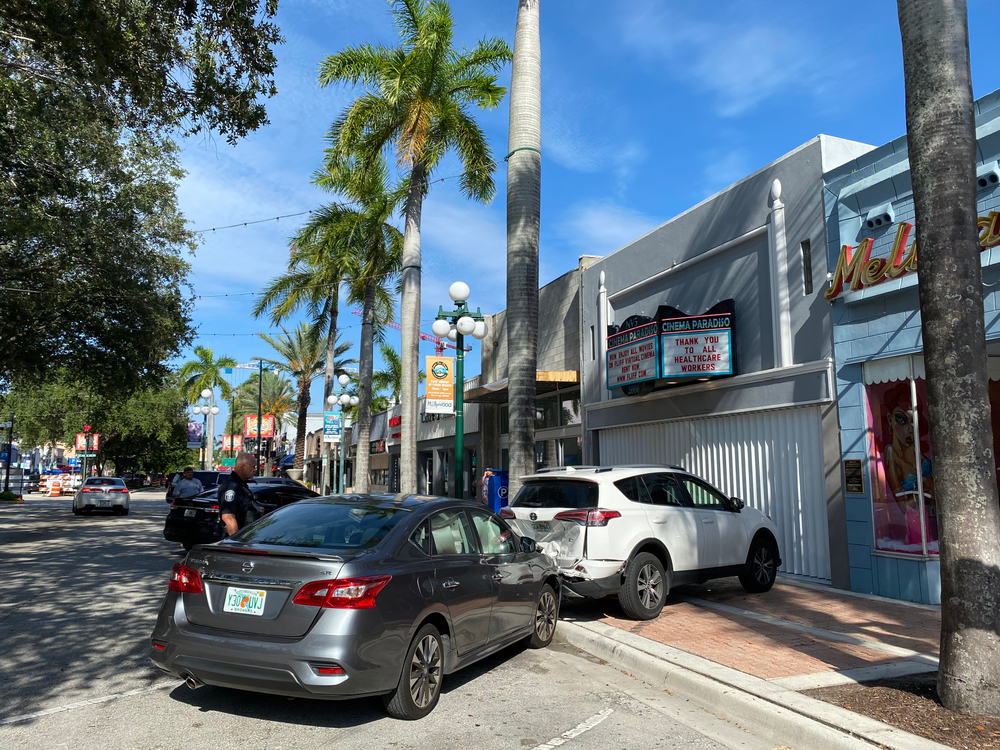
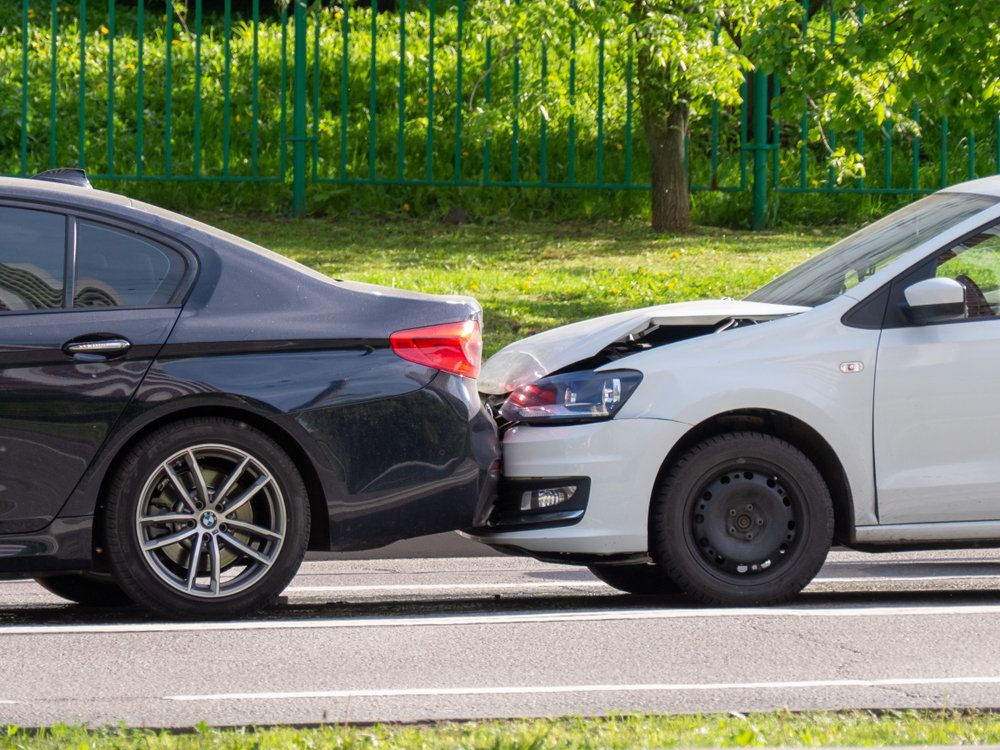
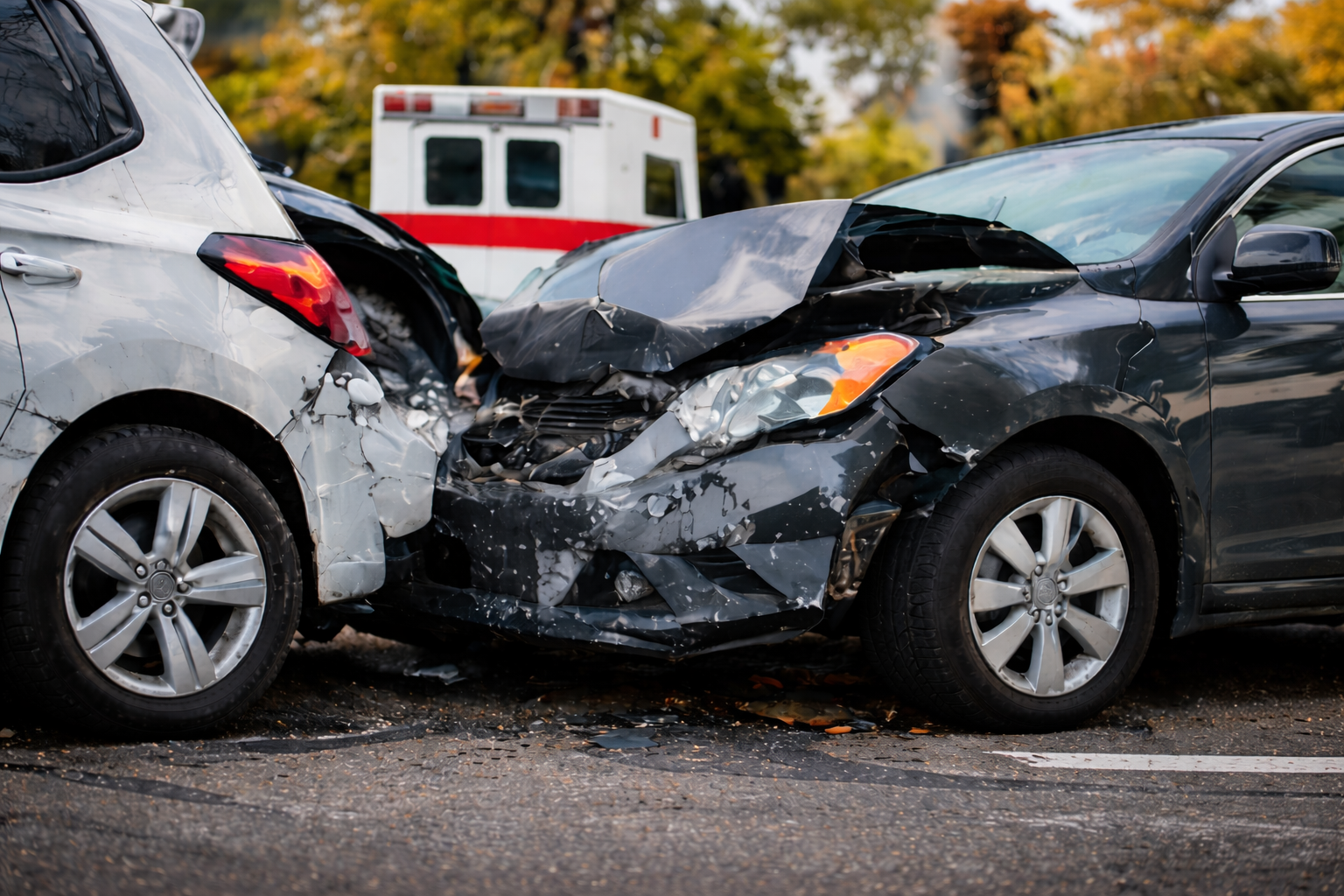
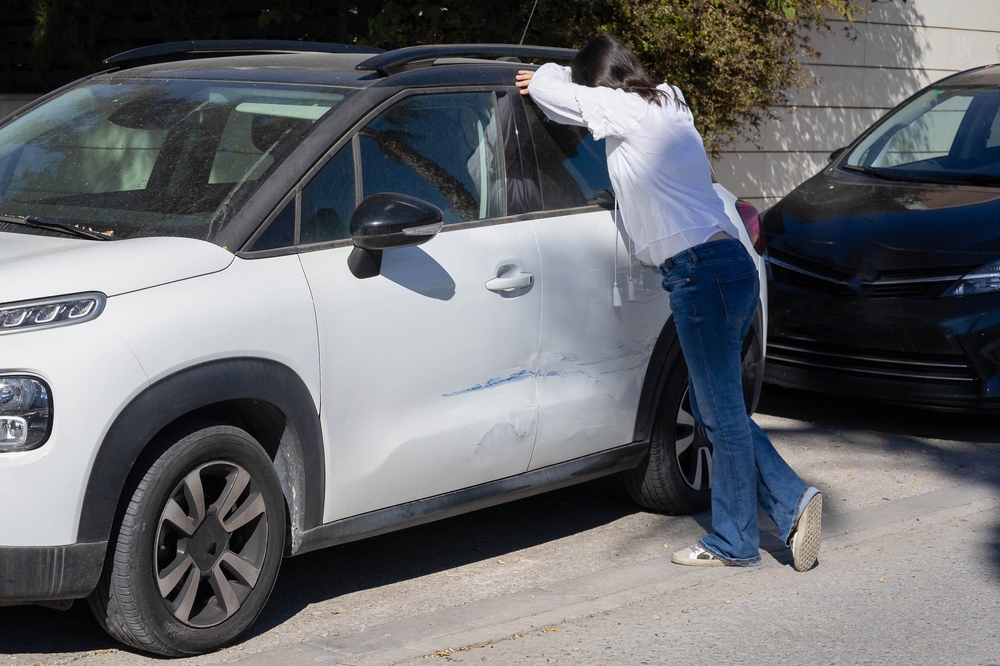
You're visiting Florida and crashed your rental car....You came to Florida for sunshine, beaches, maybe a theme park, or a weekend getaway. You didn’t come to trade your flip-flops for a tow truck and an insurance adjuster, but here you are. Rental car crashes happen every day, especially in high-traffic areas with unfamiliar roads, sudden rain, aggressive lane changes, and drivers who don’t realize the “exit only” lane becomes “surprise left turn now.” If you’re visiting Florida and you get into a car accident in your rental, the next few hours matter. Not because you need to panic, but because it’s easy to make innocent mistakes that can cost you money, medical care, and, if you’re hurt, the ability to recover what you’re owed. Here’s what I tell people to do, step by step, after a Florida rental car accident. 1) Get safe first, then get help If you can move, get yourself and your passengers out of danger. Florida roads can be chaotic, and a minor crash can turn into a major one if another driver hits you while you’re stopped. Call 911 if: anyone is hurt (even “just sore”) airbags deployed Cars are blocking lanes the other driver is acting impaired, aggressive, or won’t cooperate Even if the crash feels “small,” a police response can make a big difference later when stories change. 2) Don’t “tough it out” medically Vacation adrenaline is real. People walk around Disney or South Beach feeling “fine,” then wake up the next morning barely able to turn their neck. If you have pain, dizziness, headaches, numbness, or you simply feel off, get checked out. Go to urgent care or an ER if needed. If it’s a serious crash, [...]

Is It a Bad Idea to Post Gym or Vacation Pictures While I’m Still Injured?

You're in the middle of your injury claim, and you're wondering: "Is it a bad idea to post gym or vacation pictures while I’m still injured?" If you’re dealing with an injury after a crash or fall, your life doesn’t stop. You still have friends, family, and a phone that automatically tries to turn every moment into a highlight reel. And at some point, almost everyone asks the same question: “Is it going to hurt my case if I post this?” The honest answer: it can. Not because it’s “illegal” to live your life, and not because you’re doing something wrong by smiling in a photo. But because insurance companies love a good screenshot—especially one that lets them twist the story. Think of social media like a window into your case. You may see one afternoon. They’ll try to sell it as your whole life. Why insurers care so much about your posts: Insurance adjusters and defense lawyers are trained to look for anything that helps them pay less. And social media is a gold mine because it’s informal, out of context, and easy to misinterpret on purpose. A few common examples we see: 1) The “gym photo” problem You post a mirror selfie at the gym. Maybe you were there doing light rehab work, walking on a treadmill, or following a physical therapy plan. To you, it’s progress. To them, it’s: “See? They’re fine.” Even worse, the photo doesn’t show what happened after—like needing ice packs, pain meds, or being stuck on the couch for two days because you flared things up. 2) The “vacation picture” trap People take trips they had planned months earlier. Sometimes they travel because they need help from family. [...]

Do I Have to Use the Body Shop the Insurance Company Picked?

After a crash, you’re already juggling enough—doctor visits, rental cars, missed plans, and that constant “What happens next?” feeling. Then the insurance adjuster says, “We can set you up with one of our preferred body shops,” and it sounds helpful… until you wonder, "Do I have to use the body shop the Insurance company picked?" Here’s the short version in simple terms: in most situations, you do not have to use the body shop the insurance company picked. You generally have the right to choose where your vehicle gets repaired. And choosing wisely can make a big difference in how your car looks, drives, and holds value down the road. Let’s talk about how this works, what the insurance company is trying to accomplish, and how to protect yourself from getting steered into a repair you don’t feel good about. Why does the insurance company “recommend” a shop in the first place Insurance companies often have Direct Repair Programs (DRPs) or “preferred shop” networks. It’s not automatically shady. Sometimes it can be convenient: the shop already knows the insurer’s paperwork system, can handle billing directly, and may get you in faster. But let’s be honest about the incentives. A preferred shop relationship usually means the insurer is sending that shop steady business. In return, the insurer expects: predictable pricing faster cycle times (get the claim closed) fewer supplements (extra repair charges after teardown) repairs that stay within the insurer’s guidelines That can line up with quality work… or it can create pressure to “make it fit” within a budget instead of doing what’s best for your vehicle. Think of it like this: if your landlord “strongly suggests” a handyman, that handyman may be great. Or [...]

Do I Have to Tell My Own Insurance If the Crash Wasn’t My Fault? Florida’s PIP Rules Make This a Must

You've recently been in an accident, and the other driver is apologizing. Their insurance information is in your hands; it's clearly their fault, and now you're wondering, "Do I have to tell my own Insurance if the crash wasn’t my fault?" especially when you know your rates will go up. In Florida, that instinct is understandable. It’s also one of the most common ways good people accidentally hurt their own case. If the crash wasn’t your fault, you usually still need to notify your own insurance promptly, especially because Florida is a no-fault state and your own policy may be the fastest path to getting medical care paid through Personal Injury Protection (PIP). Florida’s no-fault system requires most drivers to carry PIP, which is designed to pay certain medical expenses and lost wages after a crash, regardless of who caused it. That means your first stop for medical payment is often your own policy, not the at-fault driver’s insurer. If you delay reporting the accident because you’re waiting on the other driver’s insurance to “do the right thing,” you can end up with unpaid bills, gaps in treatment, and a claim that gets harder to prove. Do I have a legal obligation to report it to my insurer? Most auto policies have notice requirements. In everyday terms, your insurance contract typically says you must notify them of an accident promptly, even if you don’t think you’re at fault and even if you don’t want to make a claim. Therefore, to truly protect yourself in the short term and in the long run, you'll want to confirm what's in the fine print of your contract before you decide to blow off your insurer! If you don't, [...]

What Should I take Photos of Right After a Crash?

After a crash, your brain goes into survival mode. Your hands shake, your heart races, and suddenly you can’t remember if you already called someone or if you’re still sitting in the same spot. That’s normal. If you're already thinking, "What should I take photos of right after a crash?" You're already on the right track. The truth about taking photos after a crash is simple: what you photograph in the first five to ten minutes can matter just as much as what you say in the next five to ten days. Photos can preserve the story of the wreck before the cars move, the debris gets swept away, and everyone suddenly “remembers it differently.” I’m an attorney at Tucker Law, and we help Florida crash victims protect themselves, physically, financially, and legally. If you’re unsure what to do after a wreck, call our firm at 1-800-TUCKERWINS. First things first: safety, then photos Before you start documenting anything: Check for injuries and call 911 if anyone is hurt or if traffic is dangerous. Move to a safe location if you can do so without creating more risk. Accept medical help if offered. Adrenaline can mask injuries. Once you’re safe or while waiting for help, your phone becomes your best witness. The “must-have” photo checklist after a crash Think of it like building a timeline. You want wide shots, medium shots, and close-ups. If you only take one type, the insurance company can argue they’re missing context. 1) The entire scene (wide shots) These photos capture the overall story, from where everyone was to what the roadway looked like, as well as how traffic was flowing. Take photos of: The intersection or stretch of road from [...]

Go to Top