10 Things to Know About Visiting the Emergency Room After a Car Accident

Prioritize your health and seek medical attention as soon as possible after a car crash. Visiting the emergency room (ER) can be overwhelming, especially if you're already dealing with the physical and emotional fallout from the accident. But not going to the ER can effect the way insurance companies pay after a crash. Here are 10 things you should know about going to the ER after a car accident: Get checked out, even if you don't think you're seriously injured. It's not uncommon for people to feel fine immediately after an accident, only to experience pain and discomfort later on. It's better to be safe and get checked out by a medical professional to make sure you're okay. Bring your insurance information with you. When you arrive at the ER, you'll need to provide your insurance information to cover the cost of your treatment. Make sure you have your insurance card and any other necessary documents with you when you go to the ER. Follow the triage process. When you arrive at the ER, you'll be assessed by a triage nurse who will determine the severity of your injuries and the order in which you'll be seen by a doctor. It's important to be patient and follow the triage process, as it's in place to ensure that those with the most serious injuries are seen first. Expect a wait. The ER can be a busy place, and you may have to wait a while to be seen by a doctor. Try to stay calm and bring something to pass the time, such as a book or a phone with some games or movies. Don't hesitate to ask for pain medication. If you're in pain, don't [...]


Who is Responsible for a Rear-End Collision: Understanding Liability in a Car Accident

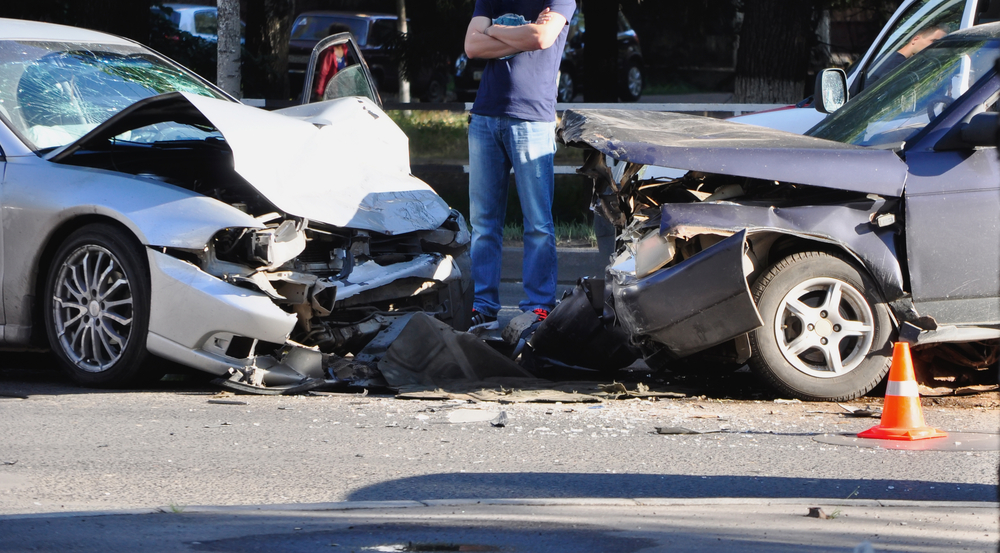
Rear-end collisions are one of the most frequent forms of car accidents that occur on the road. These accidents occur when one car slams into the rear of another that is stopped or driving slowly. In many cases, the accident is attributed to the driver of the vehicle in the back. However, it is not always easy to establish who is at fault in a rear-end incident. In order to establish liability in a rear-end collision, negligence must first be understood. A failure to use reasonable care that causes harm or injury to another person is referred to as negligence in the law. Negligence can take many different forms in the context of an automobile accident, including drunk driving, inattentive driving, and breaking traffic laws. If the driver of the rear car followed the lead vehicle too closely, this is usually regarded as negligence. This is so that they can fulfill their legal obligation to maintain a safe distance from the car in front of them and to have enough time to stop in order to avoid an accident. The driver of the car in the back may be held accountable for the collision if they were driving too closely behind. However, if the driver of the lead vehicle failed to give adequate warning, such as by activating danger lights or positioning a warning triangle behind their car, they may also be deemed negligent. Additionally, the driver of the lead vehicle may be held accountable for the collision if they were impaired by drugs, alcohol, or other illicit substances while driving. In some instances, a third party, such as a badly maintained road or a broken traffic signal, may be to blame for the accident. [...]

Navigating the Complexities of Car Accidents Involving Leased Vehicles

Car accidents can be stressful and confusing, but the situation can become even more complicated when a leased car is involved.  If you're interested in a car accident while driving a leased car, it's important to understand your rights and responsibilities. First and foremost, it's essential to remember that you are still responsible for the car while it's in your possession, even if you don't own it outright.  This means that you are responsible for any damage to the vehicle, whether it was your fault or not. If another driver caused the accident, you'd need to file a claim with their insurance company.  However, if the accident was your fault, you'll need to file a claim with your insurance company and pay for any out-of-pocket damages unless you have a collision coverage policy. It's also important to notify the leasing company as soon as possible after the accident.  They will likely have specific requirements for reporting accidents and damages, and failure to follow these requirements could result in additional charges or even the termination of your lease. Sometimes, the leasing company may require you to pay for any damages upfront and then seek reimbursement from the other driver's insurance company. Therefore, keeping good records and documentation of all communication and expenses related to the accident is essential. It's also worth noting that, depending on the terms of your lease, you may be required to carry higher insurance coverage.  This is because leased cars are typically more expensive to repair or replace than owned cars, so the leasing company wants to ensure that they are fully protected in the event of an accident. In summary, car accidents involving leased cars can be complex, but it's important [...]

Tips for Choosing the Right Car Accident Attorney

Choosing the right car accident attorney can make a significant difference in the outcome of your case.  Here are some tips to help you choose the right attorney for your needs: Look for an attorney with experience in car accident cases.  It is important to choose an attorney with experience handling car accident cases, as they will better understand the legal process and how to navigate it to get the best results for you. Consider the attorney's reputation.  Choosing an attorney with a good reputation within the legal community is essential.  You can ask for recommendations from other attorneys or research online to see what others say about the attorney. Look for an attorney who is responsive and communicative.  You want an attorney who is responsive and communicative, as this will ensure that you are kept informed about the progress of your case and that your questions and concerns are addressed promptly. Consider the attorney's fees.  When choosing a car accident attorney, it is crucial to consider the attorney's fees.  Some attorneys charge by the hour, while others charge a contingency fee, meaning they take a percentage of any settlement or award you receive. Look for a compassionate attorney.  Choosing an attorney who is compassionate and understanding of your situation is important, as the aftermath of a car accident can be stressful and emotional. Call Tucker Law today to discuss your accident case with a reputable accident attorney at 1-800-TUCKERWINS.  We are compassionate, knowledgeable, and experienced.  We are high-tech and very responsive.  Finally, Attorney Matthew Tucker has a reputation for big verdicts and settlements.

Avoiding Common Mistakes After a Car Accident: What You Need to Know

Car accidents can be a traumatic and overwhelming experience, and it's natural to feel disoriented and unsure of what to do in the aftermath. However, it's important to remain calm and take the proper steps to protect yourself and your rights. Here are the top mistakes people make after a car accident and how to avoid them: Failing to stop and exchange information: If you're involved in a car accident, you must stop your vehicle and exchange information with the other driver. This includes getting their name, contact information, and insurance information. If you fail to do this and leave the scene, you could be charged with a hit and run, which is a serious crime. Not calling the police: Even if the accident seems minor, it's crucial to call the police. They will create an official report of the accident, which can be helpful if you need to file an insurance claim or take legal action. Not taking photos or gathering evidence: It's a good idea to take photos of the accident and any damage to your vehicle. You should also gather the names and contact information of witnesses who saw the accident. This evidence can help prove your case to the insurance company or court. Admitting fault: It's essential not to admit fault or apologize for the accident, even if you think you may have caused it. The circumstances of the accident may not be precise, and admitting guilt could potentially harm your case. Instead, let the insurance company or the courts determine fault. Not seeking medical attention: If you're injured in a car accident, it's essential to seek medical attention as soon as possible. Even if you don't think you're seriously injured, [...]

Go to Top