I was Hit by a Car Riding my Bike…What do I do First
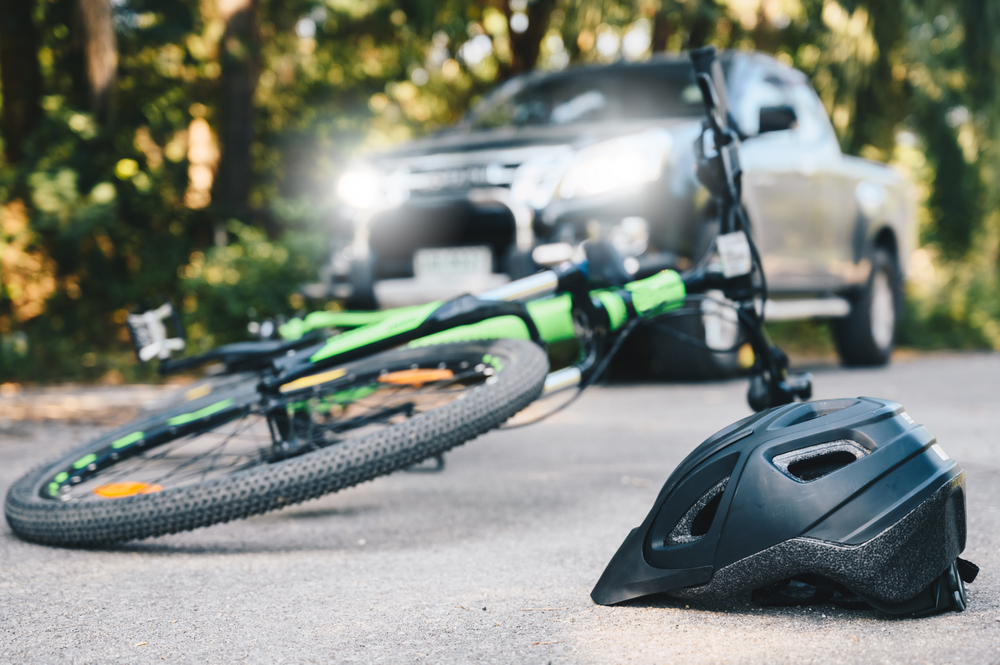
You’re riding your bike like you always do, but today was different because you find yourself calling a close friend or family member to say, “I was hit by a Car Riding my Bike…What do I do first?” The shock is real. The injuries can be serious. And the questions come fast:
Who pays my medical bills?
What if the driver says it was my fault?
What if they don’t have insurance?
Do I have rights even if I didn’t have a helmet?
If you’ve been hit by a car on your bike, you have rights. And knowing what they are early can make a huge difference in protecting your health, your finances, and your case.
1) Your first right is medical care (and you should use it)
After a bike crash, adrenaline can mask injuries. People walk away thinking they’re “okay,” only to wake up the next day barely able to move. Common bicycle accident injuries include concussions, broken bones, road rash that becomes infected, shoulder and collarbone injuries, knee trauma, and back/neck injuries.
If you hit your head, black out, feel dizzy, have numbness/tingling, or severe pain. Go get checked out, even if it feels “minor,” document it. Medical records often become the backbone of any injury claim.
2) You have the right to a police report and proper documentation
A crash report can matter more than people realize. It freezes key details in time: driver identity, witnesses, scene observations, and sometimes citations. If law enforcement didn’t come to the scene, you may still be able to make a report afterward, depending on your location and circumstances. But the sooner you document things, the better.
If you can do so safely (or have someone help), take photos:
- The vehicle and license plate
- Your bike damage
- Skid marks, debris, or the intersection layout
- Your visible injuries
- Street signs and lighting conditions
Think of it like this: the scene is a whiteboard that gets erased quickly. Cars move, bikes get taken home, bruises change color. Photos help preserve the truth.
3) You have the right to pursue compensation when a driver was negligent
Drivers have a duty to operate safely and watch for cyclists. Many bicycle crashes happen because of preventable mistakes, like:
- Failing to yield while turning
- Pulling out from a driveway or side street
- Distracted driving (phone use is a big one)
- Passing too closely
- Dooring (opening a car door into a cyclist’s path)
- Speeding or running stop signs/lights
If a driver’s negligence caused the crash, you can typically pursue a claim for losses such as:
- Medical bills (including future treatment)
- Lost wages (and reduced ability to work if injuries linger)
- Pain and suffering
- Disability or disfigurement (including scarring)
- Property damage (bike, helmet, gear, phone)
- Out-of-pocket costs (transportation, prescriptions, therapy)
And yes, bike injuries can be life-changing. A broken collarbone might “heal,” but ongoing shoulder limitations can affect your job, parenting, and everyday life.
4) You may have insurance coverage even if you were on a bike
A lot of people don’t know this: you might have access to auto insurance benefits even though you weren’t in a car.
Depending on the situation, coverage can come from:
- The driver’s auto insurance
- Your own auto insurance (even though you were biking)
- A household family member’s auto insurance, you’re covered under
- Uninsured/underinsured motorist coverage if the driver has little or no insurance
Insurance is a puzzle, not a single piece. One of the biggest mistakes cyclists make is assuming there’s only one possible policy involved. There may be multiple layers of coverage available, and identifying them early matters.
5) “They said it was my fault” doesn’t end the story
After a crash, drivers and insurance companies often lean on a few familiar narratives:
- “They came out of nowhere.”
- “They weren’t in the bike lane.”
- “They were going too fast.”
- “They didn’t have lights/reflectors.”
- “They weren’t wearing a helmet.”
Here’s the reality: fault is often contested, and it’s not always all-or-nothing. Even if you did something that contributed, you may still have a valid claim depending on the facts and your state’s rules.
Also, not wearing a helmet doesn’t automatically make the driver not responsible for hitting you. The key question is usually what caused the crash in the first place.
6) You have the right not to be bullied into a quick settlement
Insurance adjusters can sound friendly. But their job is to minimize what gets paid out. Early offers often come before you even know the full extent of your injuries. A quick check can feel like relief, until the medical bills keep coming or your symptoms don’t go away.
A settlement is usually final. Once you sign, you may be giving up the right to seek more money later, even if you need surgery or months of therapy.
If you’re still treating, still in pain, or unsure about your prognosis, that’s a sign to slow down and get advice before agreeing to anything.
7) What you do after the crash can protect (or hurt) your case
A few practical tips we give clients all the time:
- Don’t give a recorded statement to an insurance company without getting guidance.
- Save your bike and gear in the condition they were in after the crash—don’t repair or throw anything away.
- Keep receipts and a simple injury journal (pain level, missed activities, sleep issues, appointments).
- Be careful with social media. A single smiling photo can be twisted into “they’re fine.”
8) When it makes sense to call a lawyer
Bicycle crashes can look straightforward until they aren’t. The driver denies fault. A witness disappears. There’s camera footage that gets overwritten. The insurance company argues your injuries are “pre-existing” or “not that bad.” Or the driver is underinsured, and now you’re dealing with multiple policies.
How a lawyer can step in to help your situation:
A lawyer can help by doing more than handling paperwork. They also do the following for you:
- Investigating the crash and preserving evidence (including video)
- Coordinating with medical providers and documenting future needs
- Handling insurance communications so you don’t get boxed in by a statement
- Calculating the real value of your case (not just today’s bills)
- Pushing back when fault gets unfairly shifted onto you
If you’ve been hit by a car while biking, you don’t have to guess your way through the process.
If you want to talk through your options, call Tucker Law at 1-800-TUCKERWINS. We’ll listen, ask the right questions, and help you understand what your rights are and what steps make sense next.