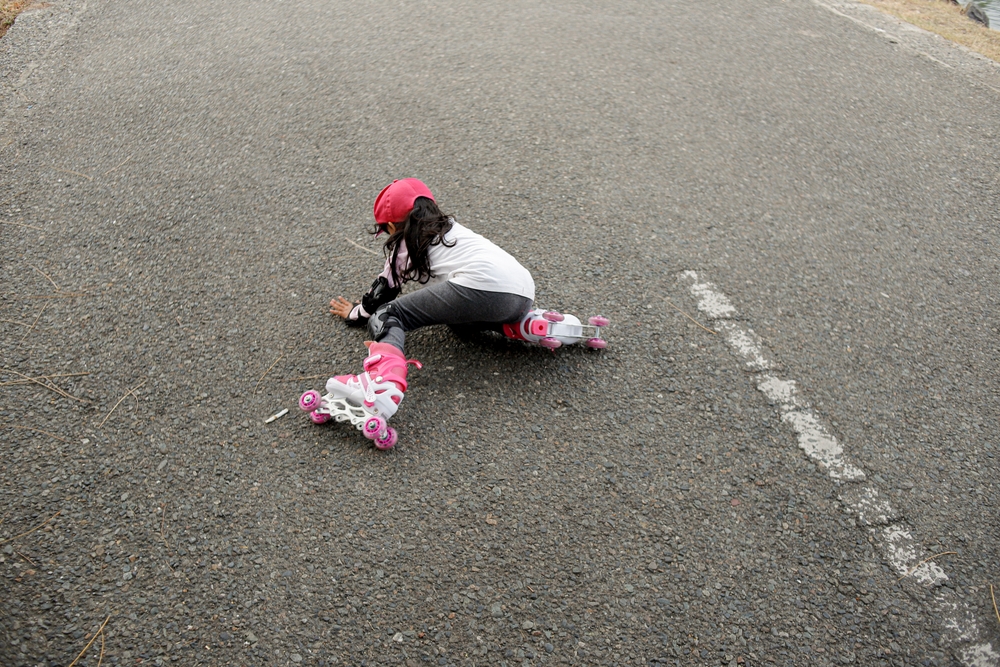
My Child Got Hurt at a Friend’s House—Am I a Bad Person for Asking About Legal Rights?
If your child gets hurt at a friend’s house, your first instinct is not “lawsuit.” It’s panic. It’s guilt. It’s replaying the moment in your head like a movie you didn’t ask to watch. Now you find yourself searching on the internet, “My Child Got Hurt at a Friend’s House—Am I a Bad Person for Asking About Legal Rights?”
And then—usually later that night, after the ice packs and the urgent care paperwork—you have a second wave of feelings:
“They’re our friends.”
“I don’t want to ruin anyone.”
“Am I really the kind of person who ‘goes legal’ over a kid accident?”
Let me say this as plainly as I can: asking about your child’s legal rights does not make you a bad person. It makes you a parent who is trying to protect your child’s future.
Because here’s the part most people don’t realize: in many situations, the “money” doesn’t come out of your friend’s pocket the way it does in your imagination. It often comes from liability insurance—the same kind of coverage people carry specifically for accidents that happen on their property.
This is one of those moments where the kind thing and the responsible thing can be the same thing.
What matters first: your child’s health and future care
Kids can bounce back fast… until they don’t. A broken arm can be straightforward. A head injury can look fine for days and then turn into ongoing symptoms. A dog bite can heal on the surface but still require scar treatment, therapy, or follow-up procedures later.
When families call us, they usually aren’t looking for revenge. They’re looking for answers like:
Will insurance cover the ER bill?
What if my child needs a specialist?
What if there’s a scar, or nerve damage, or anxiety afterward?
What happens if this affects sports, school, or development?
Those are reasonable questions. And they aren’t “greedy.” They’re practical.
Why is this often an insurance situation, not a “taking from your friend” situation
Most homeowners’ insurance and many renters’ policies include liability coverage. Think of it as a financial safety net for accidents—slip-and-falls, bites, unsafe conditions, pool incidents, and other injuries that occur on the property.
That coverage can potentially help pay for:
Medical bills (including future medical needs)
Specialist visits, imaging, and therapy
Reconstructive or scar treatment
Pain and suffering (yes, that’s real in a child’s case, too)
Out-of-pocket costs you didn’t plan for
And importantly: liability insurance exists for exactly this reason. People buy it hoping they never need it—but it’s there because accidents happen, especially where kids are running, climbing, jumping, and being… kids.
The uncomfortable truth: doing nothing can leave your child holding the bag
Here’s the part I wish every parent understood: when you “just handle it privately,” you’re often gambling with your child’s future care.
You might hear:
“Of course we’ll pay the bill.”
“Just send us the receipts.”
“Let’s not involve insurance—our rates will go up.”
Sometimes people mean it in the moment. But life happens. Months pass. A bigger bill arrives. The friendship gets strained. Or the injury ends up requiring more care than anyone expected.
Now you’re not just dealing with medical stress—you’re dealing with awkward conversations, resentment, and uncertainty.
The most responsible approach is often the least personal one: let insurance handle it.
Common scenarios where legal rights come up:
Every case is different, but here are situations we see regularly that should simply be handled by insurance companies, not awkward conversations with your friends.
- A child slips on a wet surface or falls on unsafe stairs
- An unfenced or poorly supervised pool incident
- A dog bite or scratch, even if the dog has “never done that before.”
- A trampoline injury with missing safety measures
- A broken play structure, loose railing, or hazardous backyard condition
- An injury caused by another child’s reckless behavior, combined with poor supervision
None of these requires you to label your friend a “bad parent.” The question is usually simpler: was the property kept reasonably safe, and is there coverage to help your child?
The “bad person” worry is normal. Here’s how to think about it.
I’ll give you an analogy I use with clients: imagine your child is in the passenger seat and gets injured in a car crash caused by a friend driving. You wouldn’t feel “evil” for making a claim. You’d expect insurance to step in—because that’s what insurance is for.
A home injury is similar. The location changes, but the principle doesn’t: when a child is hurt, and medical bills follow, the responsible system is the insurance system. Asking about your options is not an accusation. It’s planning. A simple, realistic “next step” that doesn’t torch the friendship.
You can take action without turning it into a family feud. In many cases, it starts with a calm, respectful conversation:
“We’re focused on making sure [child’s name] gets the care they need. The bills are adding up. Do you have homeowners or renters insurance? We may need to open a claim so this can be handled the right way.”
That’s it. Not threats. Not drama. Just a practical step.
And if the relationship is already tense, an attorney can often act as a buffer—so you don’t have to be the one making uncomfortable calls or negotiating with an adjuster.
What to do right now if your child was injured at someone else’s house:
A few practical tips I’d give my own family, as well as any close friends or clients.
- Get medical care immediately and follow up (kids’ symptoms can change)
- Document what happened while it’s fresh (photos, names, timeline)
- Keep all records and receipts (including mileage, prescriptions, braces, copays)
- Avoid guessing about faults in texts or social media
- Be careful with insurance calls—adjusters may ask for recorded statements early
- Don’t wait too long to ask questions; evidence and details disappear fast
Most parents don’t realize how quickly a “minor” injury can become a long-term issue. Getting guidance early helps you avoid mistakes that can limit coverage later.
It might feel awkward getting a lawyer involved with a friend situation, but the lawyer is not here to make things awkward! An attorney, such as myself, can help with the insurance claim and preserve any evidence of what actually happened. A good injury case isn’t about turning up the heat. It’s about building a clear, fair claim that matches what your child actually needs.
How a lawyer helps in a situation like this and what is typically included:
- Gathering medical documentation and future-care projections
- Identifying all insurance coverage (homeowners, renters, umbrella policies)
- Handling communications with adjusters so you don’t get boxed into a statement
- Documenting pain, limitations, scarring, and emotional impact
- Making sure the settlement accounts for future treatment—not just today’s bills
Most importantly, we keep the focus where it belongs: your child’s well-being.
To answer your question more simply, protecting your child is not “being that person.”
If your child was injured at a friend’s house, you can care about the friendship and still care about your child’s future. You don’t have to pick one. If you’re feeling stuck—or you just want to know what options exist without starting World War III—call us. A short conversation can give you clarity and peace of mind.
Call Tucker Law at 1-800-TUCKERWINS. Our firm will talk through what happened, what insurance may apply, and how to protect your child’s future care with as little stress as possible.