Overcorrection After Leaving the Lane: How Florida Investigators Reconstruct the Crash
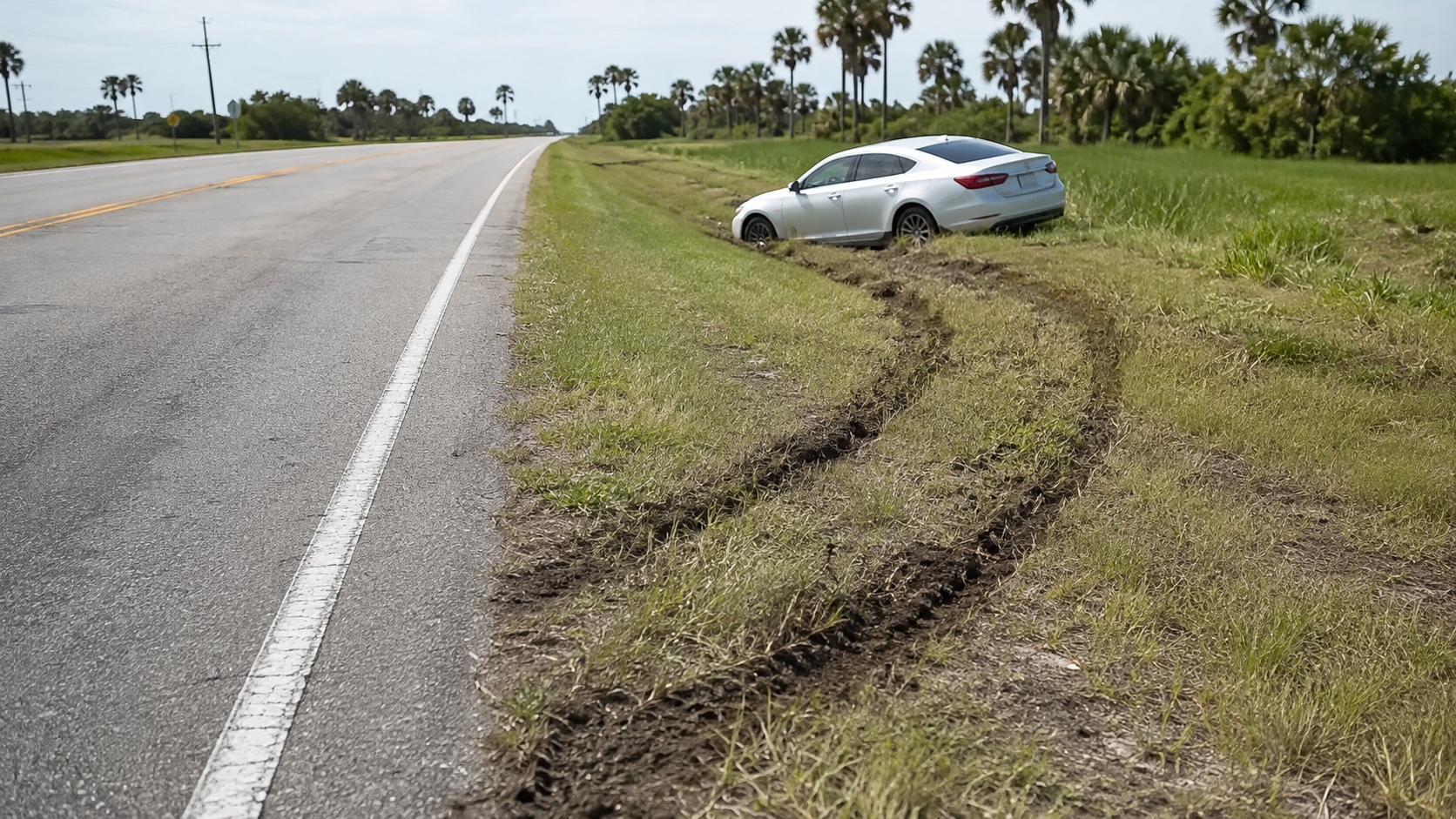
An overcorrection accident claim often begins with a simple description: a tire dropped from the pavement, the driver steered back, and the vehicle crossed lanes, rolled, or struck another car. That shorthand leaves out the most important issue—why the first departure happened and what the physical evidence says about the attempted recovery.
The first movement and the recovery are different events
A vehicle can leave its lane because of distraction, fatigue, speed, impairment, evasive action, tire trouble, a pavement edge, standing water, or another driver. The steering response comes later. Investigators should separate those moments instead of treating “overcorrection” as a complete cause.
For example, a careful response to a sharp pavement drop may still fail, while a violent steering input on a clear road may point elsewhere. The timing between departure, braking, steering, and impact can affect responsibility among drivers, vehicle owners, maintenance providers, or roadway entities.
Compare tire marks with vehicle data
Curved tire marks, yaw marks, gouges, shoulder ruts, debris, and fluid trails can document direction and rotation. Photograph them from the vehicle’s approach and with fixed reference points. Record lane width, shoulder slope, pavement height, sight distance, weather, lighting, and traffic controls before the scene changes.
Event data may preserve speed, brake use, throttle, steering, and restraint information, depending on the vehicle. It should be interpreted by a qualified person and compared with photographs and measurements. Data without scene context can be misleading; scene impressions without data can be incomplete.
Compare driver error with a roadway problem
Florida Statute section 316.089 addresses driving within a single lane and moving from it safely. Civil analysis still asks why the movement occurred and whether another condition contributed.
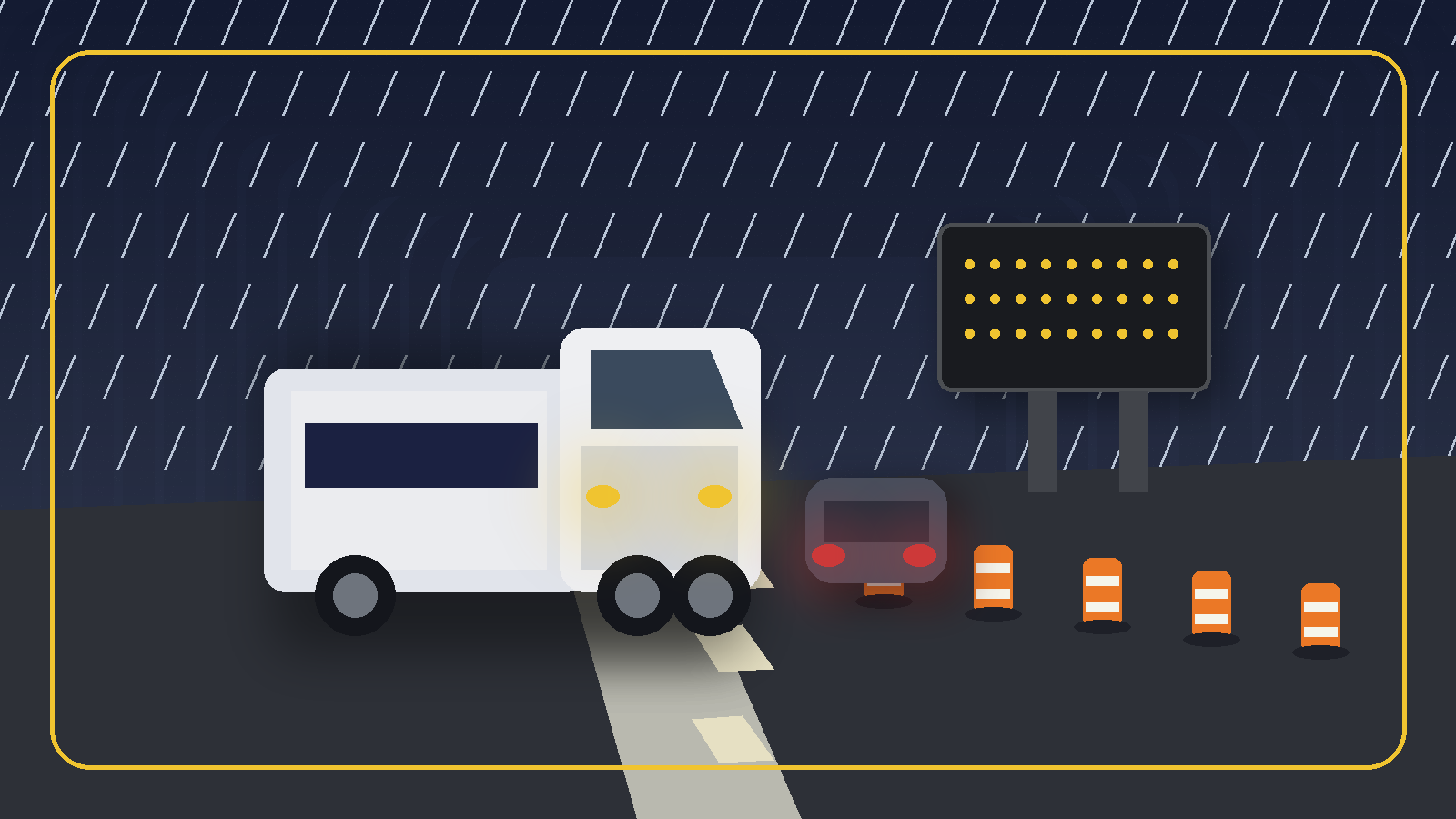
A broken edge, unmarked work, deep shoulder, pothole, debris, or drainage problem may require records from the agency or contractor responsible for the location. TuckerUp’s pothole-claim guide and construction-zone evidence article explain why notice, inspections, and temporary traffic controls may matter.
Compare mechanical explanations with maintenance history
A tire failure, steering defect, suspension problem, or improper repair can affect the first lane departure or the ability to recover. Preserve the vehicle and failed parts. Collect tire age, pressure and tread evidence, service invoices, warning-light history, repair orders, and recall information.
TuckerUp’s tire-blowout article discusses evidence that can distinguish impact damage from a failure that came first. A destructive inspection should not occur without notice to interested parties.
Compare witness impressions with recorded evidence
A witness may accurately report a swerve but misjudge speed or the reason for it. Identify where each witness stood, what obstructed the view, and whether the person saw the initial departure. Preserve 911 calls, dash-camera video, traffic cameras, nearby surveillance, phone records when lawfully relevant, and photographs from before vehicles were moved.
If another driver forced the movement without contact, identification and uninsured motorist issues may arise. TuckerUp’s no-contact crash guide explains why prompt reporting and independent proof can be important.
Injury evidence needs the same sequence
Report whether injury occurred during the first impact, rollover, restraint loading, airbag deployment, or secondary collision. Keep emergency, diagnostic, therapy, specialist, medication, wage, and expense records. Describe real functional limits consistently and avoid social posts that remove activities from context.
The useful conclusion is specific, not dramatic
A sound reconstruction identifies the initiating event, driver response, vehicle movement, impacts, and resulting injuries. It also acknowledges uncertainty. Tucker Law Group’s practice-area overview describes its injury work, and a person hurt in a Florida loss-of-control crash may contact the firm for a fact-specific review.
Shared fault requires careful separation
More than one cause can exist. A driver may react too sharply to another vehicle, while a poor shoulder or tire problem makes recovery harder. Florida Statute section 768.81 addresses comparative fault in negligence actions. Applying it requires evidence connecting each act or condition to the collision, not simply listing every imperfection at the scene.
Insurance communications should reflect that uncertainty. Keep claim numbers, adjuster information, recorded-statement requests, repair estimates, and policy documents. Avoid signing a release while medical care or the technical investigation remains open. A property settlement and an injury claim may involve different decisions.
Prompt review is particularly important when a roadway agency, contractor, commercial vehicle, or unidentified driver may be involved. Notice requirements, video retention, and vehicle availability can create deadlines well before the ordinary end of a lawsuit filing period.
Careful review of a overcorrection accident claim should connect the physical evidence, witness accounts, coverage, and medical documentation before conclusions are drawn.
This article provides general information only and is not legal advice. Each overcorrection accident claim depends on its own evidence and applicable law.