What Happens If the Driver Who Hit You Has No Insurance in Florida?
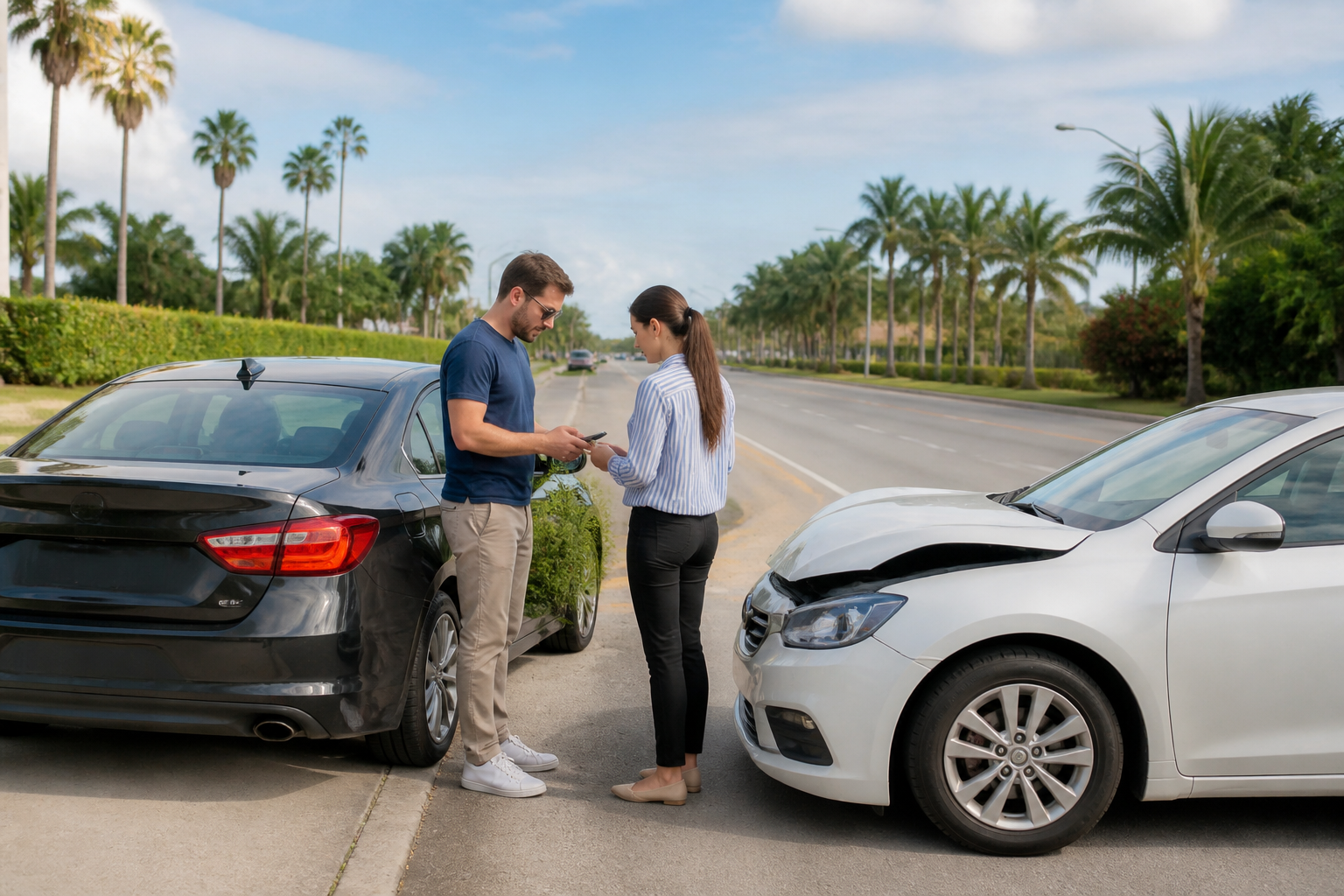
An uninsured driver accident in Florida can turn an ordinary insurance claim into a confusing coverage problem. You expect the person who caused a crash to have insurance. Then the adjuster calls, the policy search comes back, and you hear the words nobody wants to hear: “The other driver has no coverage.” Suddenly, an already stressful accident feels like a financial dead end.
It may not be. If an uninsured or underinsured driver hit you in Florida, several sources of coverage may still be available. The important thing is to identify them early, preserve the evidence, and avoid assumptions about what your own policy does or does not cover.
Uninsured and underinsured are not the same
An uninsured driver has no applicable bodily injury liability coverage for the crash. An underinsured driver has coverage, but the policy limit is not enough to pay for the full value of the injuries and losses they caused.
Either situation can create a gap. For example, a driver may carry a small bodily injury limit while your emergency care, follow-up treatment, lost income, and continuing pain add up to much more. That is where other coverage—especially uninsured/underinsured motorist coverage—can become important.
Your own PIP coverage may be the first layer
Florida is a no-fault state for initial medical benefits. In many car-accident cases, Personal Injury Protection (PIP) coverage under your own policy pays a portion of reasonable, medically necessary accident-related treatment and certain lost wages, regardless of who caused the crash. Florida law generally requires initial medical care within 14 days to qualify for PIP medical benefits. You can read the current requirements in Florida Statute section 627.736.
PIP is helpful, but it is rarely the whole answer in a serious case. It has limits, it does not automatically pay every expense, and it does not replace a claim for the full harm caused by a negligent driver. If bills have already started arriving, our prior post explains who may pay medical bills after a crash that was not your fault.
Uninsured motorist coverage can protect you from someone else’s missing insurance
In an uninsured driver accident, UM coverage may act as a substitute for the liability insurance the at-fault driver should have carried. Uninsured/underinsured motorist coverage—usually shown as UM or UM/UIM on a declarations page—is coverage you buy for yourself and other insured people under the policy. It may apply when the at-fault driver has no bodily injury coverage, does not have enough coverage, or cannot be identified after a qualifying hit-and-run.
Florida law requires insurers to offer UM coverage with qualifying bodily injury liability policies, although a named insured may reject it in writing. The details are in Florida Statute section 627.727.
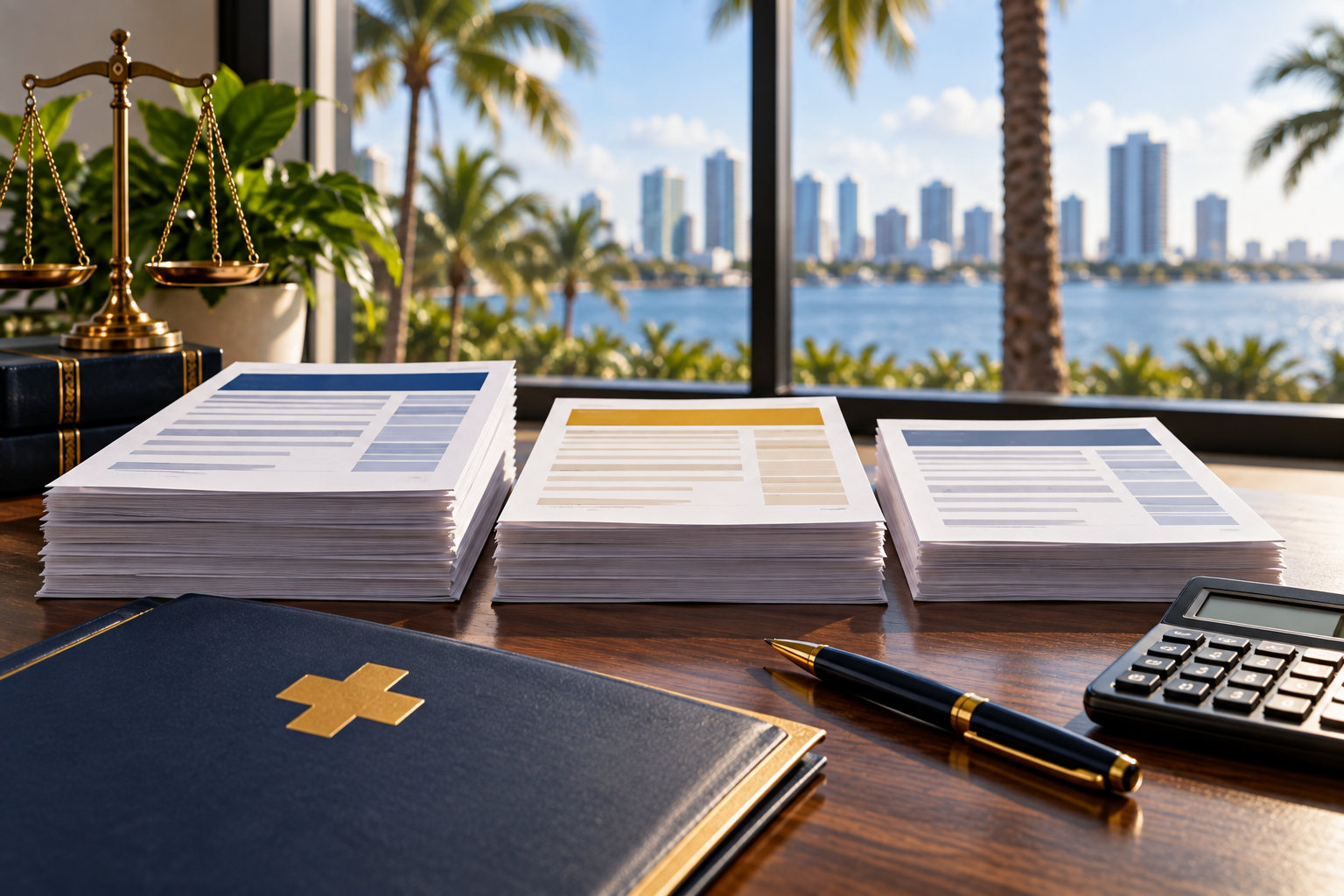
Do not rely on memory or a quick statement that you “have full coverage.” Ask for the full policy, declarations page, endorsements, and any UM rejection or selection form. Coverage can depend on who was in the vehicle, which vehicles are listed, whether more than one policy may apply, and whether the UM coverage is stacked or non-stacked.
What if you do not have UM coverage?
The case becomes more difficult, but it does not automatically disappear. Depending on the facts, an attorney may investigate:
- Other insurance policies. The at-fault driver may have been using a household vehicle, an employer’s vehicle, a rental, or a vehicle owned by someone else.
- Commercial or employer responsibility. If the driver was working at the time, an employer or company policy may be involved.
- Additional negligent parties. A dangerous roadway condition, defective vehicle component, negligent repair, or another driver may have contributed.
- The at-fault person’s assets. A direct claim may be possible, although collectability and practical costs matter.
- Your health insurance, medical-payments coverage, or other benefits. These sources may help with treatment costs while liability issues are investigated, sometimes with reimbursement rights later.
This is why a prompt coverage investigation matters. The name on the crash report is only the beginning, not always the full list of people, businesses, and policies connected to the loss.
What should you do after an uninsured driver accident?
After an uninsured driver accident, these early steps can protect both your health and the available evidence:
- Call law enforcement and get a report number. A clear record can be especially important if the other driver later changes their story or leaves the scene.
- Photograph the vehicles, road, traffic controls, injuries, and insurance documents. Capture wide shots and close-ups, and save the original files.
- Get names and contact information for witnesses. Independent witnesses can disappear quickly once everyone leaves.
- Seek appropriate medical care promptly. Some injuries are not obvious in the first hour. If you feel “mostly fine,” review our article on why medical evaluation can still matter after a serious crash.
- Notify your insurer, but be precise. Report the collision as required. Avoid guessing about speed, fault, or the extent of an injury before you have the facts.
- Request the complete policy documents. Ask specifically about PIP, medical payments, bodily injury, and UM/UIM coverage.
- Track symptoms and limitations. A consistent record can help show how an injury affects ordinary life. Our guide explains what to include in a pain journal after an accident.
- Do not rush into a release. A payment for vehicle damage or an early settlement may come with language that affects other claims. Read every release carefully before signing.
Can your insurer treat you like an opposing party?
People are often surprised by this part. A UM claim is made under your own policy, but your insurer may still investigate fault, medical causation, prior injuries, treatment, and the value of the claim. The carrier may request a recorded statement, medical authorization, examination under oath, or independent medical examination depending on the policy and circumstances.
That does not mean every request is improper. It does mean the claim should be handled carefully. Cooperating with valid policy duties is important, but so is understanding the scope of what is being requested and avoiding inaccurate, incomplete, or overly broad statements.
What compensation may be available?
Available damages depend on the injuries, insurance, fault, and evidence. A claim may include past and future medical expenses, lost income, reduced earning capacity, pain and suffering, disability, disfigurement, and loss of enjoyment of life. Property damage is usually handled separately from bodily injury and UM claims.
No two uninsured driver accident cases have identical coverage. Even two policies from the same insurance company may differ because of endorsements, selected limits, household members, and vehicles insured. That is why reviewing the actual documents is more reliable than relying on a policy nickname or what someone recalls buying years ago.
Do not let “no insurance” be the end of the investigation
After an uninsured driver accident, the path to compensation is less obvious—but there may still be a path. Start with PIP, identify every potentially applicable policy, preserve the crash evidence, and investigate whether another person or business shares responsibility.
If you need help after an uninsured driver accident, Tucker Law handles Florida car-accident and personal-injury claims, including coverage disputes involving uninsured and underinsured drivers. Explore our practice areas or contact Tucker Law for a free case evaluation. You can also call 1-800-TUCKERWINS.
This article provides general information and is not legal advice. Insurance coverage and claim deadlines depend on the policy language and facts of each case.