Why Can Big Brands Use Similar Words But I Can’t?
If you’ve ever tried to name a business, launch a product, or file a trademark, you’ve probably had this moment: you find a big-name company using a word that looks a lot like the one you want… and yet you’re told you can’t use it. It feels unfair. Like the rules somehow bend for the giant brands and snap shut on everyone else, which leaves you wondering, “Why Can Big Brands Use Similar Words But I can’t?”
Here’s the reality of it:
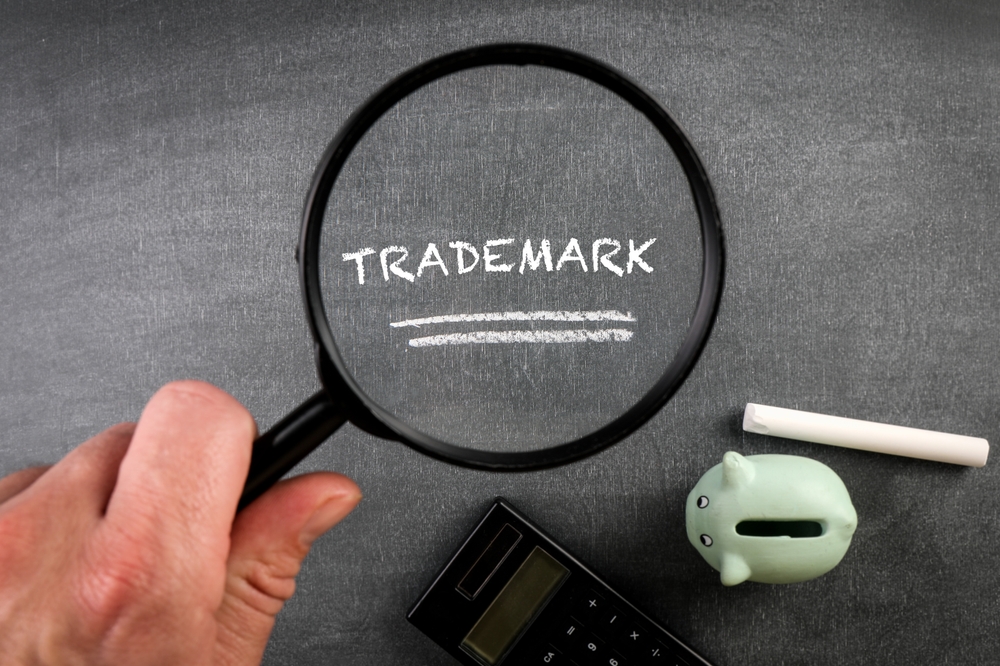
Trademark law isn’t about owning a word in the dictionary. It’s about preventing consumers from being confused about who’s selling what. And that’s why you’ll see some similar-sounding names coexist peacefully, while other “close enough” names get blocked fast.
Trademarks don’t protect words in a vacuum.
A trademark is more like a label on a shelf than a lock on a word. The law cares about whether someone shopping for a product or service might reasonably think two businesses are connected.
So when you see similar words used by different companies, it’s usually because they’re in different lanes. Different industries. Different types of customers. Different ways products are bought and sold.
Think of it like street addresses. Two people can be named “John Smith,” but that doesn’t mean they live in the same house. A trademark is tied to the “address” of the goods or services it represents.
Coexistence happens when the goods/services are different enough
You’ve probably seen the classic examples where the same or similar word appears in totally different contexts, because the market overlap is low.
If one business sells camping equipment and the other provides accounting services, consumers aren’t likely to assume they’re related just because the names rhyme or share a keyword. Trademark offices and courts look at things like:
- What the businesses sell (goods/services)
- Who buys them (the target customers)
- Where they’re sold (online, retail, professional services, etc.)
- How people find them (search engines, referrals, storefronts)
If those factors don’t overlap much, two similar marks may be able to exist side-by-side.
The catch: the more similar the products, the higher the risk
Here’s where most people get tripped up. You might see a big brand using a similar word, but what you don’t see is that the big brand might be using it for something totally different than what you’re trying to do.
If your product is in the same general category, say clothing, beauty, fitness, restaurants, or software, it doesn’t take much similarity for confusion to become a real concern.
In those cases, trademark law isn’t being “picky.” It’s trying to prevent a customer from clicking the wrong link, buying the wrong product, or assuming there’s a partnership that doesn’t exist.
Famous brands get a wider protective bubble.
This is the part that feels like the playing field tilts, because in some ways it does.
Well-known brands can sometimes stop users that wouldn’t confuse customers in the usual sense. Why? Because trademark law also recognizes the idea of dilution, when a famous brand’s distinctiveness gets weakened by lots of similar uses, even in different industries.
Picture a famous brand name like a bright spotlight. The law may protect it from being “dimmed” by copycat or near-copycat names that ride on its reputation. That’s why a smaller business may get pushback even if they’re not trying to trick anyone.
And no, this doesn’t mean every “big company” is legally famous. Fame is a high bar. But when it applies, it can make the rules stricter.
It’s also about the whole impression, not just one shared word
Two names can share a common term and still be totally different in overall feel. The law looks at how a mark is experienced by real people:
- Sound (how it’s pronounced)
- Look (spelling, design, logo style)
- Meaning (what the word suggests)
- Overall commercial impression (the vibe of the brand)
That’s why “similar words” doesn’t automatically mean “infringement.” But it also means a name you think is safely different might still be too close once you zoom out.
Search engines changed the battlefield.
Twenty years ago, customers found businesses in phone books, strip malls, or word-of-mouth. Today, people type a name into Google and click quickly. That makes confusion easier, and trademark disputes more common.
If your name is close to another brand’s, you may constantly be competing with them online. Even if you’re not infringing, you could spend your marketing budget just trying to explain you’re not the other guy. That’s a painful way to run a business.
So what should you do if you’re picking a name?
Here are practical steps that save money and headaches:
- Don’t rely on a quick Google search. A name can look “available” online and still be a trademark problem.
- Check more than exact matches. Similar spellings, similar sounds, and similar meanings can matter.
- Think about expansion. Even if you’re starting in one niche, where will you be in two years? The closer your plans are to someone else’s market, the riskier it gets.
- Don’t ignore a cease-and-desist letter. Even if you disagree, the wrong response can make things worse.
One more smart move to do before you fall in love with a name is to do a quick “confusion test” on real people. Tell a few friends (or potential customers) the name out loud and ask, “What do you think this business does?” and “Who do you think it’s associated with?” Then have them search it online and see what comes up. If they immediately mention another company, click the wrong result, or assume you’re a branch of someone else, that’s a warning sign. It’s not a legal clearance by itself, but it can save you from choosing a name that’s going to be an uphill battle in the real world, especially in a Google-first marketplace.
Why having a lawyer matters here:
Trademark disputes aren’t just about “can I use this name?” They’re about leverage, strategy, and avoiding expensive mistakes. A lawyer can help you evaluate the real risk (not just the scary language in a letter), look for paths to coexistence, and respond in a way that protects your business instead of poking the bear. Sometimes the best move is adjusting branding early; sometimes it’s pushing back because the other side is overreaching. Either way, you want to know where you actually stand before you invest in packaging, ads, a website, and customer goodwill tied to a name you might lose.
If you’re stuck in that frustrating spot, “but they can use it, why can’t I?” Our firm can help you map it out and make a smart decision.
At Tucker Law, our firm deals with the real-world consequences of legal issues: lost time, lost money, and stress you didn’t ask for. If you have questions about a business name, a trademark issue, or a demand letter, call us at 1-800-TUCKERWINS.