Brake Failure After a Florida Crash: Driver Error, Maintenance, or Defect?
A brake failure accident claim often begins with a driver saying the pedal did not work. That statement matters, but it does not identify the cause. Worn components, contaminated fluid, a repair mistake, an electrical problem, a manufacturing defect, poor maintenance, or a driver’s delayed reaction can produce very different legal and insurance questions.
Florida requires working brakes
Florida Statute section 316.261 requires covered vehicles to have brakes adequate to control movement and stop and hold the vehicle under loading and grade conditions. Section 316.263 requires brakes to be maintained in good working order. Those rules provide context, but a civil claim still needs proof of what failed, who was responsible, and how the failure caused injury.
The driver’s conduct is one part of the story
Investigators ask when the driver first perceived danger, when braking began, what the pedal felt like, whether warning lights appeared, and whether evasive steering was possible. Vehicle event data, dashboard video, witness accounts, tire marks, and final positions can test the account. A brake problem does not erase speeding, distraction, or following too closely; those actions may have reduced the time available to respond.
At the same time, a driver who encountered a sudden, genuinely unexpected mechanical failure may have a different case from someone who ignored repeated warnings. Service history and prior symptoms help distinguish them.
Maintenance records can redirect the claim
Preserve inspection reports, repair invoices, text messages with mechanics, parts receipts, dashboard warnings, and warranty documents. The relevant questions include who owned the vehicle, who regularly used it, when the brakes were last serviced, what was recommended, and whether the work matched the invoice.
A fleet vehicle may have electronic maintenance logs and driver inspection reports. A rental, employer, or delivery vehicle can involve policies and contracts beyond the driver’s personal insurance. TuckerUp’s delivery-driver accident guide explains why employment and coverage should be analyzed separately.
The physical parts may be the best evidence
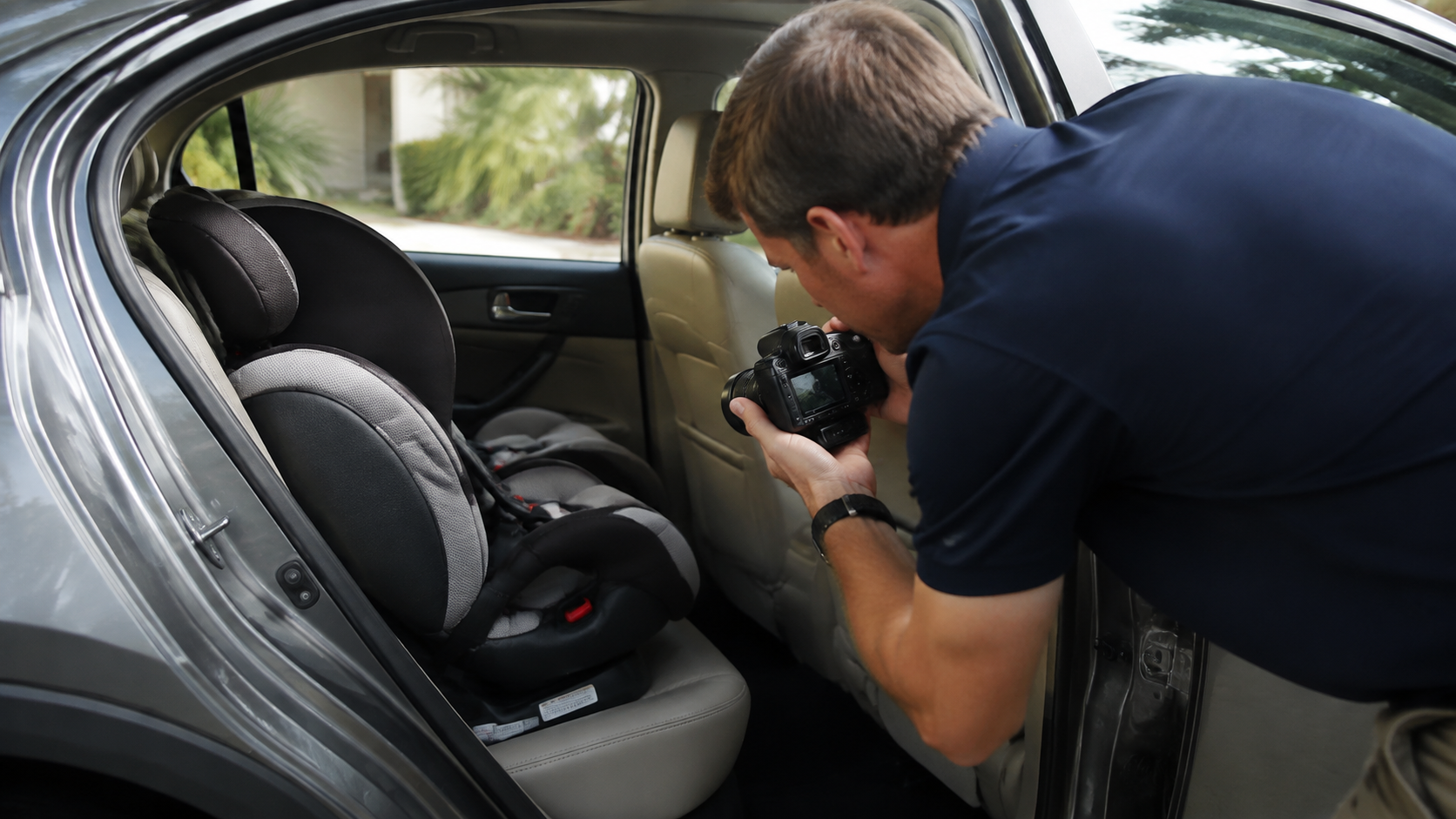
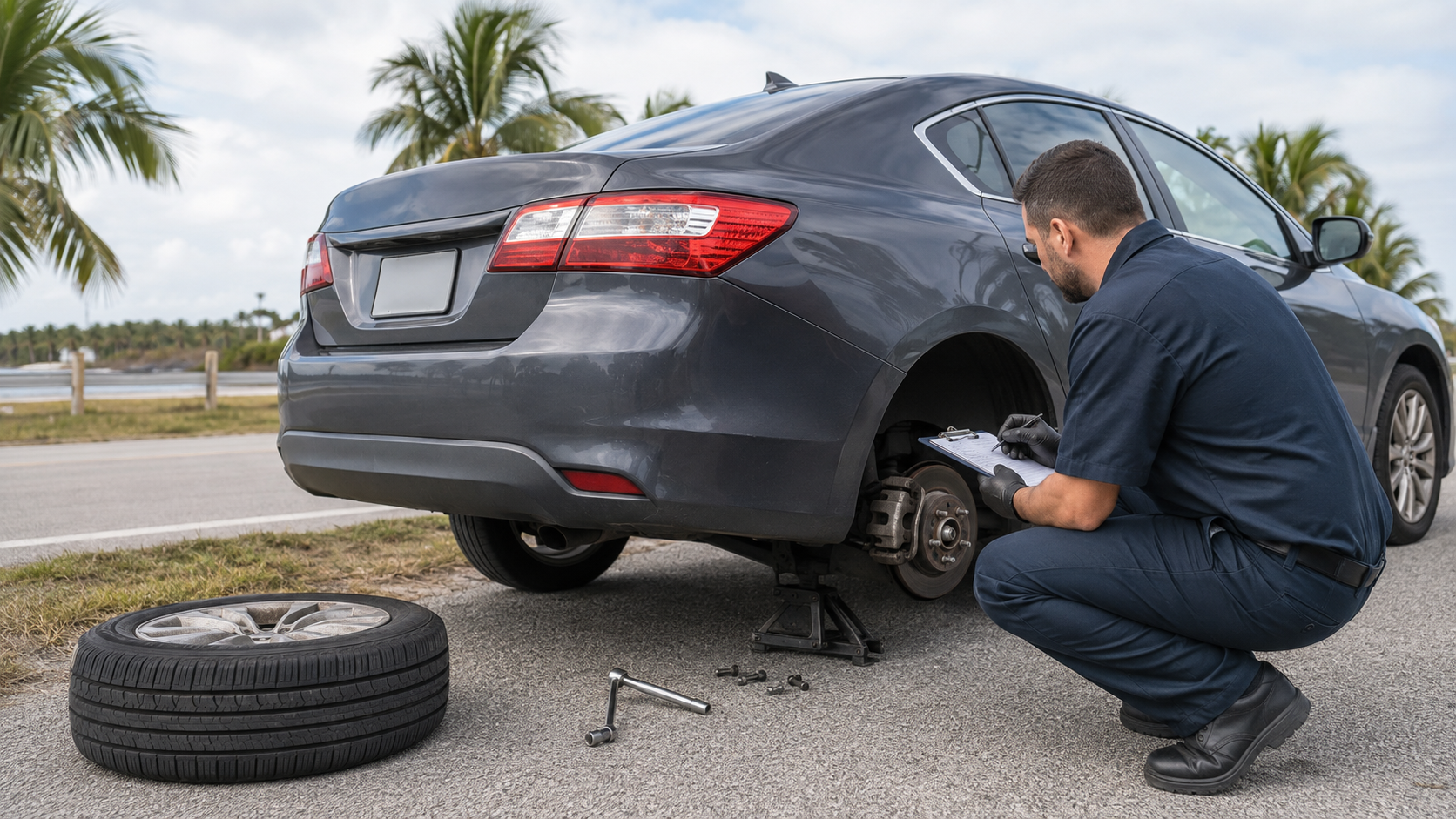
Do not allow a disputed vehicle to be repaired, sold, crushed, or stripped before appropriate inspection when preservation is feasible. Brake pads, rotors, lines, fluid, calipers, master cylinder, sensors, electronic modules, tires, and related components may reveal heat, wear, leakage, contamination, or damage. Photographs alone may not capture an internal failure.
Document who possesses the vehicle and every transfer to a tow yard, insurer, repair shop, or salvage facility. A focused preservation letter can reduce the risk that ordinary business processes destroy the evidence.
A repair error and a product defect are different theories
If a shop installed a part incorrectly or failed to perform promised work, its records, technician notes, training, and replaced components may matter. If a part failed despite appropriate service, design, manufacturing, warnings, recalls, and distribution history may become relevant. Neither theory should be alleged simply because the crash was severe.
Experts may need to inspect the same evidence from different perspectives. Early coordination avoids testing that unintentionally changes a component before others can examine it.
Other drivers can still share responsibility
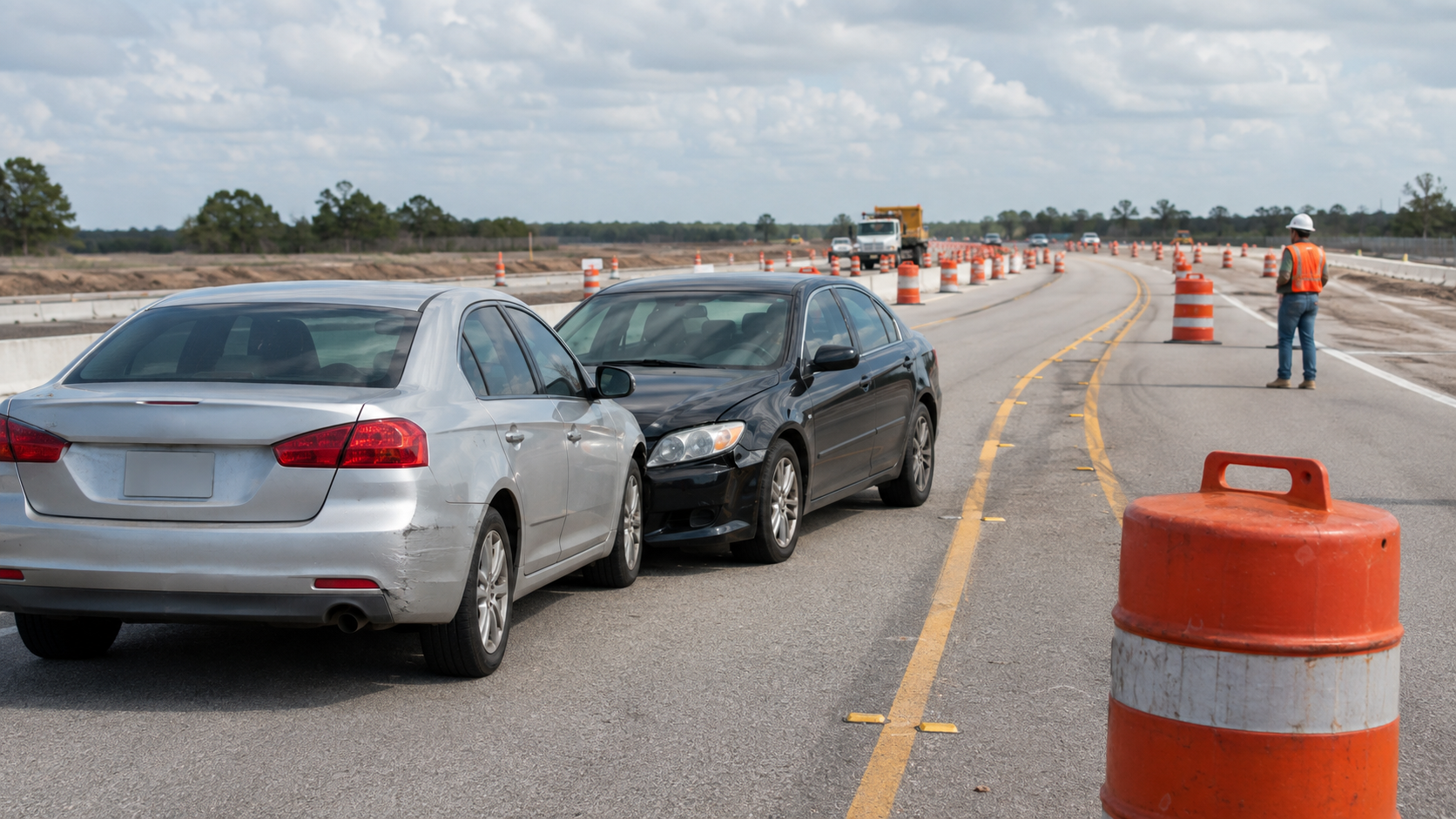
A vehicle may lose braking ability and then be cut off, struck from behind, or forced into another lane. Florida comparative-fault principles permit evaluation of multiple contributing acts. A chain-reaction crash requires a synchronized timeline rather than an assumption that the vehicle reporting brake failure caused every later impact.
Injury and coverage proof remain essential
Medical records should accurately describe the collision, symptoms, treatment, and functional changes. Keep wage records, receipts, towing bills, photographs, and policy documents. Liability, personal injury protection, collision, product-liability coverage, and uninsured motorist issues may occupy different parts of the claim.
A quick property-damage payment should not lead to a broad release before injuries and evidence are understood. Passengers may have independent rights; see TuckerUp’s passenger injury guide.
Building a reliable brake failure accident claim
The strongest analysis connects the driver’s description to vehicle data, service history, physical components, and the crash timeline. Tucker Law Group’s practice areas describe its injury work. To discuss a Florida mechanical-failure crash, contact the firm.
What should be recorded immediately?
If health and safety permit, record any dashboard messages, unusual sounds, pedal feel, smoke, odor, fluid on the ground, and statements made at the scene. Photograph the roadway grade, traffic signals, debris, and approach path. Ask witnesses for direct contact information. Do not repeatedly operate or test the brakes after the crash; additional use may alter the very condition that needs examination.
Keep the crash report number and identify responding officers, tow operators, and the first repair facility. If the vehicle owner receives a storage or disposal notice, respond promptly and notify appropriate insurers or counsel. Evidence can be lost through routine auction or salvage procedures even when nobody intends to conceal it.
This article provides general information, not legal advice. Every case is different, and reading this page does not create an attorney-client relationship.