Should I see a doctor even I feel fine? After a car accident

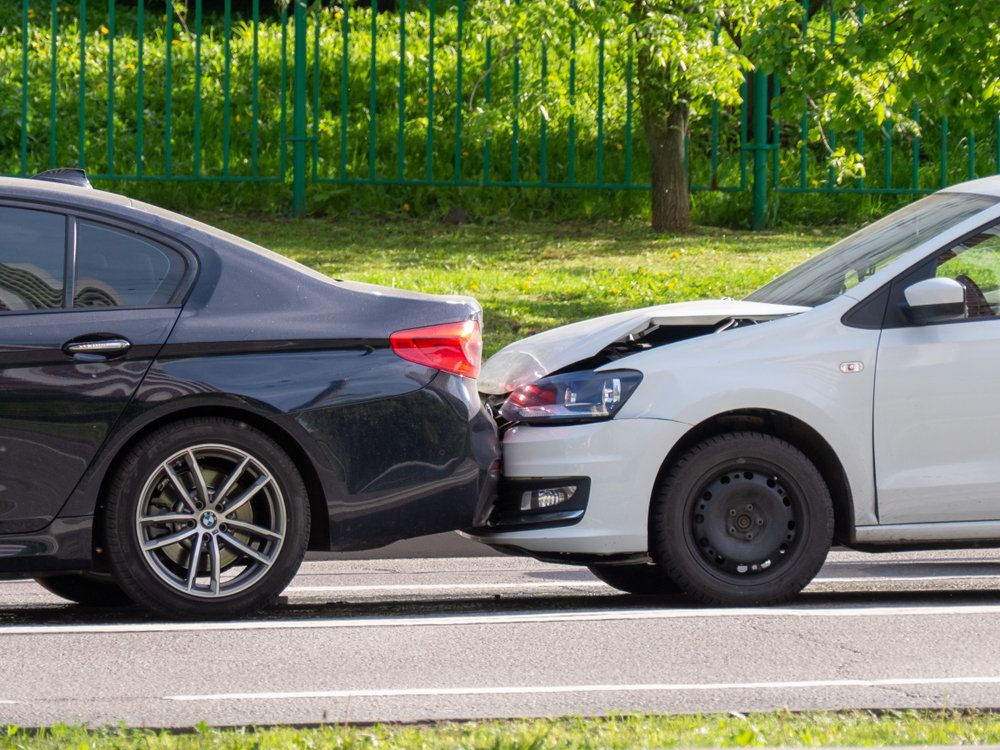
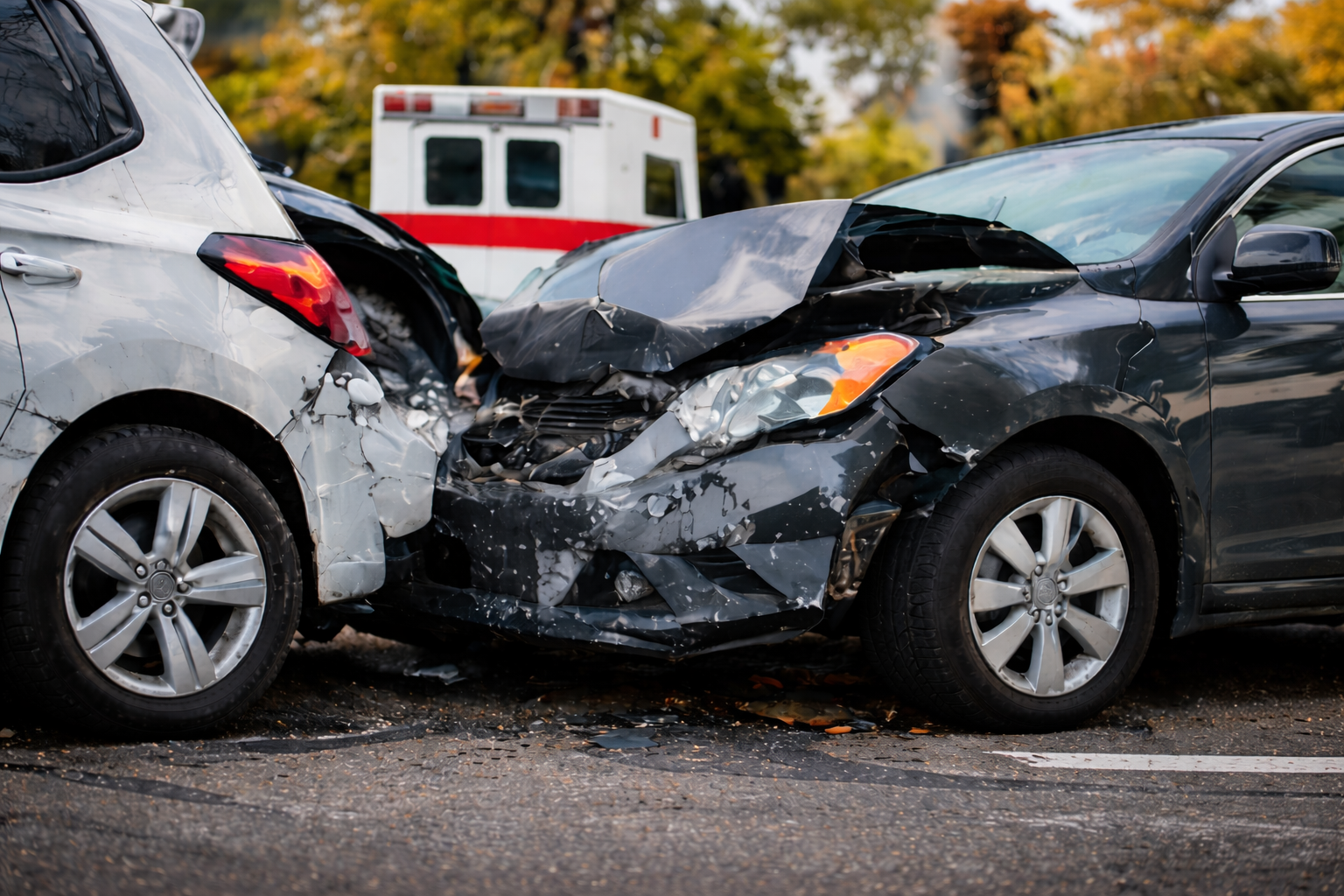
After a car accident, it’s completely normal to ask yourself: “Do I really need to see a doctor after a car accident if I feel okay?” A lot of people don’t want to overreact and convince themselves that they are fine because they feel "fine". Maybe your car is banged up, your nerves are rattled, but you’re standing there thinking, “I’m fine.” Maybe you’re sore, maybe you’re not, and the idea of sitting in an urgent care waiting room feels unnecessary. Here’s the frank answer: yes, you should still get checked out. Why get checked out after a car accident if you feel fine? Because it’s a health decision, not a money decision.  After a crash, your body can mask pain. Adrenaline and shock can make you feel normal for hours or even days. That’s why a lot of common accident injuries don’t show up right away. People often feel okay at the scene, then later develop neck stiffness, headaches, dizziness, back pain, or soreness that wasn’t there before.  Seeing a doctor doesn’t mean you’re trying to exaggerate anything. It’s the same kind of responsible step you’d take after any sudden impact or trauma. The goal is to make sure nothing serious is going on and to get guidance on what symptoms to watch for.  In many cases, the best outcome is the doctor telling you everything looks fine. That peace of mind is valuable. And if there is an injury, catching it early can prevent it from getting worse and helps you recover faster.  So the reason to get checked out is simple: confirm you’re okay, catch hidden injuries early, and protect your long-term health. At Tucker Law, we’ve handled many cases where clients [...]

Why You’re Seeing an Upside-Down Billboard on Florida Roads

Seeing an Upside-Down Billboard while you’ve driving through South Florida and thought, “Wait… is that billboard upside down?”—you’re not imagining things. Yes, Tucker Law billboards or any others are intentionally flipped. No, it’s not a mistake. Accident attorneys spend days talking to people whose lives were turned completely upside down in a matter of seconds. A crash, an injury, a phone call no one ever wants to make. Why an Upside-Down Billboard? Most billboards blend into the background. You pass them at 60 miles per hour without ever really seeing them. An upside-down billboard interrupts that autopilot moment, making your brain do a double take. It gets you thinking, long enough to remember the message and start a conversation with those in the car with you. The reason is simple: accidents turn lives upside down. When you’ve been injured in a car crash, nothing feels right. Your routine is disrupted, you’re in pain, and bills start piling up. As you’re going through this, the insurance companies are prepared and remain unaffected. Which is when you’ll received a call from them…when you’re least prepared to deal with them. That disoriented feeling is something we see every day in our clients and we wanted a visual reminder to show that we understand it. Isn’t That Distracting? We’re often asked whether an upside-down billboard is meant to distract drivers. The answer is no, not at all. The design is intentionally simple, readable at a glance, and meant to register after the fact, not pull your attention off the road. The goal isn’t confusion. It’s connection. People usually notice it later and say something like, “I saw your upside-down billboard today.” That’s the moment the message sticks. That billboard [...]

What are the 100 Deadly Days of Summer? Understanding Risks and Protecting Your Rights

The Most Dangerous Time on the Road Summer should be a time of relaxation and fun, but it also marks the start of a perilous period for drivers: the 100 Deadly Days of Summer. This term refers to the days between Memorial Day and Labor Day, notorious for a spike in car accidents, particularly involving young drivers. As a seasoned accident attorney with Tucker Law in Fort Lauderdale, I’ve seen firsthand the devastating impact of these accidents. This blog aims to educate you on how to navigate the aftermath of a car accident and the importance of securing skilled legal representation. Why Are These Days So Dangerous? Several factors contribute to the increased risk during these summer months: Increased traffic: With schools out and families embarking on road trips, there's significantly more traffic. Novice drivers: Teen drivers, out of school and on the roads, lack experience, which can lead to critical errors in judgment. Holiday celebrations: Holidays like the Fourth of July and Labor Day often involve alcohol, which can result in impaired driving. Navigating the Aftermath of an Accident If you find yourself involved in a car accident, taking the right steps can significantly affect the outcome of any claims or legal proceedings that follow. Here are some key tips: Safety first: Check for injuries and ensure that you and your passengers are safe. Move to a safe location if possible. Call the police: A police report is vital as it documents the incident and provides an official account of the accident. Document everything: Take pictures of the scene, the vehicles involved, and any visible injuries. Exchange information: Get the contact and insurance details of the other driver but avoid discussing fault or details [...]

Navigating the Road of Law: Understanding Car Accidents Involving Bicyclists in Florida

The Basics: Rights and Responsibilities Imagine a typical sunny morning in Florida, where you're enjoying a bicycle ride, but suddenly, a car unexpectedly crosses your path. This common scenario highlights the need for awareness of your rights. In Florida, bicyclists are granted the same rights and responsibilities as motorists. The vulnerability of bicyclists, however, adds a layer of complexity to these accidents, often leading to more significant consequences. As a bicyclist in Florida, it's crucial to be aware of your legal rights in the event of an accident with a motor vehicle. These rights include: Right to Use the Road: Bicyclists have the same right to use the road as motor vehicles, with access to the same lanes and traffic signals. Right to Fair Compensation: If you're involved in an accident caused by a motorist, you have the right to seek compensation for injuries, damages, and losses. Right to Report the Accident: You have the right to report the accident to law enforcement and have the incident officially documented, which is essential for any legal claims. Responsibilities to Uphold Bicyclists also have responsibilities to ensure their safety and compliance with the law: Obey Traffic Laws: Just like motorists, bicyclists must adhere to all traffic signs, signals, and regulations. Use of Proper Safety Gear: Wearing a helmet, using reflectors, and having proper lighting on your bicycle are not just safety measures but in some cases, legal requirements. Riding Responsibly: This includes riding in the correct direction of traffic, using bike lanes where available, and signaling turns or stops to inform motorists of your intentions. Enhancing Road Safety During the Holidays As we delve deeper into understanding car accidents involving bicyclists, it's crucial to highlight the increased [...]

What if I Delay Treatment After an Accident?

In the wake of an accident, the decision to seek or delay medical treatment can significantly influence both your physical recovery and the legal process of an injury claim. An attorney with Tucker Law offers insights into the consequences of postponing medical care after an accident. This article aims to clarify the complexities surrounding delayed treatment and how it can affect a personal injury claim. Immediate vs. Delayed Medical Attention: A Critical Choice After an accident, seeking immediate medical attention isn't just a health imperative; it's a legal safeguard. Delaying treatment can complicate both your recovery and your legal claim in several ways. The Health Perspective: Risks of Delaying Treatment Undiagnosed Injuries: Some injuries, particularly internal ones like concussions, may not be immediately apparent. Delaying a medical examination can lead to aggravation of these injuries. Compromised Recovery: Timely medical intervention often leads to better recovery outcomes. Delay can exacerbate injuries, leading to prolonged or more complex treatment later. When an individual delays seeking medical treatment after an accident, one of the primary challenges they might face in their legal claim is skepticism over the severity of their injuries. This skepticism typically arises from the perception that serious injuries would necessitate immediate medical attention. Consequently, insurance companies and opposing legal parties may argue that the delay indicates lesser injury severity, which can be used to minimize the value of the claim. The Legal Angle: How Delayed Treatment Affects Your Claim Skepticism Over Injury Severity: Insurance companies and legal parties might interpret delayed treatment as an indication that injuries are not severe, potentially weakening your claim. Causation Questions: A gap between the accident and medical treatment can lead to doubts about whether injuries were directly caused by [...]

Go to Top