Overcorrection After Leaving the Lane: How Florida Investigators Reconstruct the Crash
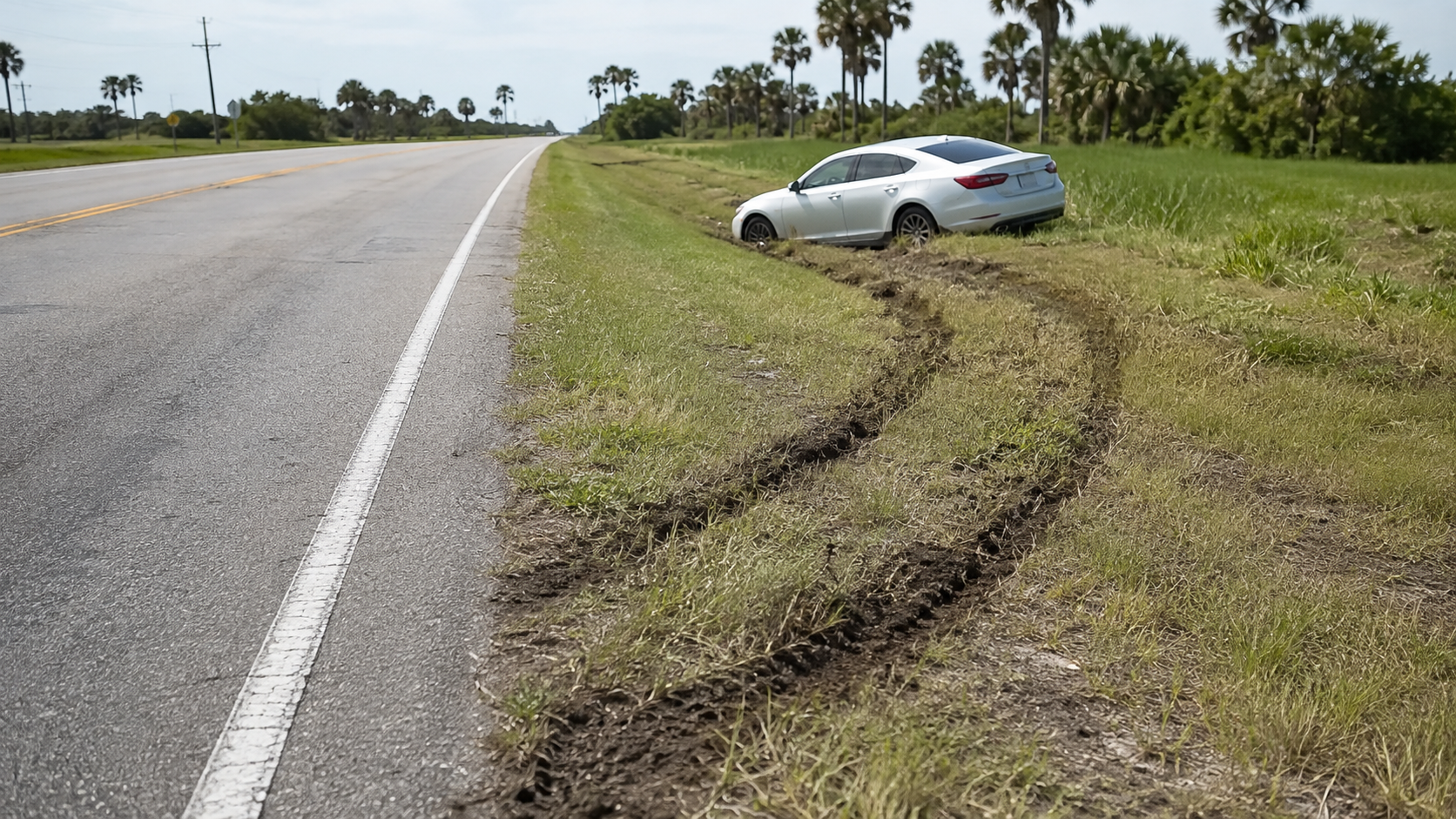
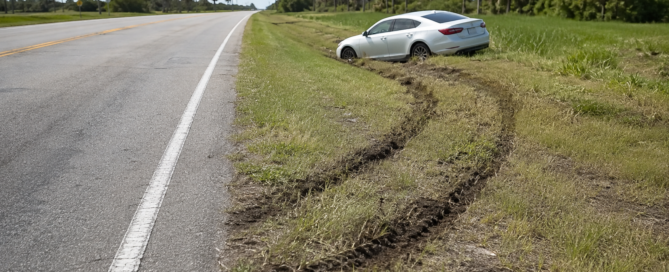
An overcorrection accident claim often begins with a simple description: a tire dropped from the pavement, the driver steered back, and the vehicle crossed lanes, rolled, or struck another car. That shorthand leaves out the most important issue—why the first departure happened and what the physical evidence says about the attempted recovery. The first movement and the recovery are different events A vehicle can leave its lane because of distraction, fatigue, speed, impairment, evasive action, tire trouble, a pavement edge, standing water, or another driver. The steering response comes later. Investigators should separate those moments instead of treating “overcorrection” as a complete cause. For example, a careful response to a sharp pavement drop may still fail, while a violent steering input on a clear road may point elsewhere. The timing between departure, braking, steering, and impact can affect responsibility among drivers, vehicle owners, maintenance providers, or roadway entities. Compare tire marks with vehicle data Curved tire marks, yaw marks, gouges, shoulder ruts, debris, and fluid trails can document direction and rotation. Photograph them from the vehicle’s approach and with fixed reference points. Record lane width, shoulder slope, pavement height, sight distance, weather, lighting, and traffic controls before the scene changes. Event data may preserve speed, brake use, throttle, steering, and restraint information, depending on the vehicle. It should be interpreted by a qualified person and compared with photographs and measurements. Data without scene context can be misleading; scene impressions without data can be incomplete. Compare driver error with a roadway problem Florida Statute section 316.089 addresses driving within a single lane and moving from it safely. Civil analysis still asks why the movement occurred and whether another condition contributed. A broken edge, unmarked work, deep [...]