The Insurance Company Keeps Asking for a Recorded Statement. Should I Agree?

If you’ve been in a car crash in Florida, chances are the phone calls start quickly. And one of the first things the insurance adjuster will ask is: “Can we get a quick recorded statement?” They’ll make it sound routine. Friendly, even. Like it’s just a box they need to check to move your claim forward. This makes you a little hesitant, and you stop to think, "The Insurance Company Keeps Asking for a Recorded Statement. Should I Agree?" The truth: a recorded statement is not a casual conversation. It’s a tool. And it’s usually requested because it can help the insurance company protect its money, not because it helps you. What a recorded statement really is, why insurers push for it, and what you can do instead: Why are they so eager to record you? Insurance companies record statements for one main reason: to lock you into a version of events as early as possible, before you know the full picture. Right after a crash, most people are dealing with adrenaline, pain, confusion, and missing information. You might not know: What the other driver told the police Whether there were witnesses If surveillance video exists What the official crash report says How serious your injuries actually are (some injuries take days or weeks to show up) But the adjuster would like you to talk now. Because once you say something on tape, it can be used later to argue that: You were partly at fault You weren’t really hurt Your pain started “later” (so it must not be from the crash) Your treatment was “unnecessary.” Your story “changed.” Even innocent, normal-sounding phrases can be twisted. The “gotcha” questions adjusters love Recorded statements often start with [...]
The Crash Was Partly My Fault. Do I Still Have a Case?

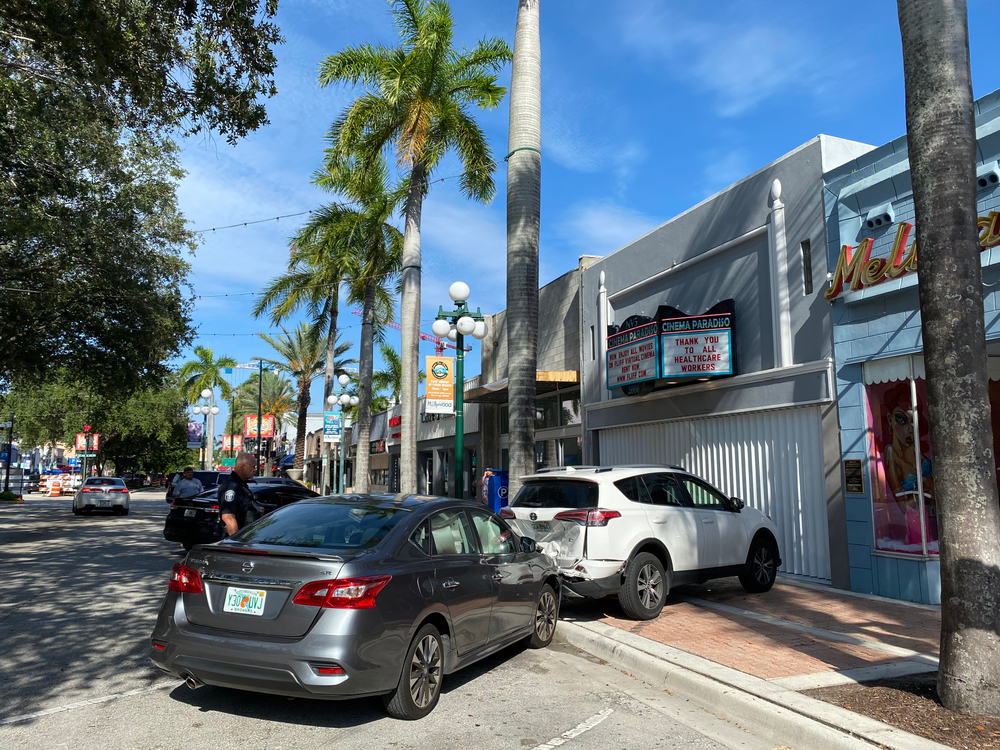
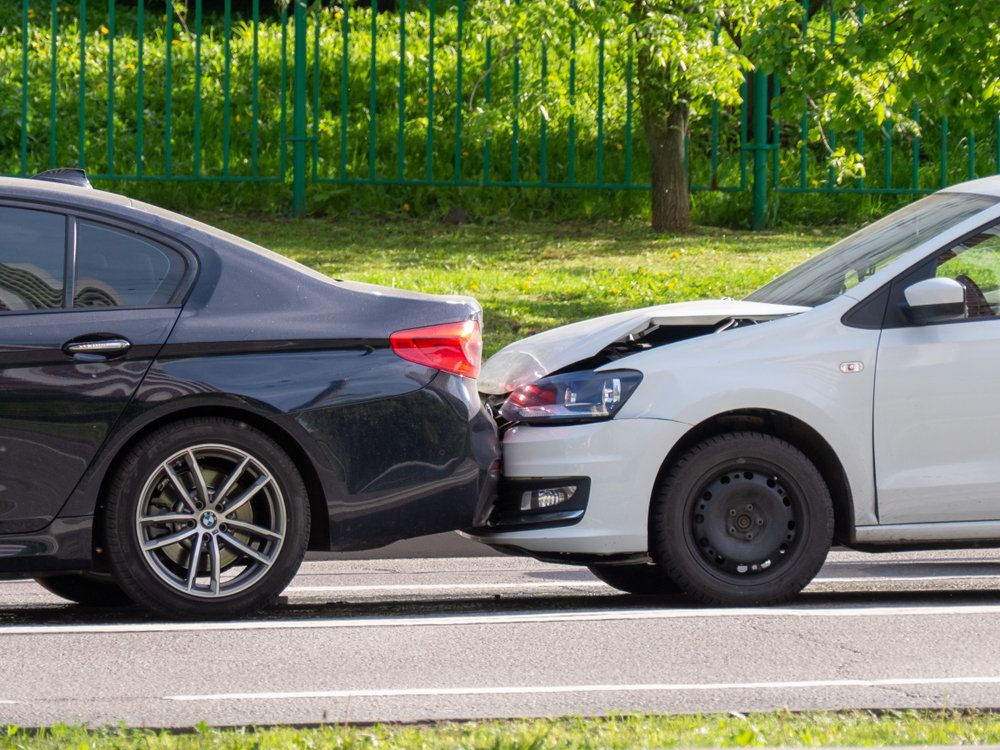
If you’ve ever walked out of a car after a crash and thought, “I shouldn’t have been there,” or “I probably could’ve done something different,” you’re not alone. A lot of good people blame themselves immediately, especially when the other driver (or their insurance company) starts pointing fingers. It gets you wondering, "The Crash Was Partly My Fault. Do I Still Have a Case?" Here’s the short version: being partly at fault does not automatically wipe out your right to recover. In many states, the law recognizes something simple and fair: sometimes more than one person contributes to a wreck. When that happens, responsibility can be split. What that means in real life, and why it matters to your case: Crashes rarely happen in a perfect vacuum. Maybe you were going a little too fast, but the other driver ran a red light. Maybe you changed lanes, but they were texting and never hit the brakes. Maybe you hesitated at a left turn, but they were tailgating so close you couldn’t see their headlights. Shared fault laws exist because real life is messy. The legal system tries to account for that by asking: who contributed to the crash, and by how much? That’s where negligence and fault percentages come in. How negligence is split in many states Most states use some version of “comparative negligence” or “contributory negligence.” The names sound technical, but the idea is straightforward. Comparative negligence (the most common approach) In many states, you can still recover money even if you were partially at fault. The catch is that your recovery may be reduced by your percentage of fault. Here’s a simple example: Your total damages (medical bills, lost wages, pain and [...]

My Neck Still Hurts Weeks After a “Minor” Car Crash. Is That Normal?

A lot of people come into our office and say some version of the same thing: “It was just a fender-bender. The cars barely look damaged. But my neck is still killing me weeks later.” If that's you, you're not crazy, and you're not alone. Lots of people have had this happen to them and think the same thing, "My Neck Still Hurts Weeks After a 'Minor' Car Crash. Is That Normal?" Neck pain after a “minor” crash can be completely real, and it can last longer than people expect. The tricky part is figuring out when it’s a normal healing process, when it’s a sign you need more medical attention, and how to protect yourself (medically and legally) along the way.   Why your neck can hurt even when the crash didn’t look that bad: A crash doesn’t have to be dramatic to jolt your body. Your neck is basically the “shock absorber” between your head and the rest of you. When your car is hit, especially from behind, your torso moves with the seat, but your head lags for a split second, then snaps forward. That rapid back-and-forth can strain muscles and ligaments, irritate joints, and inflame nerves. Think of it like twisting an ankle stepping off a curb. The curb isn’t “a big deal,” but your body can still get hurt. And with neck injuries, the outside of the car doesn’t tell the whole story. A bumper can bounce back. Your soft tissue doesn’t. It’s very common for people to feel “okay” right after the crash and worse later. There are a few reasons for that: Adrenaline can mask pain. Your body is in “get safe” mode, not “report every ache.” Inflammation [...]

I Felt Dizzy After the Crash But Didn’t Go to the ER… Did I Mess Up My Case?

If you walked away from a crash feeling dizzy or foggy and didn't go to the ER, you're not alone. A lot of people don’t go right away for perfectly human reasons: adrenaline is pumping, you’re trying to get home, you don’t want a giant medical bill, you think you just need a nap, or you’re worried you’ll look “dramatic.” But now it's got you wondering, "I felt dizzy after the crash but didn’t go to the ER… Did I mess up my case?" The good news: not going to the ER doesn’t automatically ruin a claim. But it does create a gap that insurance companies love to point to, so what you do next matters a lot. Let’s talk about why dizziness after a crash is a red flag, what delayed care means legally and practically, and how to document things now so you protect both your health and your case. Why dizziness after a crash is a big deal: Dizziness isn’t just “being shaken up.” After a collision, dizziness can be a sign of: Mild traumatic brain injury (mTBI) / concussion You don’t need to be knocked out to have a concussion. In fact, many concussions happen without any loss of consciousness. Your brain can be injured from the force of your head whipping forward and back—like Jell-O jolting inside a container. Whiplash-related vestibular problems Your neck and inner ear systems work together for balance. A neck injury can trigger dizziness, vertigo, or that “floating” sensation. Other serious issues Less commonly, dizziness can be related to bleeding, blood pressure issues, medication reactions, or other complications. That’s why getting evaluated is important. The point is this: dizziness after a crash is not something to [...]

Boating Injury in Florida: What You Should Do in the First 24 Hours

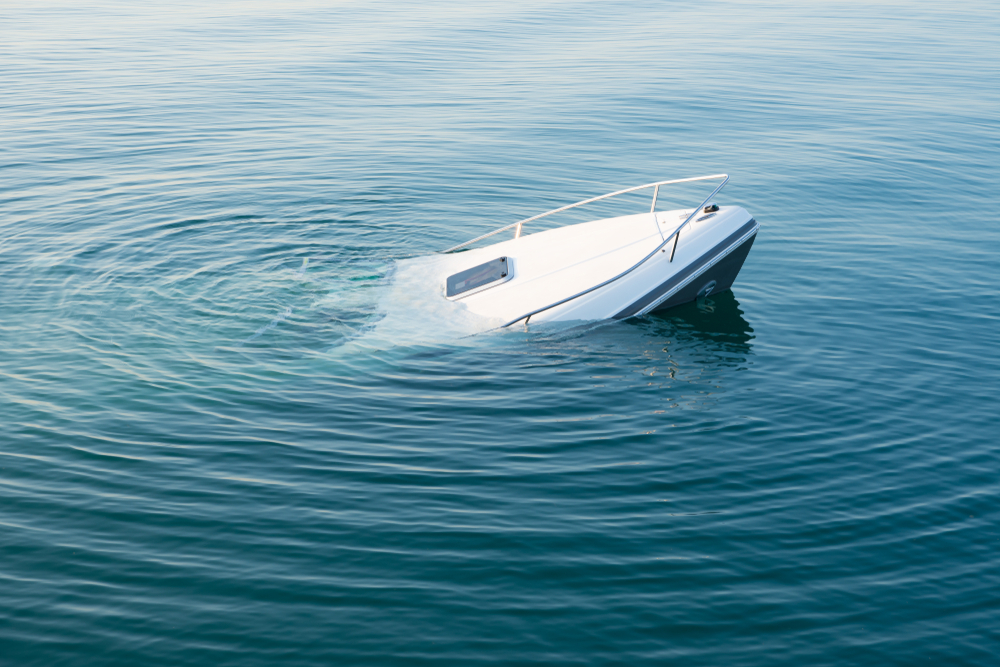
Florida water is beautiful, until something goes wrong. A sudden wake, a careless operator, a rental boat with mechanical issues, or a “we’re just having fun” moment that turns into an emergency. Then you find yourself searching, "Boating injury in Florida: What You Should Do in the First 24 Hours." If you or someone you love is hurt on the water, the first 24 hours matter. Not because you’re “building a case” while you’re bleeding, but because the steps you take now can protect your health and prevent the other side from rewriting what happened later. Here’s what I tell people to focus on in that first day. 1) Get to safety and call for help early on, not later. Your first job is survival, not documentation. Get everyone to a safe spot. If there’s a risk of sinking, fire, or severe injury, call 911 and/or the Coast Guard immediately. A lot of folks hesitate because they don’t want to “cause trouble.” On the water, waiting can turn a manageable injury into a dangerous one. Also, official help creates a timeline. In injury claims, timelines matter. 2) Seek medical care the same day, even if you think you’re “fine.” Boating injuries are notorious for delayed symptoms. The body masks pain when you’re stressed. Then later, sometimes that night, your neck locks up, your ribs ache when you breathe, or you realize your head doesn’t feel right. Common boating-related injuries our firm has seen include: Head injuries and concussions from impacts or falls Broken bones and deep bruising from hitting rails, seats, or the deck Propeller injuries (these are emergencies—treat them like it) Back/neck injuries from sudden jolts Lacerations and infections (water + open wounds = [...]

Go to Top