How Do I Know If My Injuries Are “Serious Enough” to Talk to a Lawyer?

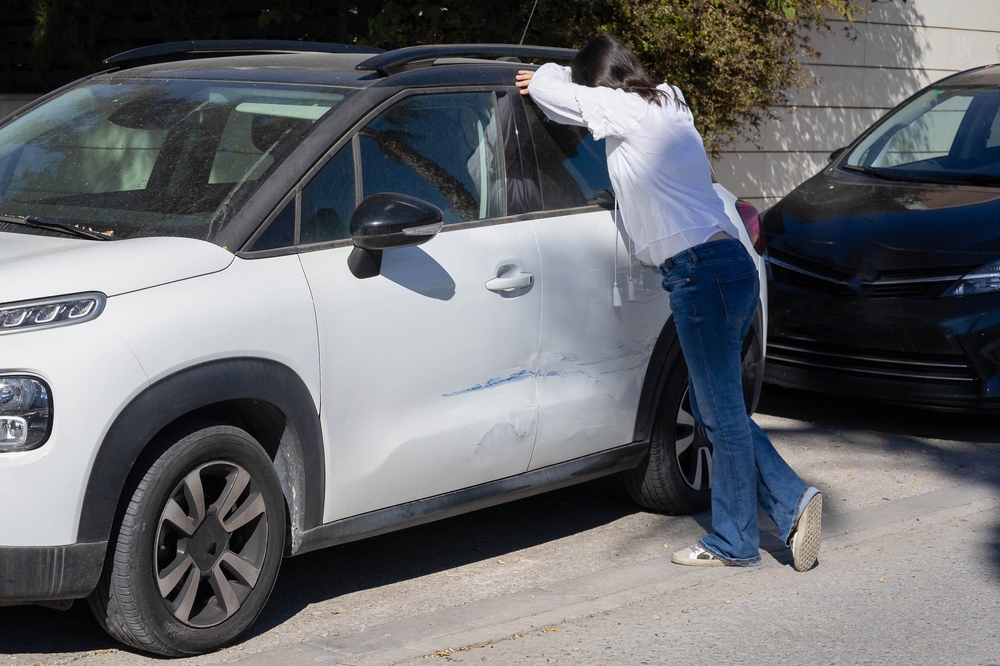
If you’ve been in a crash or a fall, there’s a moment a lot of people hit, usually sometime between the urgent care visit and the first insurance phone call, where they think: "How do I know if my injuries are serious enough to talk to a lawyer?" Here’s the truth: “serious enough” isn’t about being tough. It’s about whether your body is still paying the price, and whether the insurance company is already building a file that could shortchange you later. At Tucker Law, our firm talks to people frequently who waited because they didn’t want to bother anyone, then found out their “minor” injury was a herniated disc, a torn shoulder, a concussion, or a knee injury that needed surgery months later. If you’re on the fence, this article will help you spot the red flags. The Big Myth: “If I Can Walk, I’m Fine” Adrenaline is a sneaky liar. Right after a collision or a fall, your body can mask pain. You may feel “okay” that day, then wake up two days later feeling like you got hit by a truck. That delay doesn’t mean you’re exaggerating; it’s common. If your symptoms aren’t clearly improving week to week, or if they’re getting worse, that’s a sign to seek guidance. What “Serious Enough” Usually Looks Like. You don’t need a cast or an ambulance ride to justify a lawyer call. In real life, these are the signs we pay close attention to: 1) Ongoing pain that doesn’t resolve If it’s been more than a week or two and you still have significant pain, or pain that flares with normal activities, that’s not something to shrug off. Red flag examples: You can’t sleep normally [...]

I was Hit by a Car Riding my Bike…What do I do First

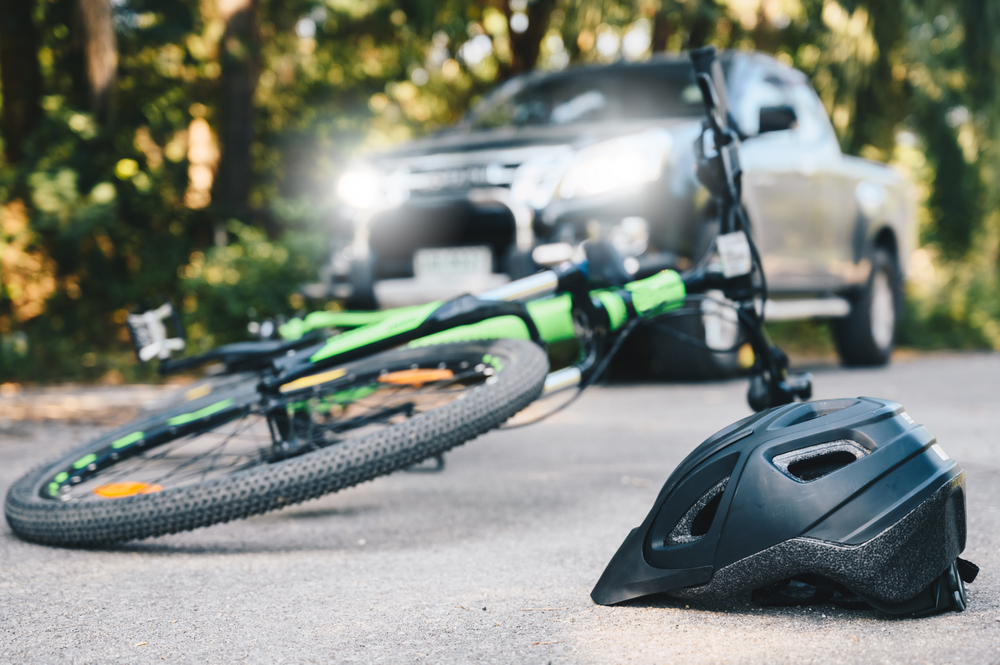
You’re riding your bike like you always do, but today was different because you find yourself calling a close friend or family member to say, "I was hit by a Car Riding my Bike...What do I do first?" The shock is real. The injuries can be serious. And the questions come fast: Who pays my medical bills? What if the driver says it was my fault? What if they don’t have insurance? Do I have rights even if I didn’t have a helmet? If you’ve been hit by a car on your bike, you have rights. And knowing what they are early can make a huge difference in protecting your health, your finances, and your case. 1) Your first right is medical care (and you should use it) After a bike crash, adrenaline can mask injuries. People walk away thinking they’re “okay,” only to wake up the next day barely able to move. Common bicycle accident injuries include concussions, broken bones, road rash that becomes infected, shoulder and collarbone injuries, knee trauma, and back/neck injuries. If you hit your head, black out, feel dizzy, have numbness/tingling, or severe pain. Go get checked out, even if it feels “minor,” document it. Medical records often become the backbone of any injury claim. 2) You have the right to a police report and proper documentation A crash report can matter more than people realize. It freezes key details in time: driver identity, witnesses, scene observations, and sometimes citations. If law enforcement didn’t come to the scene, you may still be able to make a report afterward, depending on your location and circumstances. But the sooner you document things, the better. If you can do so safely (or have [...]

On Vacation in Florida and Fell in a Store: Now I Have a Broken Arm. What Do I Do?

You're on vacation in Florida and fell in a store, you thought nothing of it until.... You find out you have a broken arm! It happens, and when it happens in Florida while you’re visiting, it can feel extra overwhelming because you’re not at home. You don’t know the local doctors, you don’t know the rules, and you’re probably staring at a cast thinking, “How am I supposed to deal with this from out of state?” Here’s what to do, step-by-step. 1) Get medical care immediately (and document the broken arm) A broken arm isn’t a “wait and see” injury. If you haven’t already, go to an urgent care or ER and get proper imaging and treatment. If you already went and came back, keep everything: Discharge paperwork X-ray/imaging reports Doctor instructions Prescriptions Bills and receipts (including copays, braces, slings, and medications) Even if you’re thinking, “It’s obvious my arm is broken,” insurance companies still lean heavily on medical records. Your treatment timeline matters. 2) Tell the store and get an incident report—before you leave town If you fell in a store, you want a written incident report from the manager or the corporate process. Be calm and direct. Give the basics: Date and time Where it happened (aisle, entrance, restroom, etc.) What you slipped/tripped on (liquid, debris, uneven flooring, curled mat, clutter) That you were injured and sought medical care   Ask for: A copy of the incident report (some stores won’t give it, but ask anyway) The name/title of the person you spoke to The store number/location Any claim number if they open one If they won’t give you a copy, take a photo of the manager’s business card or write down their [...]

Visiting Florida and Crashed Your Rental Car? Here’s What to Do Next (Without Making It Worse)

You're visiting Florida and crashed your rental car....You came to Florida for sunshine, beaches, maybe a theme park, or a weekend getaway. You didn’t come to trade your flip-flops for a tow truck and an insurance adjuster, but here you are. Rental car crashes happen every day, especially in high-traffic areas with unfamiliar roads, sudden rain, aggressive lane changes, and drivers who don’t realize the “exit only” lane becomes “surprise left turn now.” If you’re visiting Florida and you get into a car accident in your rental, the next few hours matter. Not because you need to panic, but because it’s easy to make innocent mistakes that can cost you money, medical care, and, if you’re hurt, the ability to recover what you’re owed. Here’s what I tell people to do, step by step, after a Florida rental car accident. 1) Get safe first, then get help If you can move, get yourself and your passengers out of danger. Florida roads can be chaotic, and a minor crash can turn into a major one if another driver hits you while you’re stopped. Call 911 if: anyone is hurt (even “just sore”) airbags deployed Cars are blocking lanes the other driver is acting impaired, aggressive, or won’t cooperate Even if the crash feels “small,” a police response can make a big difference later when stories change. 2) Don’t “tough it out” medically Vacation adrenaline is real. People walk around Disney or South Beach feeling “fine,” then wake up the next morning barely able to turn their neck. If you have pain, dizziness, headaches, numbness, or you simply feel off, get checked out. Go to urgent care or an ER if needed. If it’s a serious crash, [...]

Is It a Bad Idea to Post Gym or Vacation Pictures While I’m Still Injured?

You're in the middle of your injury claim, and you're wondering: "Is it a bad idea to post gym or vacation pictures while I’m still injured?" If you’re dealing with an injury after a crash or fall, your life doesn’t stop. You still have friends, family, and a phone that automatically tries to turn every moment into a highlight reel. And at some point, almost everyone asks the same question: “Is it going to hurt my case if I post this?” The honest answer: it can. Not because it’s “illegal” to live your life, and not because you’re doing something wrong by smiling in a photo. But because insurance companies love a good screenshot—especially one that lets them twist the story. Think of social media like a window into your case. You may see one afternoon. They’ll try to sell it as your whole life. Why insurers care so much about your posts: Insurance adjusters and defense lawyers are trained to look for anything that helps them pay less. And social media is a gold mine because it’s informal, out of context, and easy to misinterpret on purpose. A few common examples we see: 1) The “gym photo” problem You post a mirror selfie at the gym. Maybe you were there doing light rehab work, walking on a treadmill, or following a physical therapy plan. To you, it’s progress. To them, it’s: “See? They’re fine.” Even worse, the photo doesn’t show what happened after—like needing ice packs, pain meds, or being stuck on the couch for two days because you flared things up. 2) The “vacation picture” trap People take trips they had planned months earlier. Sometimes they travel because they need help from family. [...]

Go to Top