Tucker Law Footer Image
Call 1-800-TUCKERWINS

My Car Is Totaled but I Feel “Mostly Fine” Should I Even See a Doctor?

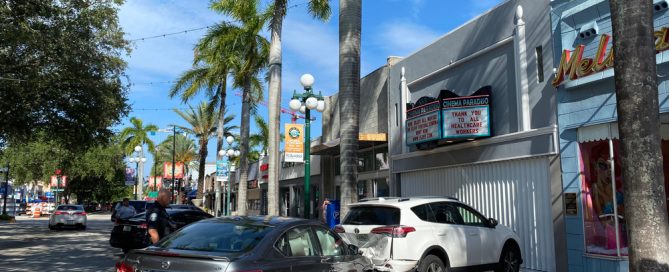
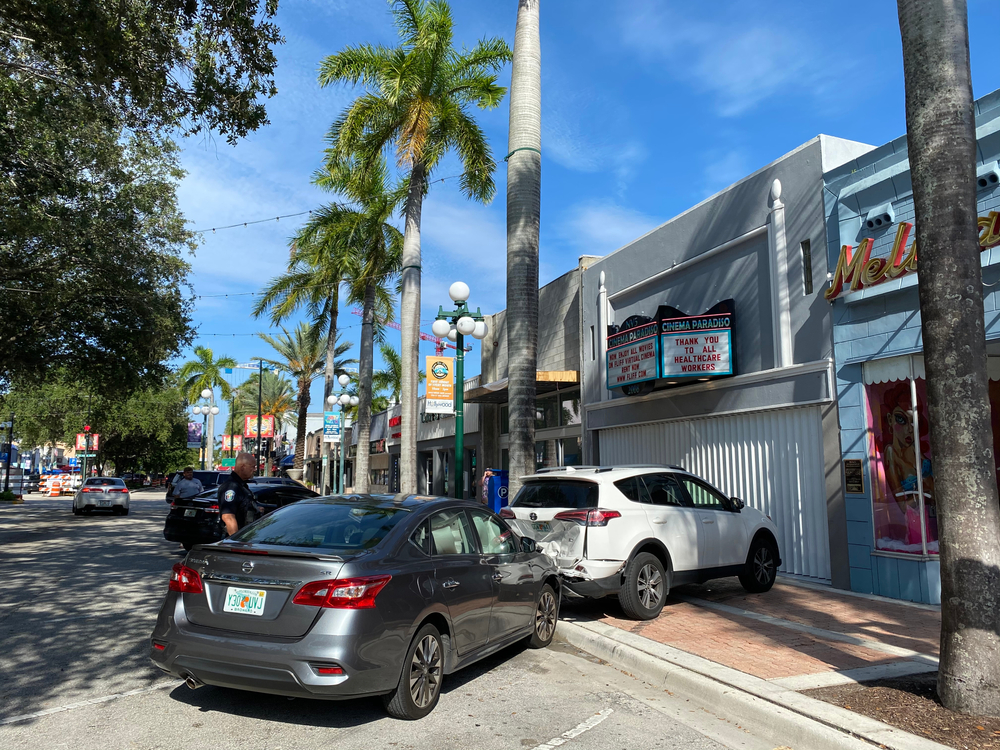
It’s a strange moment: you’re standing on the side of the road staring at what used to be your car, and it looks like a soda can someone stepped on. The airbags went off. The tow truck is on the way. Everyone keeps asking if you’re okay. And you say the same thing most people say: “Yeah… I think I’m fine.” But then you start thinking, "My car is totaled, but I Feel Mostly Fine. ' Should I Even See a Doctor?" Here's the thing: if your car is totaled, your body took a meaningful hit, even if you don’t feel it yet. The better question isn’t “Do I feel pain right now?” It’s “Could I be hurt without realizing it?” Because after a serious wreck, that’s common. Why you can feel “fine” after a major crash (and still be injured): After a collision, your body dumps adrenaline and stress hormones into your system. It’s like your brain hits the “emergency override” button. You may feel unusually calm. You may feel shaky. You may feel sore, but not “hurt.” That’s not toughness, that’s biology. The problem is that adrenaline wears off. Pain often doesn’t show up until later that day, the next morning, or a few days after the crash. We see this all the time with: Neck and back injuries (whiplash-type strains, disc flare-ups) Shoulder and knee injuries from bracing on the wheel or dashboard Concussions and mild traumatic brain injuries (headaches, dizziness, brain fog) Rib and chest injuries from the seatbelt or airbag Soft tissue injuries that don’t scream on day one but get louder over time Think of it like dropping your phone. Sometimes the screen looks fine… until you try to [...]


My Back Started Hurting Days After the Accident… Will Insurance Believe Me?

It happens all the time: you walk away from a crash thinking, “I’m sore, but I’m okay.” Then a day or two later, or even a week later, your lower back tightens up like a vise. Getting out of bed feels like a math problem. Sitting too long hurts. Bending, twisting, lifting… suddenly everything is on the table. And right after that pain shows up, the next thought hits: "uh oh, My Back Started Hurting Days After the Accident… Will Insurance Believe Me?" If you’re in that spot, you’re not alone. And yes, insurance companies often push back on delayed pain. But delayed onset back pain is real, common, and medically explainable. The key is how you handle it from the moment you realize something isn’t right. Why back pain can show up days later Not every injury announces itself at the scene. Adrenaline is powerful. In the hours after a wreck, your body is in “get through it” mode. Stress hormones rise. You’re focused on the tow truck, the police report, your kids in the back seat, the shock of what just happened. Pain gets muffled. Then there’s inflammation. Soft tissue injuries, sprains, strains, irritated discs, muscle spasms, can develop over time. Swelling builds. Muscles tighten to protect the area. A small issue can become a big one once the body stiffens up. In other words: feeling “fine” on day one doesn’t prove you weren’t hurt. It often just means your body hadn’t cashed the check yet. Will insurance believe you? Insurance adjusters are trained to be skeptical. Not because they’re doctors, but because doubt saves money. If your pain starts days later, the adjuster may say things like: “Why didn’t you go to [...]

The Insurance Company Keeps Asking for a Recorded Statement. Should I Agree?

If you’ve been in a car crash in Florida, chances are the phone calls start quickly. And one of the first things the insurance adjuster will ask is: “Can we get a quick recorded statement?” They’ll make it sound routine. Friendly, even. Like it’s just a box they need to check to move your claim forward. This makes you a little hesitant, and you stop to think, "The Insurance Company Keeps Asking for a Recorded Statement. Should I Agree?" The truth: a recorded statement is not a casual conversation. It’s a tool. And it’s usually requested because it can help the insurance company protect its money, not because it helps you. What a recorded statement really is, why insurers push for it, and what you can do instead: Why are they so eager to record you? Insurance companies record statements for one main reason: to lock you into a version of events as early as possible, before you know the full picture. Right after a crash, most people are dealing with adrenaline, pain, confusion, and missing information. You might not know: What the other driver told the police Whether there were witnesses If surveillance video exists What the official crash report says How serious your injuries actually are (some injuries take days or weeks to show up) But the adjuster would like you to talk now. Because once you say something on tape, it can be used later to argue that: You were partly at fault You weren’t really hurt Your pain started “later” (so it must not be from the crash) Your treatment was “unnecessary.” Your story “changed.” Even innocent, normal-sounding phrases can be twisted. The “gotcha” questions adjusters love Recorded statements often start with [...]

The Crash Was Partly My Fault. Do I Still Have a Case?

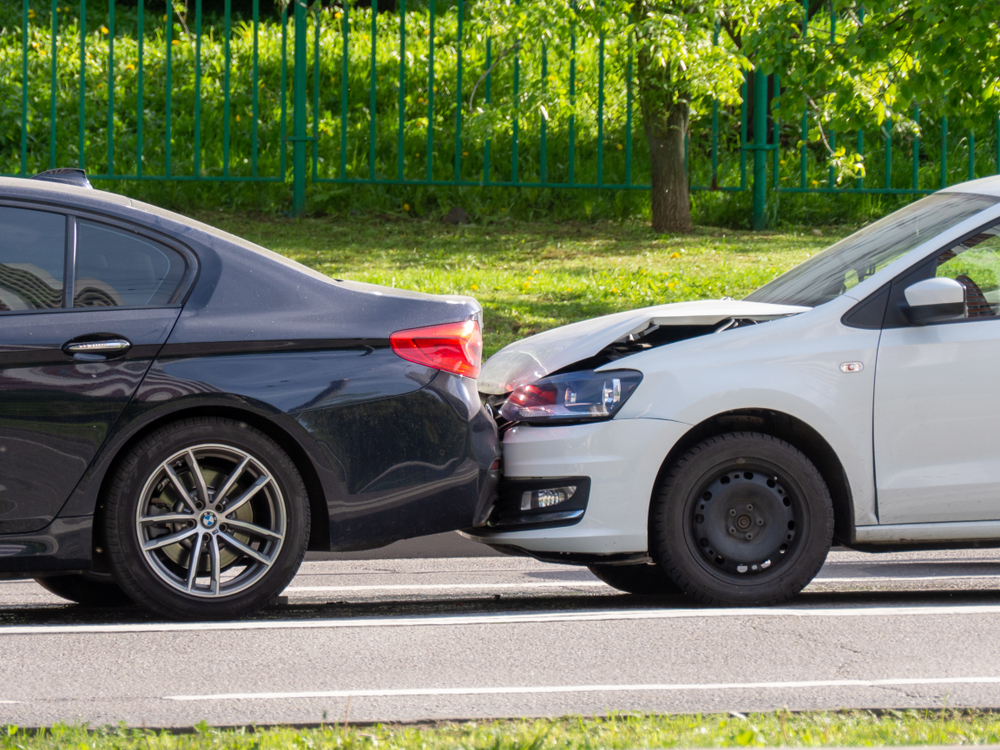
If you’ve ever walked out of a car after a crash and thought, “I shouldn’t have been there,” or “I probably could’ve done something different,” you’re not alone. A lot of good people blame themselves immediately, especially when the other driver (or their insurance company) starts pointing fingers. It gets you wondering, "The Crash Was Partly My Fault. Do I Still Have a Case?" Here’s the short version: being partly at fault does not automatically wipe out your right to recover. In many states, the law recognizes something simple and fair: sometimes more than one person contributes to a wreck. When that happens, responsibility can be split. What that means in real life, and why it matters to your case: Crashes rarely happen in a perfect vacuum. Maybe you were going a little too fast, but the other driver ran a red light. Maybe you changed lanes, but they were texting and never hit the brakes. Maybe you hesitated at a left turn, but they were tailgating so close you couldn’t see their headlights. Shared fault laws exist because real life is messy. The legal system tries to account for that by asking: who contributed to the crash, and by how much? That’s where negligence and fault percentages come in. How negligence is split in many states Most states use some version of “comparative negligence” or “contributory negligence.” The names sound technical, but the idea is straightforward. Comparative negligence (the most common approach) In many states, you can still recover money even if you were partially at fault. The catch is that your recovery may be reduced by your percentage of fault. Here’s a simple example: Your total damages (medical bills, lost wages, pain and [...]

My Neck Still Hurts Weeks After a “Minor” Car Crash. Is That Normal?

A lot of people come into our office and say some version of the same thing: “It was just a fender-bender. The cars barely look damaged. But my neck is still killing me weeks later.” If that's you, you're not crazy, and you're not alone. Lots of people have had this happen to them and think the same thing, "My Neck Still Hurts Weeks After a 'Minor' Car Crash. Is That Normal?" Neck pain after a “minor” crash can be completely real, and it can last longer than people expect. The tricky part is figuring out when it’s a normal healing process, when it’s a sign you need more medical attention, and how to protect yourself (medically and legally) along the way.   Why your neck can hurt even when the crash didn’t look that bad: A crash doesn’t have to be dramatic to jolt your body. Your neck is basically the “shock absorber” between your head and the rest of you. When your car is hit, especially from behind, your torso moves with the seat, but your head lags for a split second, then snaps forward. That rapid back-and-forth can strain muscles and ligaments, irritate joints, and inflame nerves. Think of it like twisting an ankle stepping off a curb. The curb isn’t “a big deal,” but your body can still get hurt. And with neck injuries, the outside of the car doesn’t tell the whole story. A bumper can bounce back. Your soft tissue doesn’t. It’s very common for people to feel “okay” right after the crash and worse later. There are a few reasons for that: Adrenaline can mask pain. Your body is in “get safe” mode, not “report every ache.” Inflammation [...]

Go to Top