How to Request Insurance Policy Limits After a Florida Injury
Before evaluating an injury settlement, it helps to know which insurance contracts may actually pay the claim. A policy number, an insurance card, or an adjuster’s statement about “available limits” does not provide the same information as a complete policy disclosure.
Florida gives an injured claimant a way to request that information before filing a lawsuit. Section 627.4137, Florida Statutes, requires a liability insurer that does or may cover a claim to respond to a written request within 30 days. The response includes a sworn statement identifying the insurer, each insured, liability limits, and coverage defenses the insurer reasonably believes are available, together with a copy of the policy. It extends to each known policy, including excess and umbrella insurance.
The purpose is practical: obtain the documents needed to ask better questions before accepting an offer or signing a release. Disclosure does not establish fault, guarantee coverage, or measure the value of an injury.
Start with the contract, not the number on the offer
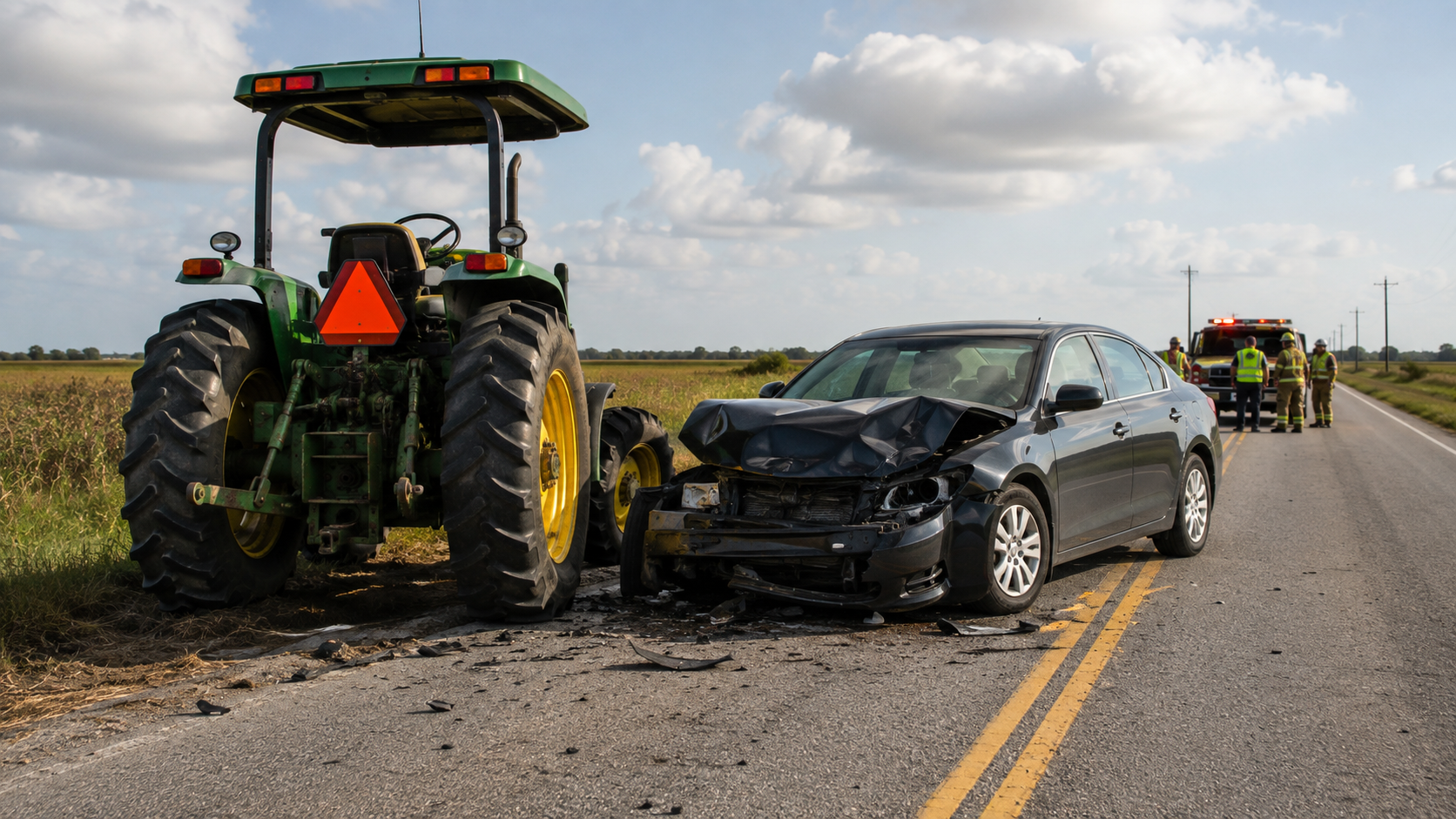
Consider a hypothetical Florida collision in which an adjuster says the driver has $100,000 in coverage. That answer leaves several issues unresolved. Is the figure a bodily-injury limit for one person or a limit shared by everyone injured in the accident? Does the policy cover the driver’s use of the car at the time? Is another insurer involved? Does an endorsement change the coverage?
Those are different questions from whether the driver caused the crash. Tucker Law’s car accident practice addresses the injury claim; reviewing the actual insurance documents helps identify the possible sources of payment.
The Florida Department of Financial Services’ automobile-insurance guide cautions consumers about vague descriptions such as “full coverage.” The same care belongs in a claim. Bodily-injury liability, property-damage liability, personal injury protection, and uninsured-motorist coverage serve different purposes. A limit associated with one coverage should not be treated as the limit for all of them.
| Document | What to look for |
|---|---|
| Declarations page | The policy period, listed insureds, selected coverages, limits, and forms or endorsements identified on the page. |
| Complete policy and endorsements | The definitions, insuring agreement, exclusions, conditions, and amendments that determine how the listed coverage operates. |
| Sworn disclosure statement | The insurer’s required disclosure about known policies, insureds, limits, and its identified coverage defenses. |
Reading the documents together can reveal a missing endorsement, a policy period that does not match the incident, or a response that addresses only one of several potentially responsible parties. A declarations page is useful, but it should not end the review.
A written request creates a record worth keeping
A useful request identifies the claimant, the incident date, the insured person or business if known, and any available claim or policy number. It should clearly request the statutory disclosure and complete policy, including endorsements. Preserve the request, attachments, delivery evidence, and the response in one place. A phone conversation may help locate the right claims department, but it should not replace the written request.
Where the carrier is unknown, the statute also requires the insured or insurance agent, upon written request, to identify known insurers and coverage and forward the request to affected insurers. The insurer then has 30 days from receipt to supply the required information. A request to a self-insured corporation under this section must be sent by certified mail to its registered agent.
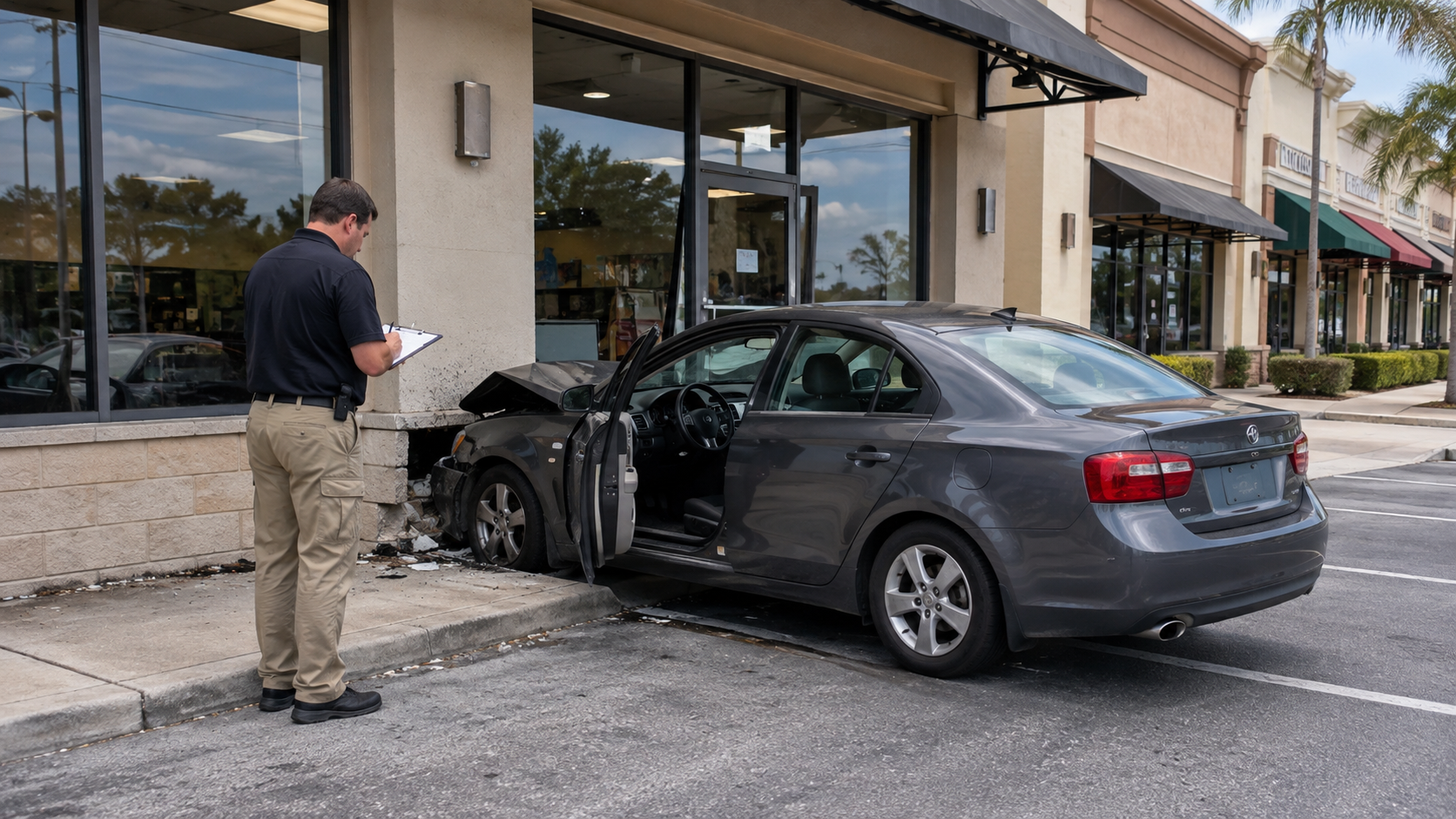
Correct routing matters. The business name on a storefront may differ from the insured entity. The company name on a truck may differ from the vehicle owner or employer. An attorney can investigate those relationships while seeking the insurance information. In a commercial-truck injury claim, that investigation can help determine whose coverage needs to be examined without assuming that every company associated with the shipment is liable.
Read a coverage defense as a position to investigate
A disclosure may identify an exclusion, dispute whether someone qualifies as an insured, or question whether the activity falls within the policy. That is the insurer’s position at that stage. It is not a court ruling.
The next task is to compare the stated defense with the actual policy language and the evidence. If the insurer relies on an endorsement, is that endorsement included? If the dispute concerns the driver’s activity, what do employment records, trip information, or witness accounts show? If the named insured appears wrong, is there another policy or insured entity to investigate?
The statute requires an immediate amendment when newly discovered facts call for one. Keep later disclosures alongside the original so changes remain visible. Avoid treating an early response as a permanent answer when the factual investigation is still developing.
The disclosure deadline is not a settlement deadline
The 30-day response period should not be confused with a requirement to pay the injury claim within 30 days. Sending a disclosure request also does not, by itself, establish entitlement to policy limits or make the insurer directly responsible for the accident.
Florida’s nonjoinder statute, section 627.4136, generally requires a noninsured claimant to obtain a settlement or verdict against an insured on a covered cause of action before maintaining an action against the liability insurer. Access to coverage information and the right to sue the insurer are separate matters.
A late or incomplete disclosure deserves a documented follow-up, but it does not automatically establish bad faith or unlimited coverage. Section 624.155 contains separate requirements for bad-faith claims, including a 90-day liability-claim tender provision triggered by actual notice accompanied by sufficient supporting evidence. It also states that mere negligence alone is insufficient and addresses good faith in furnishing information, making demands, and setting deadlines. The effect of a particular delay requires analysis of the applicable law and claim history.
Meanwhile, continue preserving incident evidence and evaluating the deadline for the underlying injury lawsuit. Do not assume that waiting for insurance documents pauses that deadline.
Use the answer before signing the release
A complete response may show that further coverage investigation is needed. It may also confirm that the available liability coverage is limited. Neither conclusion replaces an assessment of medical needs, lost earnings, causation, and the other evidence supporting the claim.
After a motor-vehicle crash, the injured person’s own uninsured or underinsured motorist coverage may require separate attention. Section 627.727(6) provides a notice procedure for certain proposed liability settlements when an underinsured-motorist claim remains. Obtaining the other driver’s policy is not a substitute for complying with that procedure. Tucker Law’s article on stacked and non-stacked Florida UM coverage explains why the injured person’s own insurance documents can matter too.
If an insurer has offered a settlement and the coverage picture is still unclear, bring the offer, proposed release, policy documents, and claim correspondence to a free personal injury case review with Tucker Law. The useful question is not simply how large the first offer is. It is whether the documents support an informed decision about which claims and rights the release would resolve.