Your Used Car’s Airbag Was Replaced Years Ago. NHTSA Says Check It Now.
The dangerous part may have entered the car years before the crash that exposed it.
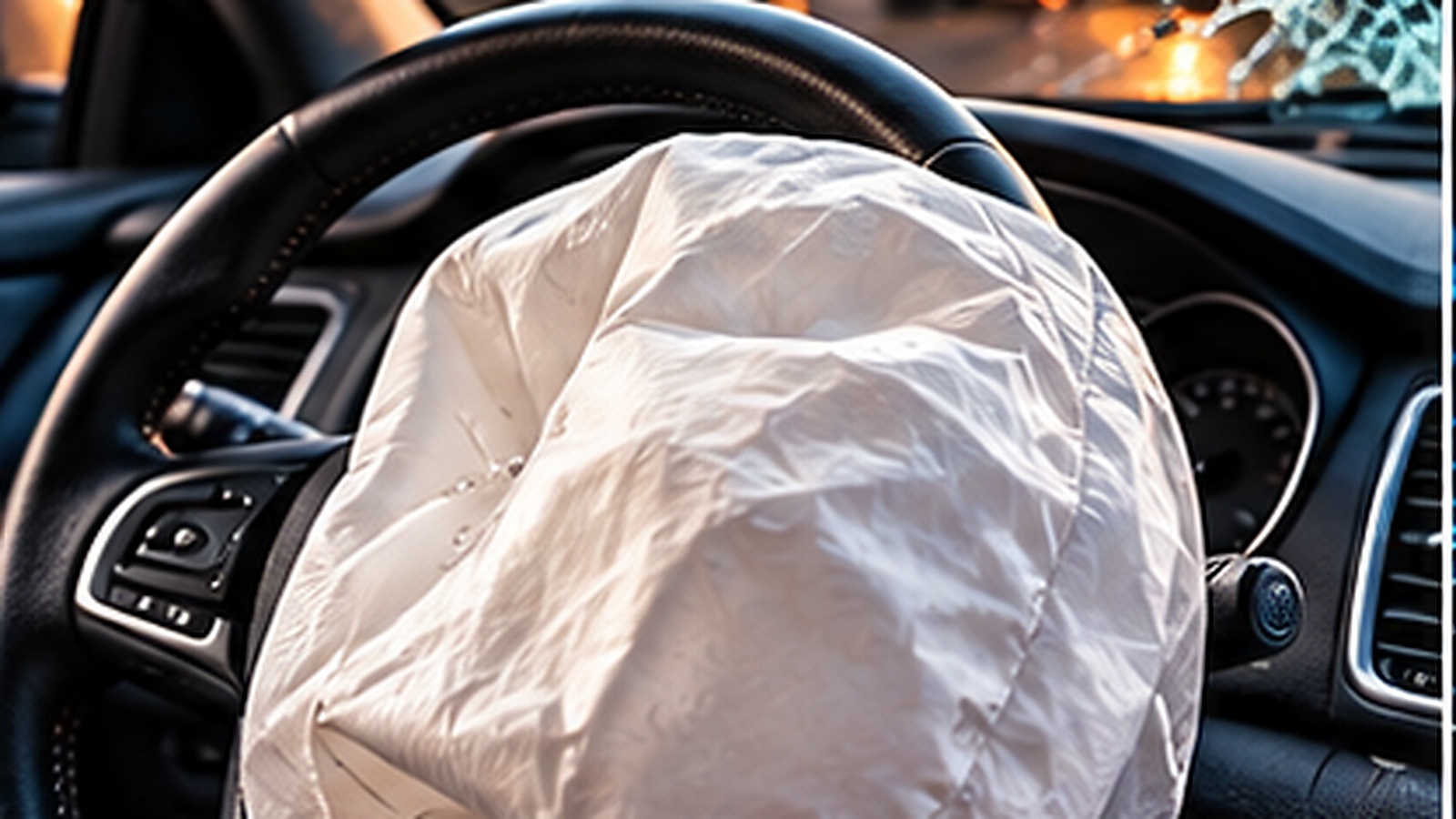
A vehicle is damaged. Its driver-side airbag deploys. During the repair, someone installs a replacement module or inflator. The vehicle is later sold, perhaps more than once, and looks fully restored. Then another collision occurs. Instead of cushioning the driver, the replacement inflator ruptures and sends metal fragments into the passenger compartment.
On September 3, 2026, the National Highway Traffic Safety Administration updated an urgent consumer alert after learning of an eleventh U.S. death involving banned replacement inflators marked DTN60DB. NHTSA now reports 14 known crashes involving 11 deaths and three severe injuries. The newest fatality followed an August 27 crash involving a 2018 Chevrolet Equinox. The agency described that collision—and the other fatal events—as otherwise survivable.
For Florida drivers, the warning creates two immediate questions. Is the part hidden in the steering wheel? And if it fails, how can anyone reconstruct the chain that put it there?
The first crash created the opportunity for the defect
These are not original-equipment airbags installed when the vehicle was built. NHTSA’s April 29, 2026 final decision concerned frontal driver inflators likely imported illegally and installed as aftermarket equipment. At least ten of the twelve incidents known when the decision was issued involved vehicles whose original airbags had deployed in earlier crashes and were replaced afterward.
That history changes the investigation. A claim cannot focus only on the vehicle manufacturer and the final collision. It must travel backward to the earlier loss, the body shop, the parts order, the insurer’s estimate, the salvage or auction records, and every later sale.
The current list of known vehicles includes certain Chevrolet Malibu, Hyundai Sonata, and Chevrolet Equinox models. NHTSA cautions, however, that nothing establishes the danger is limited to those vehicles. One of the known deaths occurred in Sarasota, Florida, in June 2023.
A clean VIN result does not clear the airbag
Most drivers have been taught to enter a VIN on a recall website. That remains useful for ordinary vehicle recalls, but it does not solve this problem.
NHTSA explains that DTN60DB inflators are aftermarket equipment and are not linked to the vehicle’s VIN. The government does not have a complete list of affected vehicles or even a reliable count of how many suspect inflators entered the country. Because the parts were likely imported outside lawful channels, NHTSA says a traditional VIN-based recall is unlikely.
A search showing no open recall therefore does not establish that the driver-side airbag contains genuine replacement equipment. The vehicle’s history and a professional physical inspection do different work. A history report may reveal a prior crash, total-loss event, theft, airbag deployment, or repair outside a manufacturer-certified facility. Only a qualified inspection can identify the component actually installed.
NHTSA’s current consumer guidance says drivers should not open the steering wheel or attempt this inspection themselves. Airbag systems contain pyrotechnic devices; mishandling can cause a deployment and severe injury. A manufacturer’s dealership or reputable independent technician can use NHTSA’s guidance to inspect the system safely.
The marking matters, but the entire module is evidence
The banned inflators carry the identifier DTN60DB. NHTSA also identifies connector-side barcode sequences ending in 666631 or 666633. Those markings may allow a technician to recognize a suspect part without dismantling it further than necessary.
After an injury, however, identification is only the beginning. The complete airbag module, inflator pieces, steering-wheel components, wiring, control module, and crash-damaged vehicle may all bear on what happened. A destructive inspection performed by one side alone can create avoidable disputes. A sound evidence protocol gives interested parties notice, photographs the component in place, documents each step, and maintains chain of custody for anything removed.
The first repair file can be as important as the failed part. Estimates may specify original, recycled, refurbished, or aftermarket equipment. Supplements can show that hidden damage was discovered after teardown. Invoices and purchase records may identify a supplier that a customer never knew existed. Insurer communications can reveal who approved a substitution or set the repair budget. Tucker Law’s guidance on choosing a body shop after a Florida crash explains why repair decisions and documentation matter long after the vehicle leaves the shop.
Who answers may depend on who touched the supply chain
A ruptured replacement airbag does not make every business associated with the vehicle liable. It does require a careful look at each participant’s conduct.
The installer may have selected the module, bought it from a supplier, represented it as safe, or failed to follow required procedures. A used-car dealer or rebuilder may have arranged the earlier repair, acquired the vehicle after a total loss, or made representations about its condition. A distributor or importer may have introduced the component into the stream of commerce. An auction, salvage business, insurer, or prior owner may possess records that identify the responsible actors even when it has no liability itself.
The original vehicle manufacturer presents a different question. When the failed component is unauthorized aftermarket equipment installed after a prior crash, the automaker may argue that it neither made, selected, sold, nor controlled the replacement. The evidence should identify the actual product and supply chain before assuming the original badge on the vehicle answers the liability question.
NHTSA’s final decision also matters to that inquiry. Under the federal Safety Act, a “manufacturer” includes an importer of motor-vehicle equipment for resale. The order prohibits the sale or importation of the covered inflators and requires manufacturers, including importers, to provide notice and a remedy. Those federal obligations do not automatically decide a Florida damages claim, but they explain why import and distribution records belong in the investigation.
Florida law recognizes an injury made worse by a defective product
Sometimes the defect causes the accident. An airbag case can work differently: the first impact comes from the collision, while the product failure produces an additional or far more severe injury.
Florida’s current comparative-fault statute expressly defines a products-liability action to include claims that an injury was greater than it would have been without the defective product. The same definition reaches alleged defects involving a product’s manufacture, construction, design, installation, preparation, or assembly.
That framework separates two causal questions. Who caused the car crash? And who, if anyone, is responsible for the replacement airbag turning a survivable event into a catastrophic one? The driver who caused the collision may bear fault for the underlying impact. A repair or product defendant may bear fault for the enhanced injury. The answers depend on expert analysis, medical evidence, and the history of the component.
Florida law generally allocates responsibility according to each participant’s proven share of fault. A defendant may also seek to place fault on a business that cannot be found or was never named. That makes early identification of the installer, supplier, and importer especially important.
The medical proof must distinguish impact injury from rupture injury
The physical evidence inside the vehicle should be compared with emergency records, imaging, operative reports, photographs, and pathology. Wounds from projected metal may have a trajectory and pattern different from blunt-force injuries caused by the collision itself. Surgeons may recover fragments that should be preserved rather than discarded.
NHTSA’s investigation relied on police reports, photographs, autopsy findings, and examination of marked inflator fragments to connect earlier deaths and injuries to ruptures. A civil case requires its own admissible proof, but the agency’s work shows why a complete reconstruction cannot stop with the crash report.
When the harm involves penetrating trauma, brain injury, vision loss, disfigurement, or permanent impairment, Tucker Law’s catastrophic-injury practice addresses the longer-term medical and financial consequences. A death may also present a Florida wrongful-death claim, with damages and beneficiaries governed by a separate statutory framework.
Safety and preservation must happen together
A suspected inflator should not remain in service merely to preserve evidence. NHTSA says a vehicle found to contain a DTN60DB inflator should not be driven until the part is replaced with genuine equipment. Safety comes first.
When an inspection identifies a suspect component, the owner can still document the condition before replacement. Photographs should show the markings and location. The technician’s report should identify the module and explain the procedure used. The removed component should be secured under an agreed evidence protocol when a claim is reasonably anticipated. The repair invoice, payment record, and replacement-part information should be retained.
If the airbag has already ruptured, the vehicle should be protected from sale, salvage, or destructive teardown until qualified investigators can examine it. Electronic crash data, photographs from the scene, tow-yard records, and surveillance video may disappear on different timelines. Tucker Law’s article on vanishing collision evidence explains why preservation cannot wait for the liability picture to become simple.
The repair history is now part of the safety system
A used vehicle can have a clean dashboard, a clear recall search, and a dangerous component hidden inches from the driver. The September 3 alert makes that uncomfortable fact impossible to ignore.
Anyone buying or driving a used vehicle with an uncertain crash history should review that history and follow NHTSA’s inspection guidance—especially after a prior airbag deployment, total-loss event, theft, or non-certified repair. Anyone injured by an airbag rupture should preserve both crashes: the recent event that triggered deployment and the older repair that placed the replacement component in the vehicle.
Tucker Law handles Florida car-accident claims involving complex evidence and multiple responsible parties. If an airbag ruptured or behaved abnormally during a Florida collision, contact Tucker Law before the vehicle or component is altered, released, or destroyed. The right investigation begins with the part, then follows every record backward to the person or business that supplied it.
This article provides general information and is not legal advice for any specific vehicle, repair, crash, or claim.