Railroad Crossing Crash in Florida: Which Evidence Answers the Hard Questions?
A railroad crossing accident claim may involve a driver, railroad, roadway authority, equipment contractor, property owner, or another motorist—but names should not be added merely because they are nearby. Hard questions are answered by gates and signals, sight lines, train and vehicle data, maintenance records, video, and a precise timeline.
What did the crossing devices display?
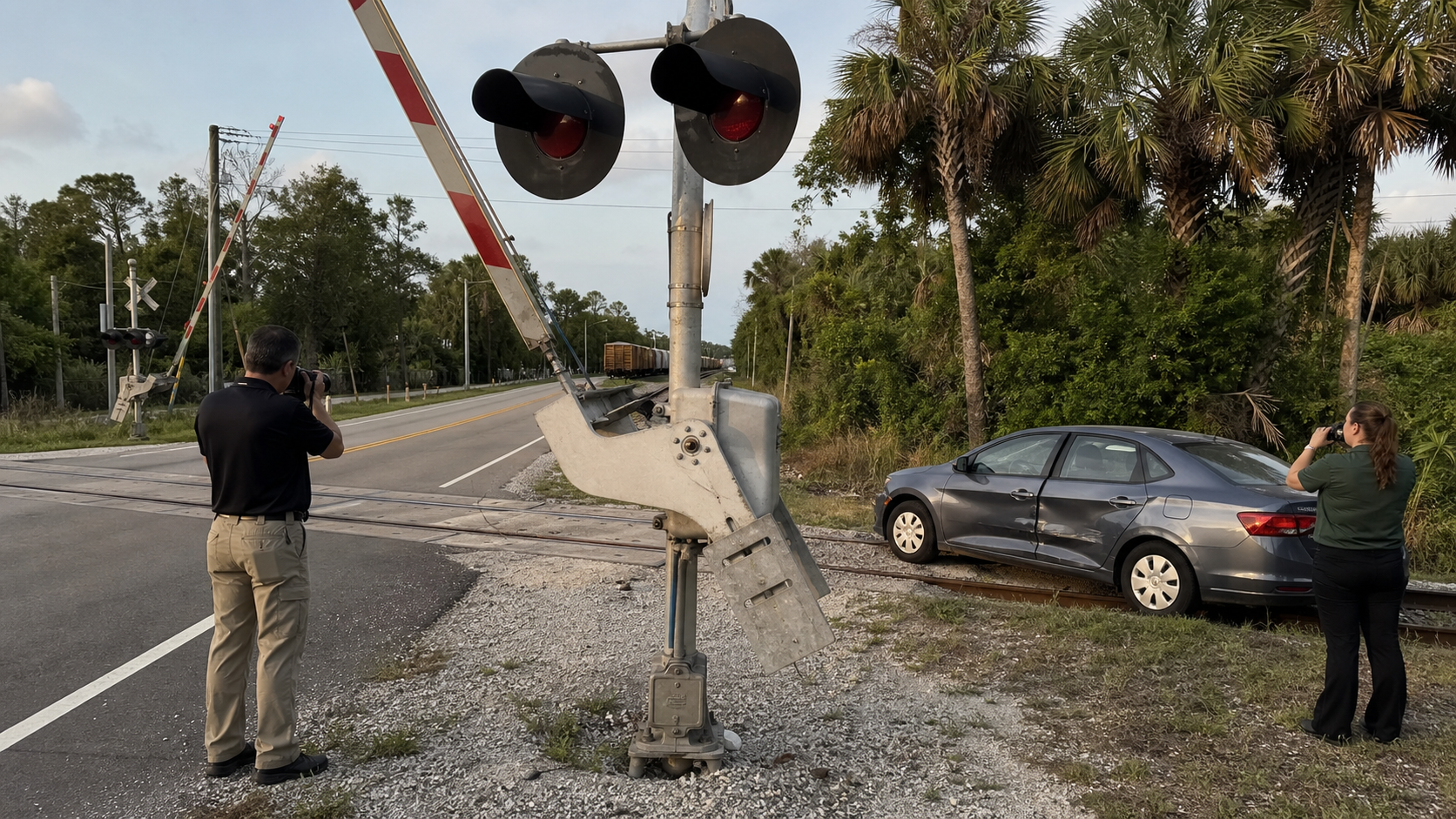
Photograph gates, lights, bells, signs, pavement markings, stop lines, and every approach. Determine whether the gate was lowered, moving, damaged, or absent. Video is more useful than a still image for showing when a warning sequence began relative to the train and vehicle.
Florida Statute section 316.1575 identifies circumstances requiring a stop and prohibits driving through, around, or under a gate while it is closed or moving. The statute provides a driver-duty framework, but evidence determines what occurred.
Could the driver see and hear the train?
Investigators document vegetation, buildings, parked rail cars, road curvature, grade, weather, darkness, window position, and interior noise. A scene inspection should use the driver’s approximate eye level and direction. Seasonal vegetation and construction can change sight lines, so early photographs are valuable.
Train horns, bells, vehicle audio, witness positions, and timing may address audibility. A witness outdoors may experience conditions differently from a driver inside a closed vehicle.
What do the records show?
Locomotive event recorders, onboard video, dispatch information, consist records, and crew reports may establish speed, braking, horn use, and movement. Vehicle event data, dash cameras, navigation history, and focused phone records may address the car’s speed, stop, throttle, and distraction. Preservation requests should be prompt.
Original files and metadata are preferable to social-media copies. Clocks should be synchronized because camera, dispatch, phone, and recorder times may differ.
Was equipment inspected and maintained?
Inspection, test, repair, malfunction, and activation records can show equipment history. A prior problem matters only if it connects to the correct device and condition. Work orders should match the crossing identification and date.
Roadway records may address signs, markings, lighting, drainage, traffic studies, and construction. Control can be divided among public and private entities. A careful claim identifies each duty before alleging failure.
Did another vehicle contribute?
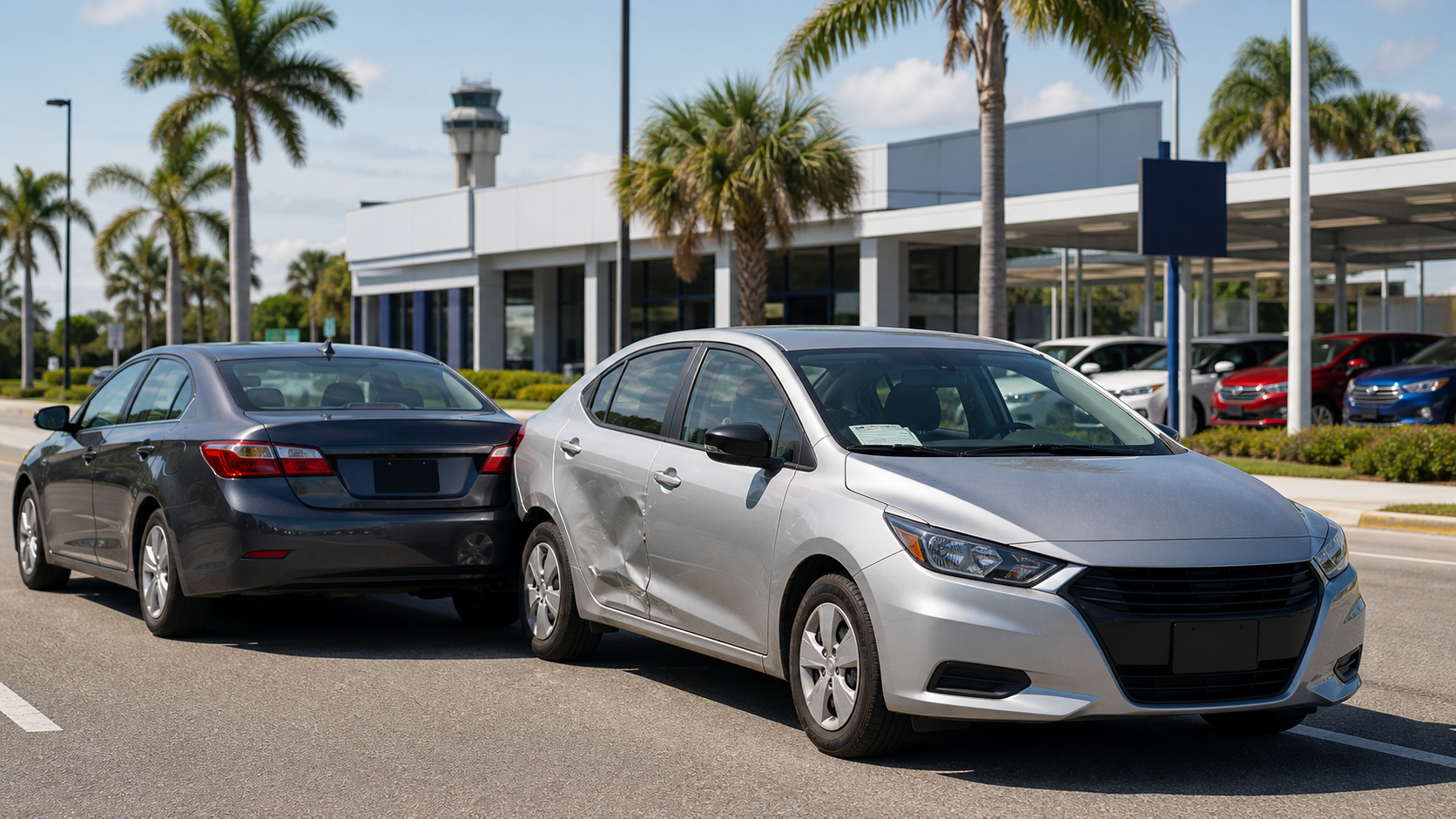
A car may become trapped when traffic stops beyond the tracks, be pushed by a rear impact, or swerve around a vehicle that stops late. Photographs of the queue, geometry, debris, and damage can reveal more than an assumption that the car simply drove onto the tracks.
If multiple vehicles are involved, TuckerUp’s chain-reaction guide can help. A no-contact vehicle may matter if it forced an evasive maneuver.
How are injuries documented?
Crossings can produce direct impact, secondary collision, abrupt evacuation, or injury while escaping danger. Medical records should accurately describe the mechanism, symptoms, treatment, and limits. Keep wage documents, travel costs, receipts, photographs, and damaged personal items.
Do not discard the vehicle or critical components before appropriate inspection when a mechanical issue is disputed. Towing and salvage records help track custody. Passengers should preserve their accounts and policies; TuckerUp’s passenger guide explains why several coverage paths may exist.
Emergency and weather records
Preserve 911 audio, dispatch logs, body-camera footage, incident reports, and first-responder identities. Their time stamps may show when a malfunction was reported, when the train stopped, and when the vehicle was removed. Synchronize these with private video.
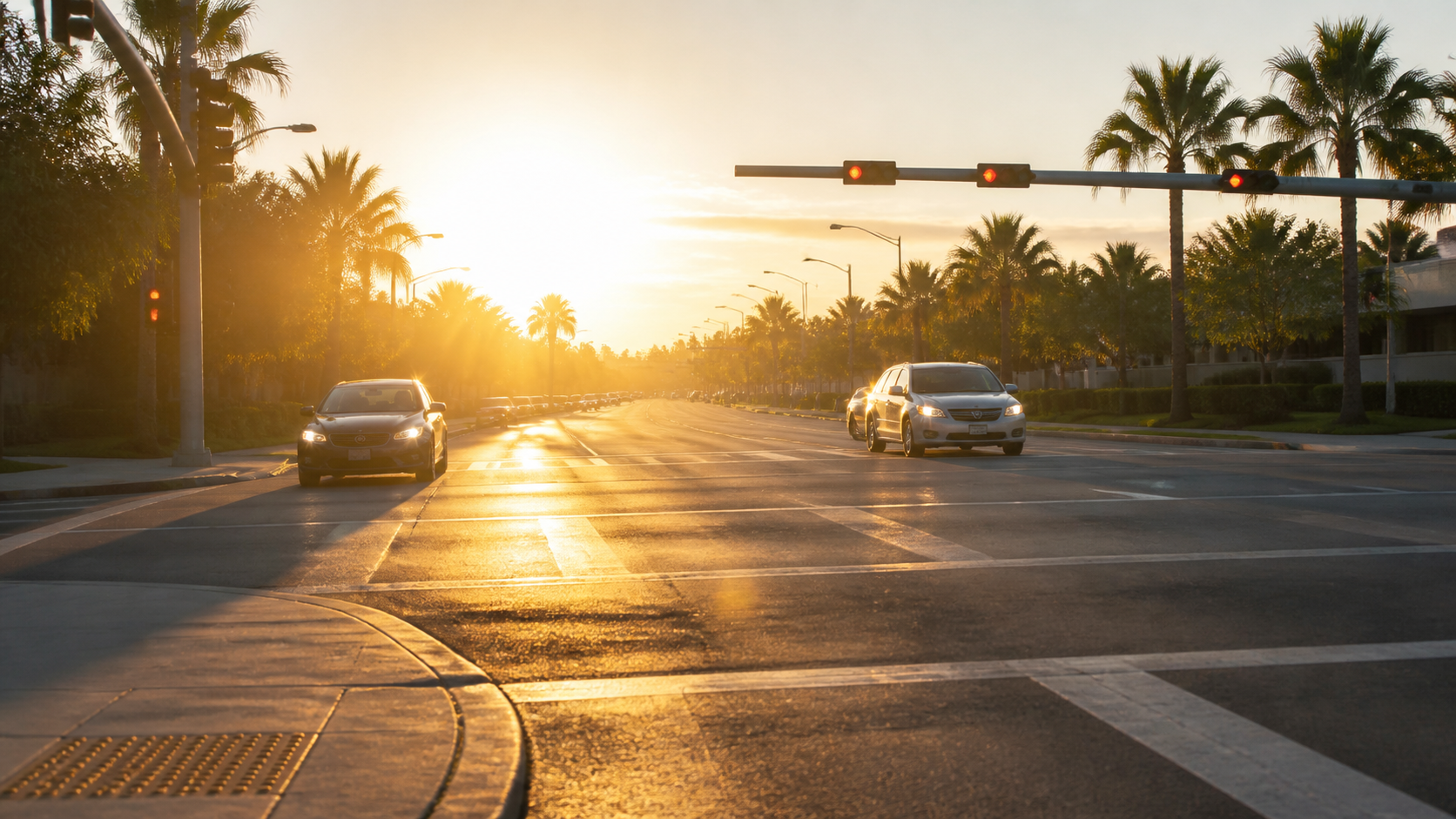
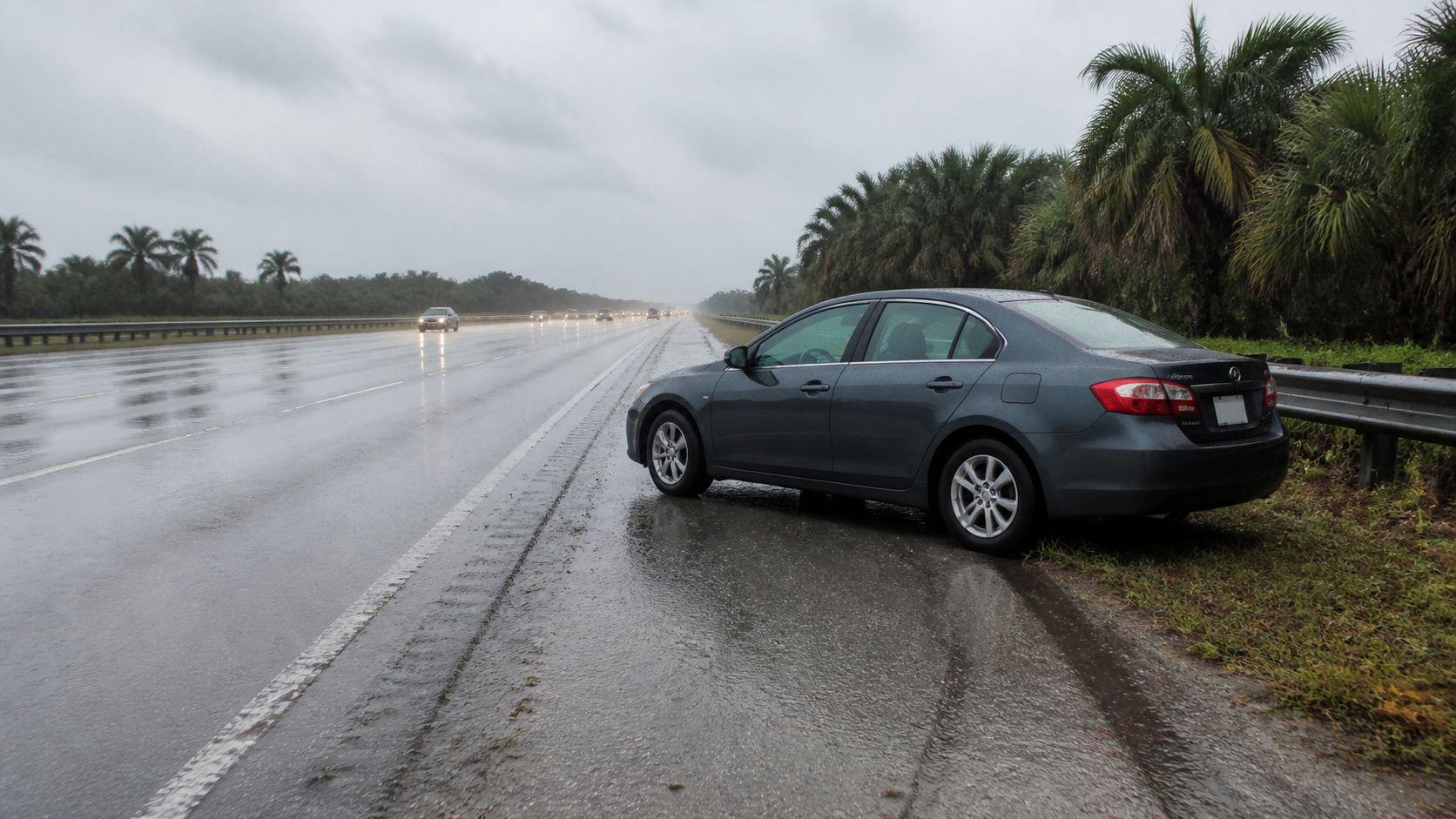
Rain, fog, low sun, darkness, and standing water may affect visibility and traction. Contemporaneous weather data can be compared with scene images without assuming that natural conditions alone caused the event.
Why a citation is not the whole case
A report or citation is part of the file, not the entire civil case. Responsibility may require analysis of driver conduct, equipment performance, maintenance, notice, causation, and comparative fault. Insurance coverage is separate. No party should be included or excluded solely from the first narrative.
Public entities may have special procedures and protections. Railroad operations may also involve federal rules. Early identification of the crossing, operator, roadway authority, and preservation recipients is important.
Building the claim
Record the crossing identification number, track count, direction, nearest intersection, and GPS location. Separate injury, vehicle damage, insurance benefits, liens, and releases. The clearest presentation answers what warnings activated, what each person perceived, how everything moved, whether equipment worked, and how injury resulted.
Tucker Law Group’s practice areas describe its services. To discuss a crossing incident, contact the firm.
Photograph the vehicle before repairs and preserve any onboard camera or navigation files. If crossing hardware or a mechanical component is disputed, give appropriate parties an opportunity to inspect it before alteration. A written evidence log identifying who collected each item, when it was stored, and whether it was copied can prevent later confusion about authenticity or condition.
This article provides general information and is not legal advice. Every matter is different, and reading this page does not create an attorney-client relationship.