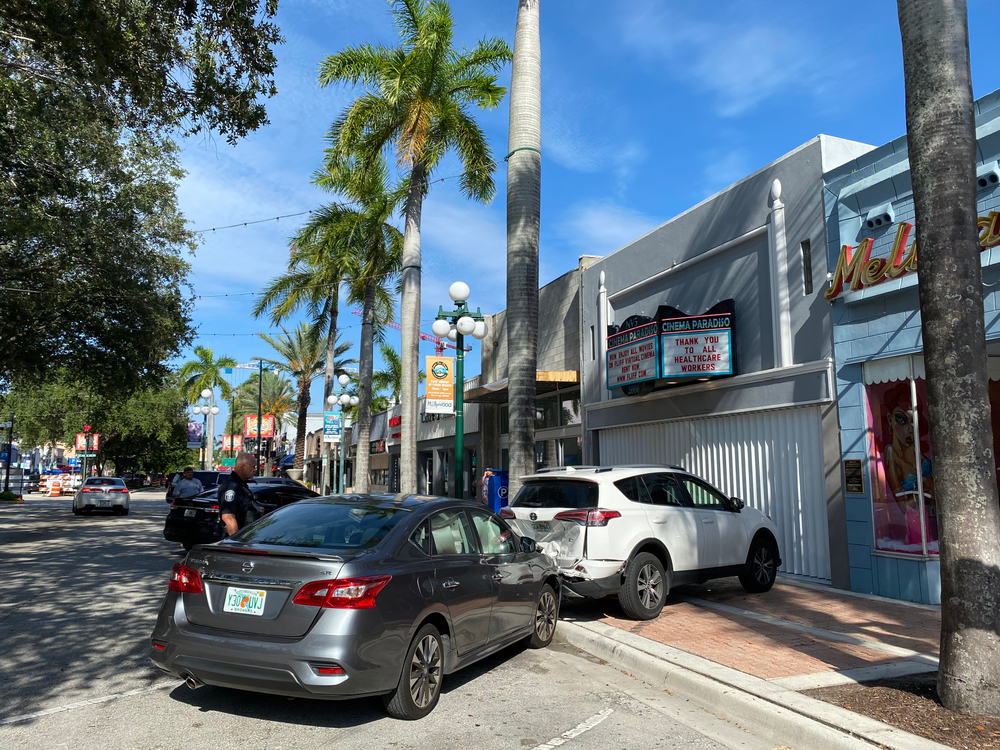
The Crash Was Partly My Fault. Do I Still Have a Case?
If you’ve ever walked out of a car after a crash and thought, “I shouldn’t have been there,” or “I probably could’ve done something different,” you’re not alone. A lot of good people blame themselves immediately, especially when the other driver (or their insurance company) starts pointing fingers. It gets you wondering, “The Crash Was Partly My Fault. Do I Still Have a Case?”
Here’s the short version: being partly at fault does not automatically wipe out your right to recover. In many states, the law recognizes something simple and fair: sometimes more than one person contributes to a wreck. When that happens, responsibility can be split.
What that means in real life, and why it matters to your case:
Crashes rarely happen in a perfect vacuum. Maybe you were going a little too fast, but the other driver ran a red light. Maybe you changed lanes, but they were texting and never hit the brakes. Maybe you hesitated at a left turn, but they were tailgating so close you couldn’t see their headlights.
Shared fault laws exist because real life is messy. The legal system tries to account for that by asking: who contributed to the crash, and by how much?
That’s where negligence and fault percentages come in.
How negligence is split in many states
Most states use some version of “comparative negligence” or “contributory negligence.” The names sound technical, but the idea is straightforward.
Comparative negligence (the most common approach)
In many states, you can still recover money even if you were partially at fault. The catch is that your recovery may be reduced by your percentage of fault.
Here’s a simple example:
- Your total damages (medical bills, lost wages, pain and suffering, etc.) are valued at $100,000.
- You’re found 20% at fault.
- The other driver is found 80% at fault.
- Your recovery could be reduced by 20%, meaning you may receive $80,000.
That’s the basic math. The fight is usually over the percentages.
Two flavors of comparative negligence
States that follow comparative negligence generally fall into two categories:
- Pure comparative negligence
You can recover even if you’re mostly at fault—your recovery is simply reduced by your share. - Modified comparative negligence
You can recover only if your fault is below a certain threshold (often 50% or 51%, depending on the state). If you cross that line, you may be barred from recovery.
If you’ve ever heard someone say, “If you’re more than half at fault, you get nothing,” they’re usually talking about a modified comparative negligence state.
Contributory negligence (much stricter, fewer states)
A small number of states follow contributory negligence rules, where being even slightly at fault can bar recovery entirely. It’s harsh, and it’s one of the reasons legal advice early on matters, because the story of how the crash happened becomes incredibly important.
As a lawyer in the state of Florida, I can tell you how it will reflect your case in this state:
- Florida uses a 51% bar for most negligence cases now
Florida changed its comparative negligence rule in 2023. Under Florida Statute 768.81, if you are found to be more than 50% at fault for your own harm, you generally cannot recover damages from the other side. If you are 50% or less at fault, you can still recover—but your recovery is reduced by your percentage of fault. (The Florida Senate) - Quick example:
- Your damages are $100,000.
- You’re found 20% at fault.
- Your recovery would typically be reduced by 20%, so you may recover $80,000.
But if you’re found 51% at fault, you recover $0 from the other driver under this rule. (Florida.Public.Law)
- This is separate from your PIP benefits in Florida car crashes
Florida is a “no-fault” state for the first layer of medical bills and lost wages through Personal Injury Protection (PIP). PIP generally pays regardless of fault (up to your policy limits and subject to rules/requirements). The shared-fault fight usually shows up when you’re pursuing the other driver (or other responsible parties) beyond PIP—like for additional medical expenses, lost income, and pain and suffering (when you meet Florida’s injury threshold). (How much you can recover then depends heavily on the fault percentage.) - There’s an important exception: medical negligence cases
The “more than 50% = no recovery” bar in 768.81 does not apply the same way to medical negligence claims (medical malpractice has its own rules carved out in the statute). (Florida.Public.Law) - The timing can matter
These changes came out of HB 837 and took effect in March 2023, and whether the new rule applies can depend on when the case is filed and/or when the cause of action accrued—an issue that can get technical fast. (The Florida Senate)
What this means for you, practically
In Florida, the key question isn’t “Was I partly at fault?” It’s “Could they tag me with more than 50%?” Because once the defense pushes you over that line, the case can be dead on arrival. (Florida.Public.Law)
In Florida, a shared-fault crash is one of the biggest reasons to get a lawyer involved early:
The outcome can turn on a single number. Florida follows a “modified comparative negligence” rule, which generally means your recovery can be reduced by your percentage of fault, and if the other side convinces a jury you were more than 50% responsible, you can be barred from recovering from them at all. That’s why insurance companies often push hard to shift blame onto you right away, through recorded statements, selective use of the police report, or arguments like “you didn’t see me,” “you hesitated,” or “you were speeding.” A lawyer helps protect you from those traps by preserving video before it’s deleted, gathering witness statements while memories are fresh, securing vehicle and crash data, and presenting the facts in a way that keeps fault fairly assigned. In shared-fault cases, lowering your percentage even a little can mean the difference between a reduced settlement and no settlement, so having counsel isn’t about being dramatic; it’s about not letting the insurer write the story of the crash for you.
If you’ve been told the crash was partly your fault, or you’re worried it might be, don’t count yourself out. It’s worth getting real answers based on the law and the evidence, not the gut feeling you had in the moment.
If you want to talk it through, call Tucker Law at 1-800-TUCKERWINS. Our firm will help you understand where you stand and what your options look like.