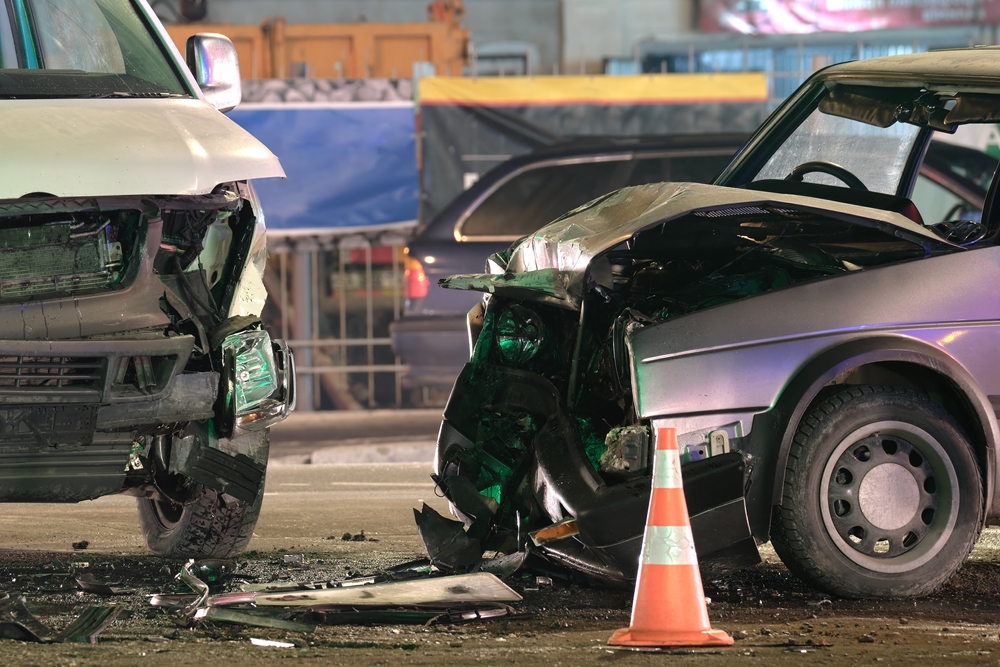
What Should I take Photos of Right After a Crash?
After a crash, your brain goes into survival mode. Your hands shake, your heart races, and suddenly you can’t remember if you already called someone or if you’re still sitting in the same spot. That’s normal. If you’re already thinking, “What should I take photos of right after a crash?” You’re already on the right track.
The truth about taking photos after a crash is simple: what you photograph in the first five to ten minutes can matter just as much as what you say in the next five to ten days. Photos can preserve the story of the wreck before the cars move, the debris gets swept away, and everyone suddenly “remembers it differently.”
I’m an attorney at Tucker Law, and we help Florida crash victims protect themselves, physically, financially, and legally. If you’re unsure what to do after a wreck, call our firm at 1-800-TUCKERWINS.
First things first: safety, then photos
Before you start documenting anything:
- Check for injuries and call 911 if anyone is hurt or if traffic is dangerous.
- Move to a safe location if you can do so without creating more risk.
- Accept medical help if offered. Adrenaline can mask injuries.
Once you’re safe or while waiting for help, your phone becomes your best witness.
The “must-have” photo checklist after a crash
Think of it like building a timeline. You want wide shots, medium shots, and close-ups. If you only take one type, the insurance company can argue they’re missing context.
1) The entire scene (wide shots)
These photos capture the overall story, from where everyone was to what the roadway looked like, as well as how traffic was flowing.
Take photos of:
- The intersection or stretch of road from multiple angles
- Each vehicle’s final position (before anything moves, if safe)
- The lanes, turn lanes, medians, and road layout
- Stop signs, traffic lights, yield signs, and speed limit signs
- Visibility issues (sun glare, trees blocking signs, curves, hills)
2) Vehicle positions and distances
Even if a car is moved later, photos of where it started can show who was where and how the impact likely happened.
Take photos of:
- Both vehicles in the same frame (showing where they are relative to each other)
- Distances to lane markings, curbs, intersections, or traffic control devices
- If there are multiple vehicles, document the order of impact (front/back positioning)
3) Damage to every vehicle (medium and close-up shots)
Insurance companies love to minimize injuries by minimizing damage. Clear photos help prevent that.
Take photos of:
- All sides of every involved vehicle (front, rear, both sides)
- Close-ups of impact points (cracks, dents, paint transfer)
- Wheel and tire positions (especially if a tire is turned oddly or blown)
- Undercarriage damage if visible (fluids, hanging parts)
4) Skid marks, debris, and “evidence on the road.”
The roadway evidence disappears fast. Rain, traffic, tow trucks, or cleanup crews can erase it.
Take photos of:
- Skid marks (start and end points if possible)
- Broken glass, plastic fragments, car parts, and debris fields
- Fluid spills (oil, coolant, fuel)
- Gouge marks or scrapes on the pavement
- Damage to guardrails, poles, fences, or signs
5) Any weather and lighting conditions
It may seem obvious in the moment, but weeks later, everyone forgets.
Take photos of:
- Rain, fog, standing water, wet roads, or poor visibility
- Sun glare direction (a quick shot facing the sun can be helpful)
- Streetlights, if the crash happened at night
- Construction zones, cones, detours, or warning signs
6) Your injuries and how you looked right after. Many people don’t want to take photos of injuries because they feel awkward or they think it’s “too much.” I understand that. But injuries change quickly—bruises bloom, swelling spreads, cuts heal.
Take photos of:
- Bruising, swelling, cuts, burns, seatbelt marks
- Any blood on clothing
- Torn or damaged clothing
- Visible marks on your body (take a few over the next several days too)
7) The other driver’s information (without confrontation)
If it’s safe and calm, capture details that help identify the vehicle and driver.
Take photos of:
- Driver’s license (if they’re willing)
- Insurance card
- License plate
- Vehicle make/model and any company logos
- VIN (sometimes visible through the windshield on the driver’s side)
8) Witnesses and what they saw (the quick version)
Witnesses are gold, until they disappear.
Take photos of:
- Witness contact information written down (or a photo of their business card/ID if they consent)
- The area where the witness was standing (to show their vantage point)
Ask politely: “Can I get your number in case the insurance company needs a statement later?”
How a Florida car accident attorney helps maximize compensation:
After a crash, the insurance process can feel like a second collision, yet slower and more exhausting. This is where an attorney can make a measurable difference.
A lawyer helps by:
- Organizing your evidence
Photos, videos, witness info, crash reports, medical records—put together in a clean, persuasive package. - Preserving key proof early
This can include sending letters to preserve evidence (like vehicle data or surveillance footage) and documenting conditions before they change. - Building your damages the right way
Not just the ER bill. The full picture:-
- ongoing medical care and follow-ups
- therapy, imaging, and specialist visits
- lost wages and reduced earning capacity
- pain, limitations, and how your life changed
-
- Dealing with insurance adjusters so you don’t get boxed in
Insurers may ask for recorded statements, push quick settlements, or minimize treatment. We help protect you from the traps and present your claim in a way that’s hard to dismiss.
Quick tips you can screenshot right now (especially in a chaotic situation, this can be easier)
- Take wide, medium, and close-up photos.
- Photograph: scene, vehicle positions, all damage, debris/skid marks, signs, weather, injuries.
- Get license plates and insurance info if safe.
- Back up your photos immediately.
- Don’t post about the crash online.
- Get medical care even if you “feel okay.”
Call Tucker Law if you want help protecting your claim and help you make the right next steps!
If you’ve been in a car accident in Florida, the steps you take right after the crash can shape what happens for months. Photos help preserve the truth, before it gets blurred by time, towing, and conflicting stories.
If you’re not sure whether you captured enough, if the insurance company is giving you the runaround, or if you’re dealing with injuries that are disrupting your life, call Tucker Law at 1-800-TUCKERWINS. We’ll help you take the next step with clarity and confidence.