Tucker Law Footer Image
Call 1-800-TUCKERWINS

Insurance Offered Me a Quick Settlement After a Car Accident: Should I Sign?

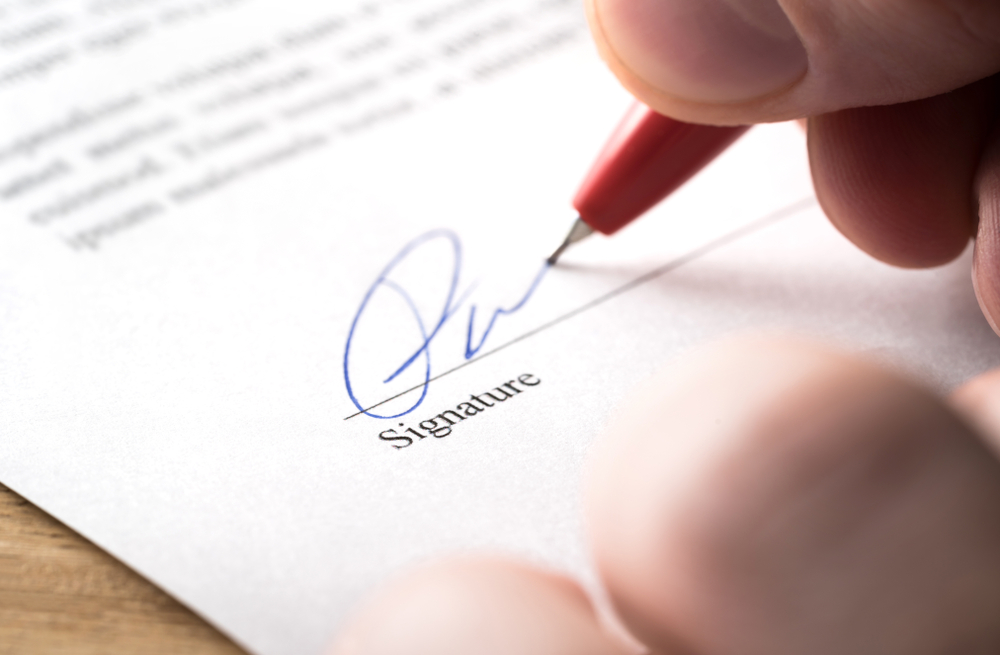
If you’ve been in a car accident in Florida, you’re probably dealing with pain, paperwork, a wrecked vehicle, missing work hours, and a phone that won’t stop ringing. Then the insurance adjuster hits you with what sounds like a lifeline: “We can get you a check today… but you have to sign now.” That's when you start to ask around and Google search, "Insurance offered me a quick settlement after a car accident: should I sign?" As a Fort Lauderdale car accident lawyer at Tucker Law, I can tell you this: quick cash offers are often designed to close your claim before the true cost of your injuries is clear. Sometimes it’s a fair settlement. Most of the time, it’s a trap—because once you sign the release, your case may be over for good. Leaving you with no time or option for the rest of your injuries to be discovered and paid out to you. Why insurers push “sign today” deals Insurance companies aren’t charities. Remember, they’re businesses, and when they offer money immediately, it’s usually because it protects them, not you. Here’s what they’re trying to avoid: Delayed symptoms that show up days later (neck/back pain, headaches, concussions) Follow-up care like MRIs, physical therapy, injections, or surgery recommendations Lost income that grows as you miss work longer than expected Proof of fault becoming clearer (video footage, witness statements, vehicle data) They know that the earlier they settle, the cheaper it is. Most quick-cash deals come with the release of claims. Here's what “signing today” really means: the release typically says you agree to: The payment is final You won’t ask for more money later You waive future claims—even if new injuries are diagnosed I’ve [...]

Should I hire a lawyer after my car accident?

If you’ve been in a car accident in Florida, one of the first questions you may ask is: "Do I really need a lawyer?" For many people, the answer is yes — and here’s why. Florida’s No-Fault System Is Complicated In the state of Florida, it is required for drivers to use their own PIP insurance first, but the unfortunate part of this is that it only covers part of your medical bills and lost wages. A lawyer helps you stay protected by fighting denials, proving your injury qualifies for full PIP benefits, and ensuring that bills don’t slip through the cracks or miss any deadlines. You’ll Need to Prove that the accident caused a “Permanent Injury” for Pain and Suffering Lawyers know how to document your injuries and work with the right medical providers so insurance companies can’t deny you. To pursue compensation from the at-fault driver, the state of Florida law requires proof of a permanent injury, which can be extremely difficult for you to do on your own while you are trying to focus on recovering from the incident itself. It’s best to keep peace of mind and let the lawyers handle the stress, while you can put your health first. Insurance Companies Don’t Play Fair Unfortunately, adjusters often push quickly for low settlements or talk to you in a way that manipulates your perspective and tries to put you at fault. A lawyer protects you from these tactics, helps you through the process, and has experience, which means they know what kind of moves these insurance companies will try to go for next. They handle all the negotiations and the deception tactics; therefore, you don’t get taken advantage of. Florida’s New [...]

When Your Friend Caused the Crash: You’re Not “Suing Them”—You’re Using the Insurance You Both Paid For

When your friend caused the crash, you're not "suing them"; in reality, you're using the insurance that you both pay for. Picture this: Your friend offers you a ride home. It’s raining. A car stops short. Your friend brakes late, and—bang—rear-end crash. You’re sore, your phone screen is shattered, and by the next morning, your neck feels like it’s been swapped with a rusted hinge. Then comes the emotional part: “I don’t want to sue my friend.” That reaction is normal. Most people aren’t looking for a lawsuit—they’re looking for fairness. They just want medical bills handled, missed work covered, and life put back together. Here’s the key: in most cases, a claim after a crash isn’t about “attacking” your friend personally. It’s about triggering the insurance coverage that exists for this exact situation. And in Florida, there’s an added twist you can’t afford to ignore: the deadline to file many negligence cases was shortened. If you wait too long out of loyalty, discomfort, or hope that “it’ll work itself out,” you can lose your right to recover—no matter how reasonable you were being. The real target is usually the insurance policy, not your friend Auto insurance is like a fire extinguisher in the kitchen. You don’t buy it because you expect flames. You buy it because if something goes wrong, you need a tool that keeps one bad moment from burning down your finances. When your friend causes a crash, the primary source of payment for your injuries (beyond your own PIP coverage) is typically your friend’s bodily injury liability insurance. That coverage is there so the injured person doesn’t have to chase an individual’s personal savings. In many cases: Your friend’s insurance company [...]

I Signed Some Papers at the Hospital and Now I’m Worried: What You Probably Signed and What to Do Next

"I signed some papers at the hospital, and now I’m worried." Here's a simple guide about what you signed and what to do next. If you’ve ever been treated in an ER or admitted to a hospital, you know the routine: a clipboard, a stack of forms, and someone saying, “Just sign here, here, and here.” When you’re in pain, shaken up, or worried about a loved one, you’re not reading fine print—you’re trying to get help. Then, days later, you start thinking: What exactly did I sign? Did I accidentally give up my rights? Did I agree to pay something I can’t afford? Did I authorize an insurance company to do something behind my back? Take a breath. Most hospital paperwork is standard. But a few specific forms can create real headaches if you don’t understand what they do. Here’s what those papers might have been—and what you should do now. Why hospitals hand you so many forms: Hospitals don’t just treat patients; they also have to get paid, comply with privacy laws, and document consent. That means you’ll often sign forms that cover: Permission to treat you (consent) Who pays the bill (financial responsibility) How they bill insurance (assignment of benefits) How they can share records (HIPAA / authorizations) Whether someone else gets paid from your claim (liens) Sometimes, language that looks like a “release” (this is the one that raises eyebrows) Let's break these down into simple terms so there is no confusion or assumption on what they mean or what they are for. 1) Consent to treat: “Yes, help me.” This is usually exactly what it sounds like: you agree to evaluation, treatment, testing, and procedures that may be necessary. It [...]

What to Do If You’re the Victim of a Hit-and-Run in Florida (And How to Protect Your Claim)

Being a victim of a hit-and-run is one of the most infuriating kinds of crashes. One minute you’re driving home, heading to school pickup, or running errands, and the next you’re staring at damage, dealing with pain, while watching the other driver disappear. If this happened to you in Florida, you’re not powerless. But what you do in the first minutes, hours, and days matters more than you may think. It can affect your health, your ability to identify the driver, and the amount of compensation available to help you recover. Here’s the practical, plain-English roadmap I give clients when the other driver decides not to stay at the scene. Step 1: Get safe first (do not chase them) Your instincts might scream, “Go after them!” Don’t. A hit-and-run driver is already making reckless decisions. Chasing can escalate the situation, put you in danger, and create another crash. Your job is to get yourself and your passengers to safety. If you can, move your vehicle out of traffic. Then call 911. Florida specifically lists hit-and-run crashes as situations where you should notify law enforcement and call 911, and it ties this requirement to Florida Statute 316.065. (FL Highway Safety) Step 2: Capture details fast (your memory fades quicker than you think) After a crash, adrenaline scrambles time. The details you swear you’ll remember can blur within minutes. If you can safely do it, look for: License plate number (even partial plates help) Make/model/color (and anything distinctive: decals, dents, company logos) Direction of travel and last known location Description of the driver (only if you saw them) Time of day and traffic conditions Pro tip: Say it out loud into your phone as a voice memo. [...]

Go to Top