The Other Driver Admitted Fault at the Scene, but Now Their Story Changed: What to do now

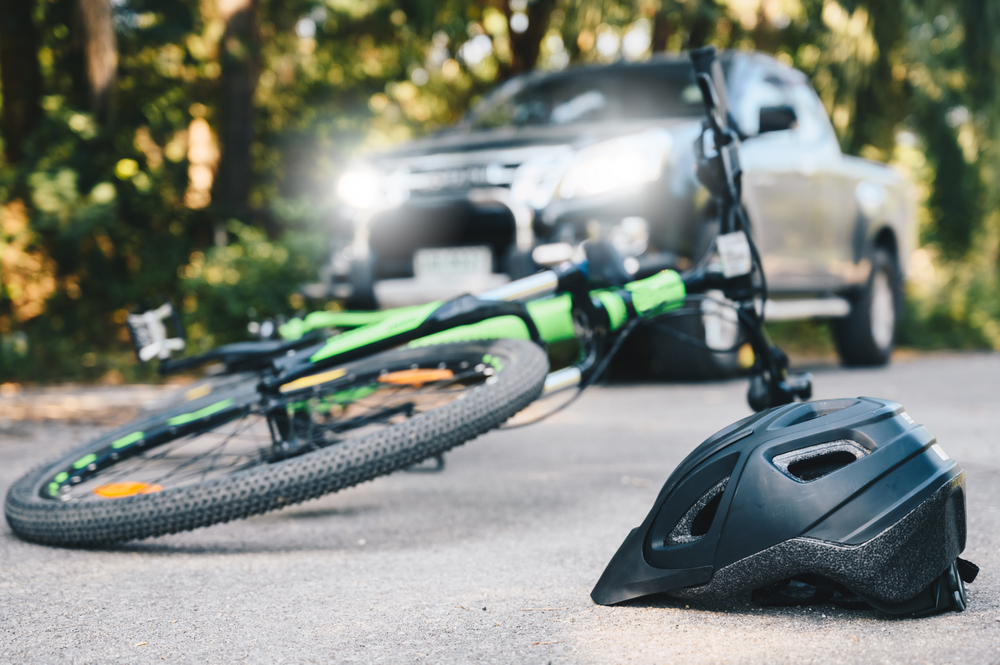
The other driver admitted fault at the scene, then changed their story: What Florida crash victims should do. Coming from a Florida accident attorney. Right after a crash, things can feel strangely clear, the other driver says, “That was my fault,” maybe even apologizes, and it makes you think, "Okay—at least that part is settled," yet, there's a lot more involved in the situation than you realize in that moment. For instance, the insurance companies get involved, car accident claims, police report after accident, recorded statement insurance, comparative negligence in Florida, evidence preservation after a crash, dealing with insurance adjusters, as well as the police always asking for a recorded statement, and what you say matters most. Then the phone calls start, and the other person involved in the accident begins to realize what's at stake for them, as well as what they could lose + have to pay, and now you’re told, “They’re disputing fault,” or “They’re saying you swerved,” or worse, “They don’t remember admitting anything.” If you’re in Florida, this is more common than people realize. And it’s not only frustrating, but it can directly affect how much money the insurance company pays for your injuries, your lost wages, and the damage to your life. At Tucker Law, we’ve helped accident victims across Florida deal with this exact switch-up. Here's the truth about the apology at the scene: Apologies can be helpful, psychologically, but they’re not a legal “lock,” and they won't help you when it comes down to the facts and the recorded statements that were made. Evidence is what wins these battles, no matter how much that apology meant to you in the moment. People tend to talk fast when [...]

Insurance Offered Me a Quick Settlement After a Car Accident: Should I Sign?

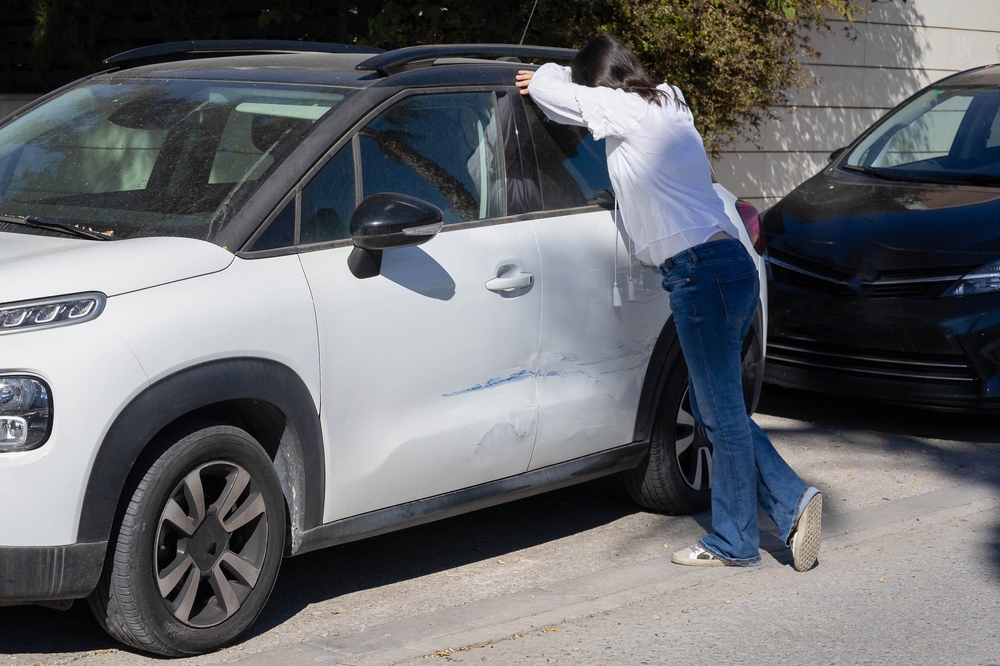
If you’ve been in a car accident in Florida, you’re probably dealing with pain, paperwork, a wrecked vehicle, missing work hours, and a phone that won’t stop ringing. Then the insurance adjuster hits you with what sounds like a lifeline: “We can get you a check today… but you have to sign now.” That's when you start to ask around and Google search, "Insurance offered me a quick settlement after a car accident: should I sign?" As a Fort Lauderdale car accident lawyer at Tucker Law, I can tell you this: quick cash offers are often designed to close your claim before the true cost of your injuries is clear. Sometimes it’s a fair settlement. Most of the time, it’s a trap—because once you sign the release, your case may be over for good. Leaving you with no time or option for the rest of your injuries to be discovered and paid out to you. Why insurers push “sign today” deals Insurance companies aren’t charities. Remember, they’re businesses, and when they offer money immediately, it’s usually because it protects them, not you. Here’s what they’re trying to avoid: Delayed symptoms that show up days later (neck/back pain, headaches, concussions) Follow-up care like MRIs, physical therapy, injections, or surgery recommendations Lost income that grows as you miss work longer than expected Proof of fault becoming clearer (video footage, witness statements, vehicle data) They know that the earlier they settle, the cheaper it is. Most quick-cash deals come with the release of claims. Here's what “signing today” really means: the release typically says you agree to: The payment is final You won’t ask for more money later You waive future claims—even if new injuries are diagnosed I’ve [...]

What to Do If You’re a Victim of Medical Malpractice in Florida

What to Do If You’re a Victim of Medical Malpractice in Florida: a step by Step-by-Step Guide for the people. Most people don’t wake up thinking, “Today I’m going to call a lawyer about my doctor.” They wake up thinking, “Why am I worse?” or “This can’t be normal,” or “Did somebody miss something?” Medical malpractice cases are emotionally heavy because the setting is supposed to be safe. You trusted a professional. You followed the instructions. And now you’re left with pain, bills, and a knot in your stomach that won’t loosen. If you suspect medical negligence, here’s what to do next—practically, calmly, and in a way that protects both your health and your rights. You can also read our other blog, "Key Steps in Establishing Negligence in Medical Malpractice Cases in Florida." Step 1: Get medical care first (even if you’re furious) If something feels off, your number one job is to get stable and get answers. That may mean: Going to the ER Seeing a different doctor for a second opinion Asking for a specialist referral Getting follow-up imaging or lab work This isn’t just about your case. It’s about preventing a bad situation from getting worse. It also creates a clear medical record showing what happened and when the problem was discovered. Step 2: Start a simple timeline while it’s fresh In malpractice cases, details matter. Not the “perfect memory” kind—just the basic chronology. Open a notes app and write: Dates of visits, procedures, admissions, and discharges Who you saw (doctor/nurse/department if you remember) What you were told (especially warnings, diagnoses, and next steps) When symptoms started or changed Any complications, readmissions, infections, or new diagnoses Think of it like a flight [...]

Boating Accidents in Florida and What to Do Next

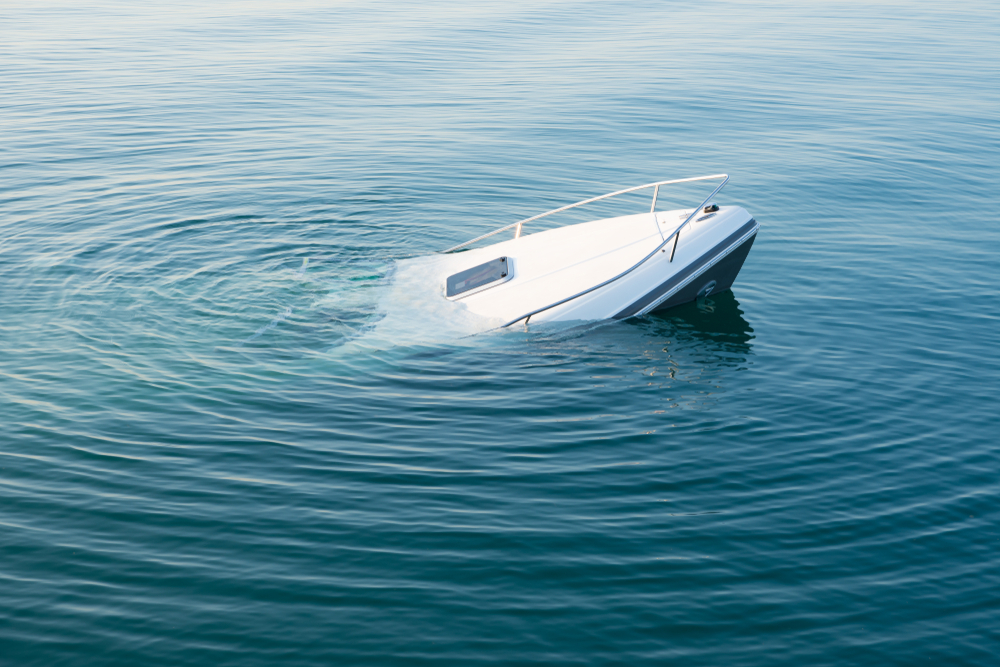
Florida is built around water. Weekends on the Intracoastal, fishing trips offshore, sunset cruises, jet skis, sandbar days—boating is part of the lifestyle. But when something goes wrong on the water, it can go wrong fast. Here is a simple explanation of boating accidents in Florida and what to do next. The part most people don’t realize until they’re living it: a boating accident is not just “a car crash on water.” The injuries can be more severe, the liability is often more complicated, and the evidence can disappear quicker than you’d think (because tides, weather, and boats don’t exactly sit still). If you or someone you love was hurt in a Florida boating accident, here’s a practical, step-by-step guide on what to do and why having a lawyer involved early can make a real difference in both your recovery and your financial outcome. Florida is water. Intracoastal weekends. Sandbar days. Fishing trips. Jet skis buzzing around like they own the place. And then—one wake, one bad turn, one distracted operator, one “we’ve done this a thousand times”—and your day becomes an emergency. If you’ve been in a boating accident, you’re probably asking the same questions I hear all the time: Who’s responsible? Do I have to report this? What if I was a passenger and it was my friend driving? How do I pay these medical bills? And why does the insurance company sound friendly… but keep pushing me to “wrap it up”? Let’s walk through what to do next, step-by-step. why boating cases can turn into a blame game fast—unless you take the right steps early. Step one: safety and medical care come first I know this sounds obvious, but it’s where people [...]

Should I hire a lawyer after my car accident?

If you’ve been in a car accident in Florida, one of the first questions you may ask is: "Do I really need a lawyer?" For many people, the answer is yes — and here’s why. Florida’s No-Fault System Is Complicated In the state of Florida, it is required for drivers to use their own PIP insurance first, but the unfortunate part of this is that it only covers part of your medical bills and lost wages. A lawyer helps you stay protected by fighting denials, proving your injury qualifies for full PIP benefits, and ensuring that bills don’t slip through the cracks or miss any deadlines. You’ll Need to Prove that the accident caused a “Permanent Injury” for Pain and Suffering Lawyers know how to document your injuries and work with the right medical providers so insurance companies can’t deny you. To pursue compensation from the at-fault driver, the state of Florida law requires proof of a permanent injury, which can be extremely difficult for you to do on your own while you are trying to focus on recovering from the incident itself. It’s best to keep peace of mind and let the lawyers handle the stress, while you can put your health first. Insurance Companies Don’t Play Fair Unfortunately, adjusters often push quickly for low settlements or talk to you in a way that manipulates your perspective and tries to put you at fault. A lawyer protects you from these tactics, helps you through the process, and has experience, which means they know what kind of moves these insurance companies will try to go for next. They handle all the negotiations and the deception tactics; therefore, you don’t get taken advantage of. Florida’s New [...]

Go to Top