Do I Have to Use the Body Shop the Insurance Company Picked?

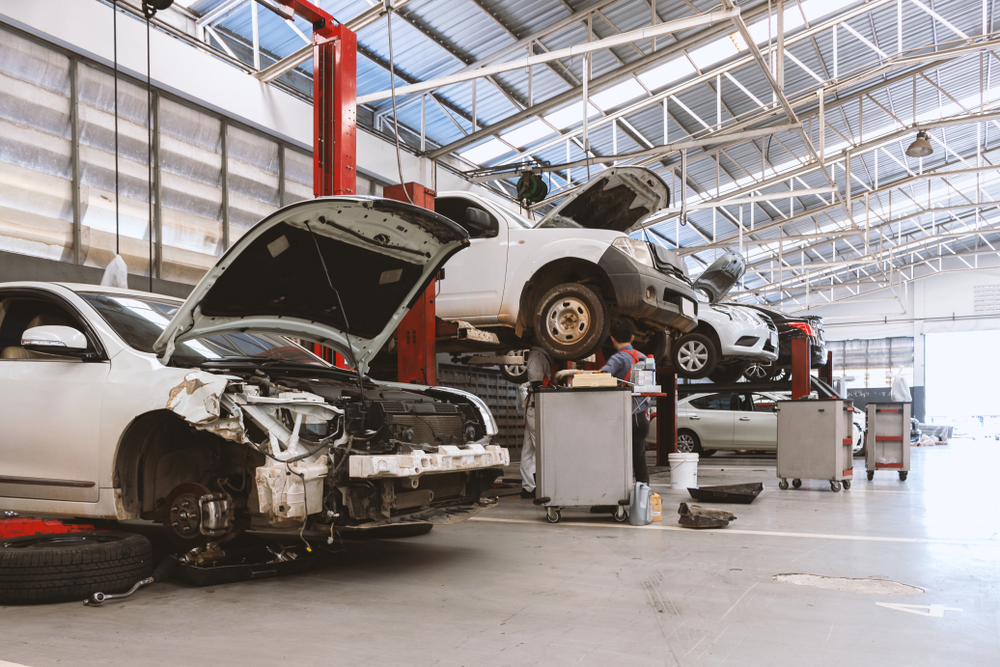
After a crash, you’re already juggling enough—doctor visits, rental cars, missed plans, and that constant “What happens next?” feeling. Then the insurance adjuster says, “We can set you up with one of our preferred body shops,” and it sounds helpful… until you wonder, "Do I have to use the body shop the Insurance company picked?" Here’s the short version in simple terms: in most situations, you do not have to use the body shop the insurance company picked. You generally have the right to choose where your vehicle gets repaired. And choosing wisely can make a big difference in how your car looks, drives, and holds value down the road. Let’s talk about how this works, what the insurance company is trying to accomplish, and how to protect yourself from getting steered into a repair you don’t feel good about. Why does the insurance company “recommend” a shop in the first place Insurance companies often have Direct Repair Programs (DRPs) or “preferred shop” networks. It’s not automatically shady. Sometimes it can be convenient: the shop already knows the insurer’s paperwork system, can handle billing directly, and may get you in faster. But let’s be honest about the incentives. A preferred shop relationship usually means the insurer is sending that shop steady business. In return, the insurer expects: predictable pricing faster cycle times (get the claim closed) fewer supplements (extra repair charges after teardown) repairs that stay within the insurer’s guidelines That can line up with quality work… or it can create pressure to “make it fit” within a budget instead of doing what’s best for your vehicle. Think of it like this: if your landlord “strongly suggests” a handyman, that handyman may be great. Or [...]

Do I Have to Miss Work Before This Counts as a “Real” Injury Case?

Do I Have to Miss Work Before This Counts as a “Real” Injury Case?  Let me say this clearly: having a “real” injury case is not the same thing as having a timecard full of missed shifts. People picture injury claims as dramatic scenes, someone in a neck brace, out of work for weeks, life completely on hold. And yes, those cases happen. But plenty of legitimate injury cases look a lot more like real life: you keep showing up because you have to, you grit your teeth through pain, you pop ibuprofen between meetings, and you tell yourself you’ll “walk it off” until one day you realize it’s not walking off. If you’re wondering whether your pain counts if you still clocked in, here’s how I’d break it down. Why “I didn’t miss work” doesn’t end the conversation Missing work can matter because lost wages are a type of damage that can be claimed. But it’s only one piece of the puzzle. Think of an injury claim like a cracked windshield. If the crack isn’t across your entire line of sight yet, it’s still a crack, and it can spread. The fact that you can still drive the car doesn’t mean anything happened. It means you’re coping. A lot of people keep working because: They don’t have paid time off. They’re the primary income for their family. They’re worried about getting replaced. They’re tough and used to pushing through pain. None of that makes the injury less real. Sometimes it actually makes it harder, because you’re forcing an injured body to perform as if nothing happened. The two big categories: economic damages vs. non-economic damages When we talk about what your case is “worth,” [...]

Crashing a Rental Boat in Florida: What to Do Next (and What Not to Say)

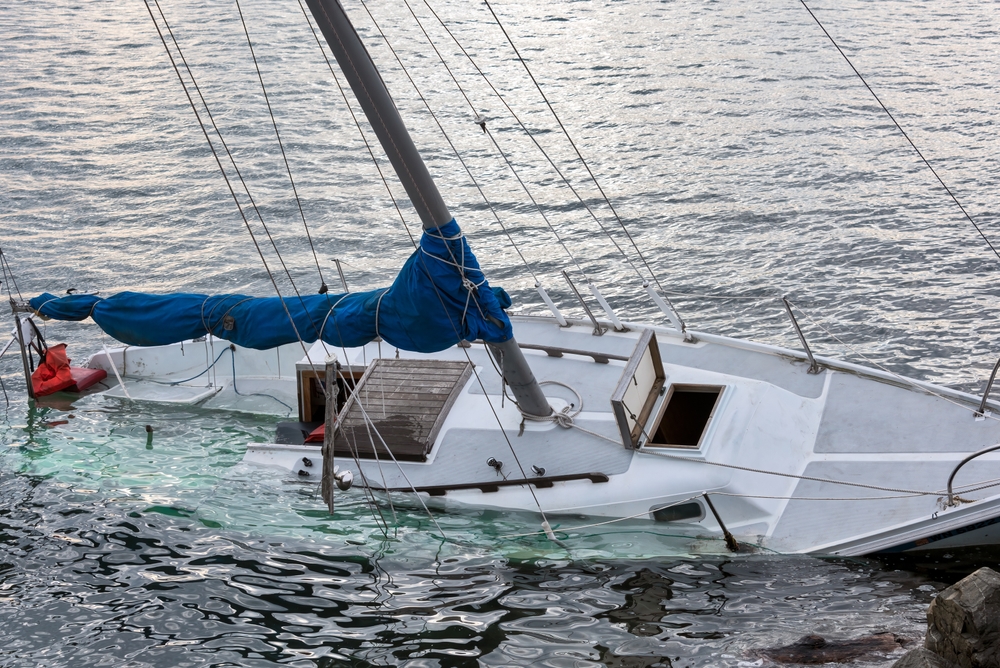
Crashing a rental boat in Florida can feel extremely scary. You're on vacation with your friends and family, or you just wanted a day on the water! It's supposed to feel like a reset button. Sun, salt air, maybe a cooler and a playlist. Florida does that better than just about anywhere. But when a rental boat crash happens, the vibe changes in an instant. One minute you’re lining up to dock, the next you’re dealing with injuries, police reports, angry phone calls from the rental company, and that sinking feeling that you’re about to be blamed for everything. If you crashed a boat you rented in Florida, here’s the practical, real-world guide I’d give a friend: what to do immediately, what to avoid, and how liability usually works when rental agreements and insurance get involved. First: make sure everyone is safe (then think about fault later) In the first five minutes after a crash, don’t play detective. Play medic and safety officer. 1) Check for injuries and get help Call 911 if anyone is hurt, unconscious, bleeding heavily, or showing signs of head/neck injury. On the water, “we’re fine” can turn into “why can’t I move my arm?” fast—especially with adrenaline masking pain. 2) Prevent a second accident If you can do so safely: Turn off the engine if there’s a risk of fire or propeller injury Put on life jackets if anyone isn’t wearing one Move to a safer area if the boat is taking on water or you’re in a channel (but don’t abandon someone in the water to do it 3) Call for on-water assistance Depending on where you are, the U.S. Coast Guard, Florida Fish and Wildlife Conservation Commission (FWC), [...]

Do I Have to Tell My Own Insurance If the Crash Wasn’t My Fault? Florida’s PIP Rules Make This a Must

You've recently been in an accident, and the other driver is apologizing. Their insurance information is in your hands; it's clearly their fault, and now you're wondering, "Do I have to tell my own Insurance if the crash wasn’t my fault?" especially when you know your rates will go up. In Florida, that instinct is understandable. It’s also one of the most common ways good people accidentally hurt their own case. If the crash wasn’t your fault, you usually still need to notify your own insurance promptly, especially because Florida is a no-fault state and your own policy may be the fastest path to getting medical care paid through Personal Injury Protection (PIP). Florida’s no-fault system requires most drivers to carry PIP, which is designed to pay certain medical expenses and lost wages after a crash, regardless of who caused it. That means your first stop for medical payment is often your own policy, not the at-fault driver’s insurer. If you delay reporting the accident because you’re waiting on the other driver’s insurance to “do the right thing,” you can end up with unpaid bills, gaps in treatment, and a claim that gets harder to prove. Do I have a legal obligation to report it to my insurer? Most auto policies have notice requirements. In everyday terms, your insurance contract typically says you must notify them of an accident promptly, even if you don’t think you’re at fault and even if you don’t want to make a claim. Therefore, to truly protect yourself in the short term and in the long run, you'll want to confirm what's in the fine print of your contract before you decide to blow off your insurer! If you don't, [...]

What Should I take Photos of Right After a Crash?

After a crash, your brain goes into survival mode. Your hands shake, your heart races, and suddenly you can’t remember if you already called someone or if you’re still sitting in the same spot. That’s normal. If you're already thinking, "What should I take photos of right after a crash?" You're already on the right track. The truth about taking photos after a crash is simple: what you photograph in the first five to ten minutes can matter just as much as what you say in the next five to ten days. Photos can preserve the story of the wreck before the cars move, the debris gets swept away, and everyone suddenly “remembers it differently.” I’m an attorney at Tucker Law, and we help Florida crash victims protect themselves, physically, financially, and legally. If you’re unsure what to do after a wreck, call our firm at 1-800-TUCKERWINS. First things first: safety, then photos Before you start documenting anything: Check for injuries and call 911 if anyone is hurt or if traffic is dangerous. Move to a safe location if you can do so without creating more risk. Accept medical help if offered. Adrenaline can mask injuries. Once you’re safe or while waiting for help, your phone becomes your best witness. The “must-have” photo checklist after a crash Think of it like building a timeline. You want wide shots, medium shots, and close-ups. If you only take one type, the insurance company can argue they’re missing context. 1) The entire scene (wide shots) These photos capture the overall story, from where everyone was to what the roadway looked like, as well as how traffic was flowing. Take photos of: The intersection or stretch of road from [...]

Go to Top