Florida Crosswalk Accident Claim: 7 Pieces of Evidence That Matter
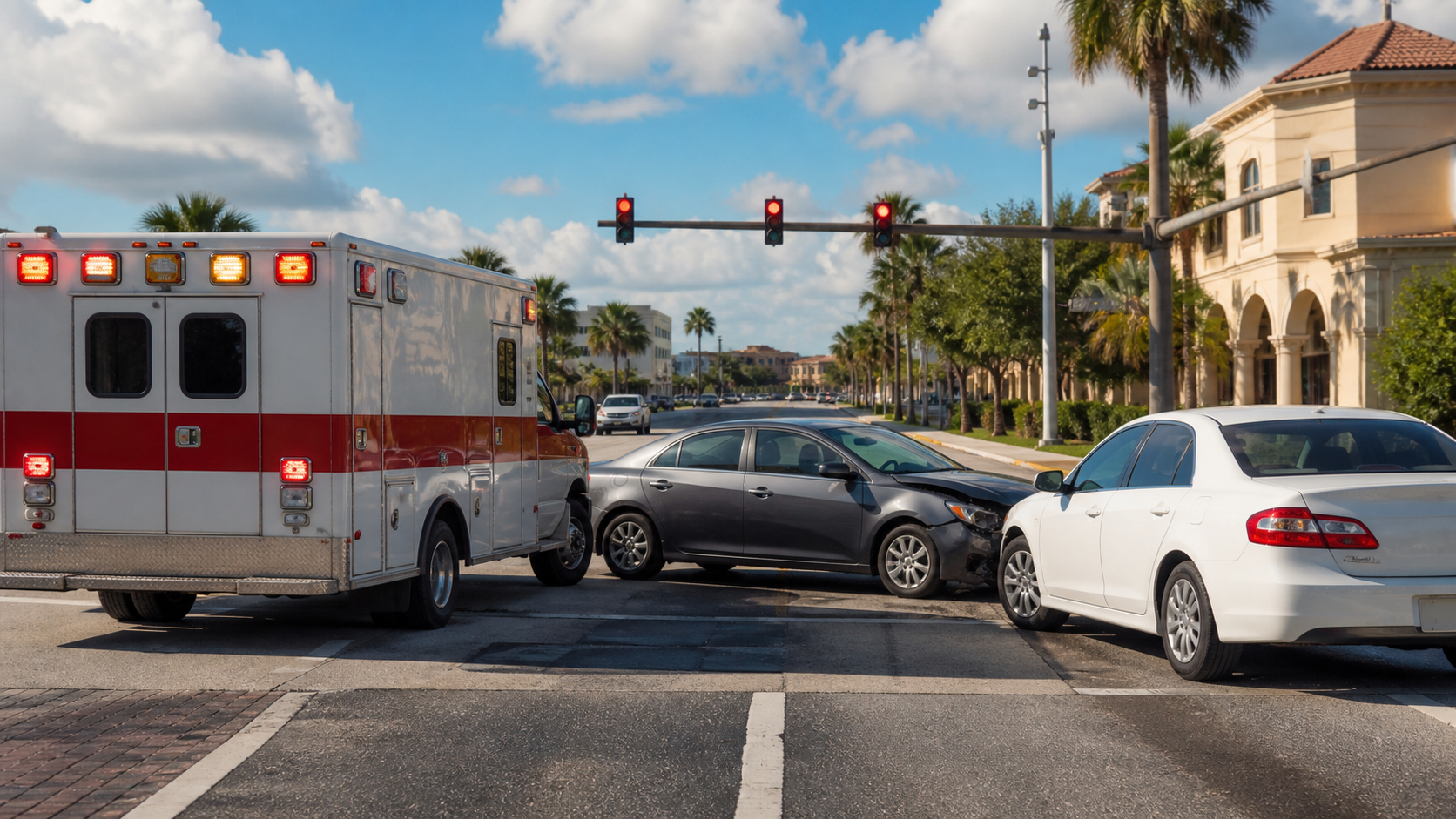
A crosswalk accident claim may turn on evidence that disappears within hours: a signal phase changes, surveillance video is overwritten, vehicles move, and sight lines shift with traffic. Florida law addresses duties of drivers and pedestrians, but applying those rules requires a reliable account of where each person was, what the signals showed, and what each could see before impact.
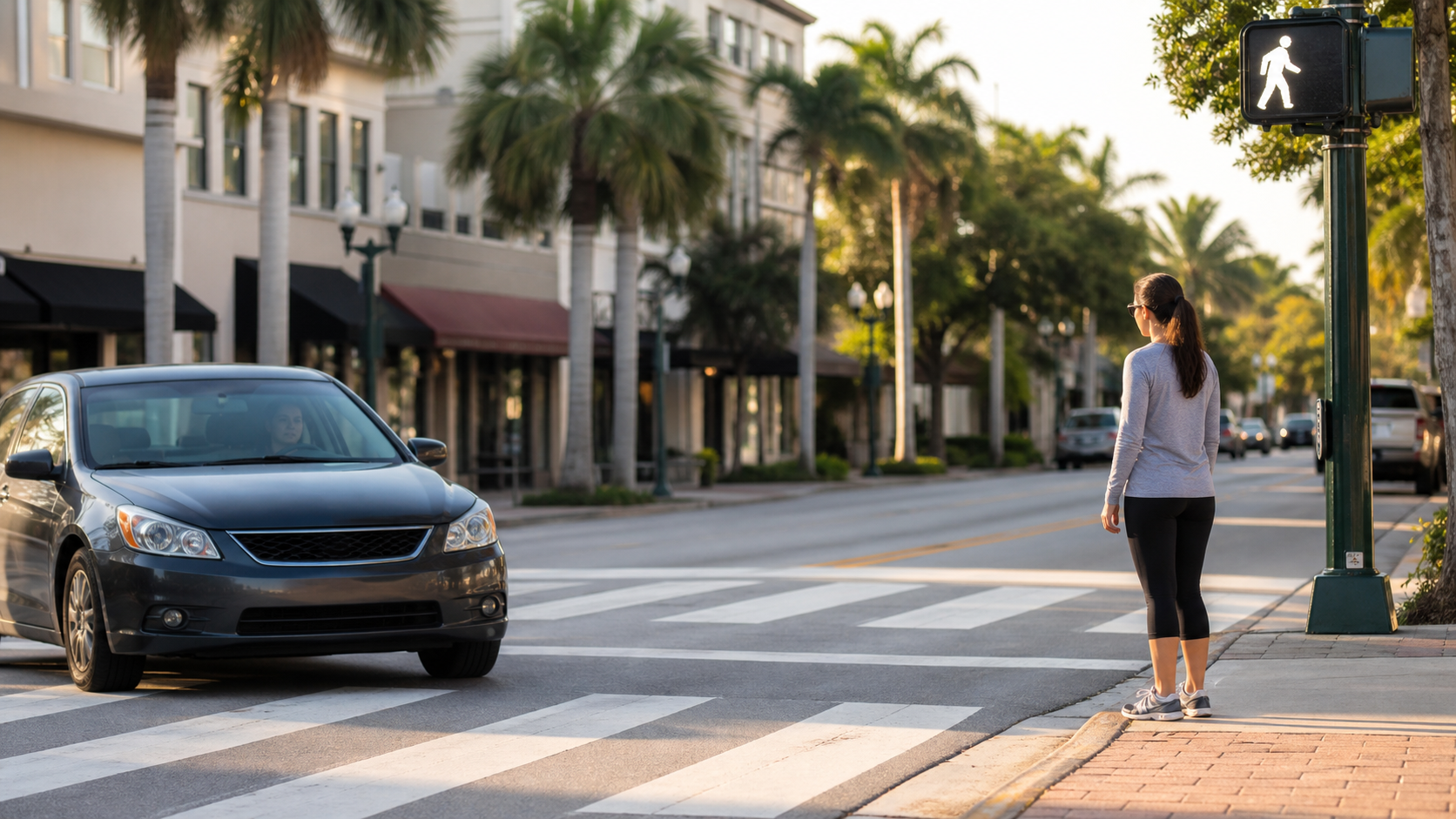
Florida Statute section 316.130 includes rules for signalized crossings and other crosswalk situations. Depending on the setting, drivers may have duties to stop or yield to a pedestrian in the crosswalk, while pedestrians also have duties concerning signals and sudden entry into a vehicle’s path. The following evidence helps place those rules in factual context.
1. The exact signal phase
“I had the light” can mean different things. Was there a walk symbol, flashing countdown, solid hand, green arrow, flashing yellow arrow, or red light? Photograph every signal facing both the pedestrian and driver. Record the time precisely so the agency’s timing plan or controller data can be compared with video.
If a signal was dark or malfunctioning, preserve that fact separately. The analysis may overlap with intersection right-of-way questions found in a left-turn collision. A short video that captures a full signal cycle can be more informative than a single still image.
2. Wide views of the crosswalk and sight lines
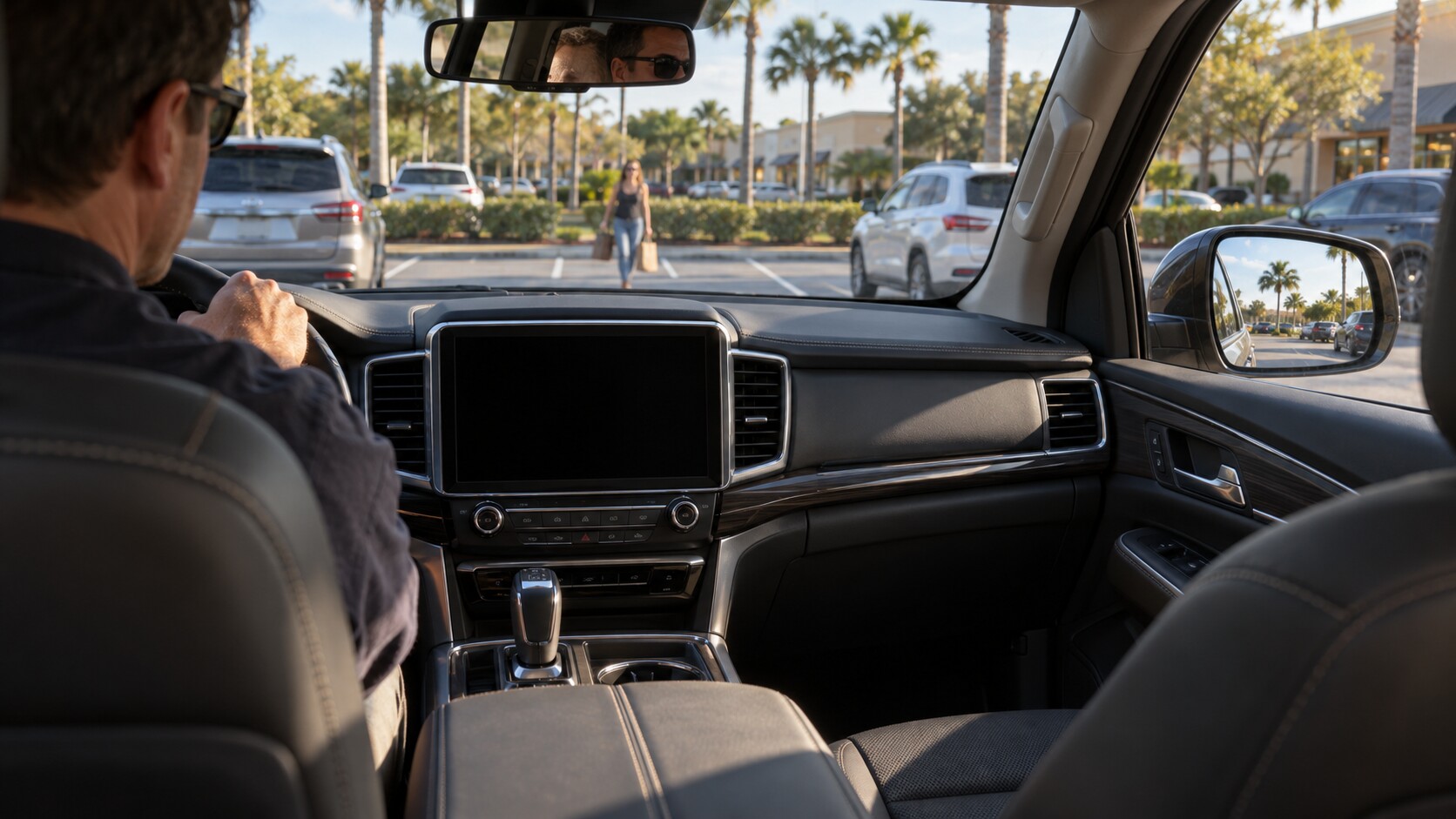
Close-up damage photographs are useful, but wide-angle images show distance and visibility. Capture the driver’s approach, pedestrian’s direction, lane markings, stop bar, curb ramps, median, signs, lighting, landscaping, parked vehicles, construction barriers, and weather. Photograph from both eye levels when safe—approximately where a driver and pedestrian would have looked.
Sight lines can change quickly when a truck leaves, branches are trimmed, cones move, or a construction shift ends. Document the scene without entering traffic or interfering with investigators.
3. Video from every likely source
Traffic cameras, buses, nearby businesses, homes, parking facilities, and vehicles may hold footage. Identify cameras immediately and send targeted preservation requests before routine overwriting. A camera that does not show the impact may still establish approach speed, signal phase, pedestrian position, or a driver’s failure to brake.
Ask witnesses whether they recorded anything, but preserve original files rather than compressed social-media copies. Metadata and an uninterrupted sequence can help authenticate when and where footage was captured.
4. Independent witness accounts
A witness who saw the approach may offer information unavailable from physical damage. Get the person’s full name, phone number, email, location, and what drew attention to the scene. A statement taken close in time can preserve details before memory fades.
Do not ask witnesses to adopt a preferred conclusion. Specific observations—vehicle speed appeared steady, the pedestrian was already beyond the curb, braking began late—are more useful than a general declaration about fault. If no officer arrives, review the evidence tips in our guide to a car accident without a police report.
5. Vehicle and device information
Damage patterns, mirror marks, windshield contact, debris, tire marks, lighting, and final vehicle position can help locate impact. Some vehicles retain event data relevant to speed, throttle, braking, steering, and restraint use. Dash cameras and navigation history may add timing or route information.
Phone evidence may matter if distraction is genuinely disputed, but it should be preserved and obtained lawfully. Avoid deleting messages or resetting devices. A focused request tied to the crash window is more defensible than an indiscriminate search.
6. Clothing, personal items, and medical records
Preserve damaged clothing, shoes, helmet, backpack, bicycle, phone, and reflective equipment without washing or repairing them. Photograph bruising or other visible injuries over time, while recognizing that photographs do not replace medical evaluation. Keep ambulance, emergency, therapy, pharmacy, and specialist records together.
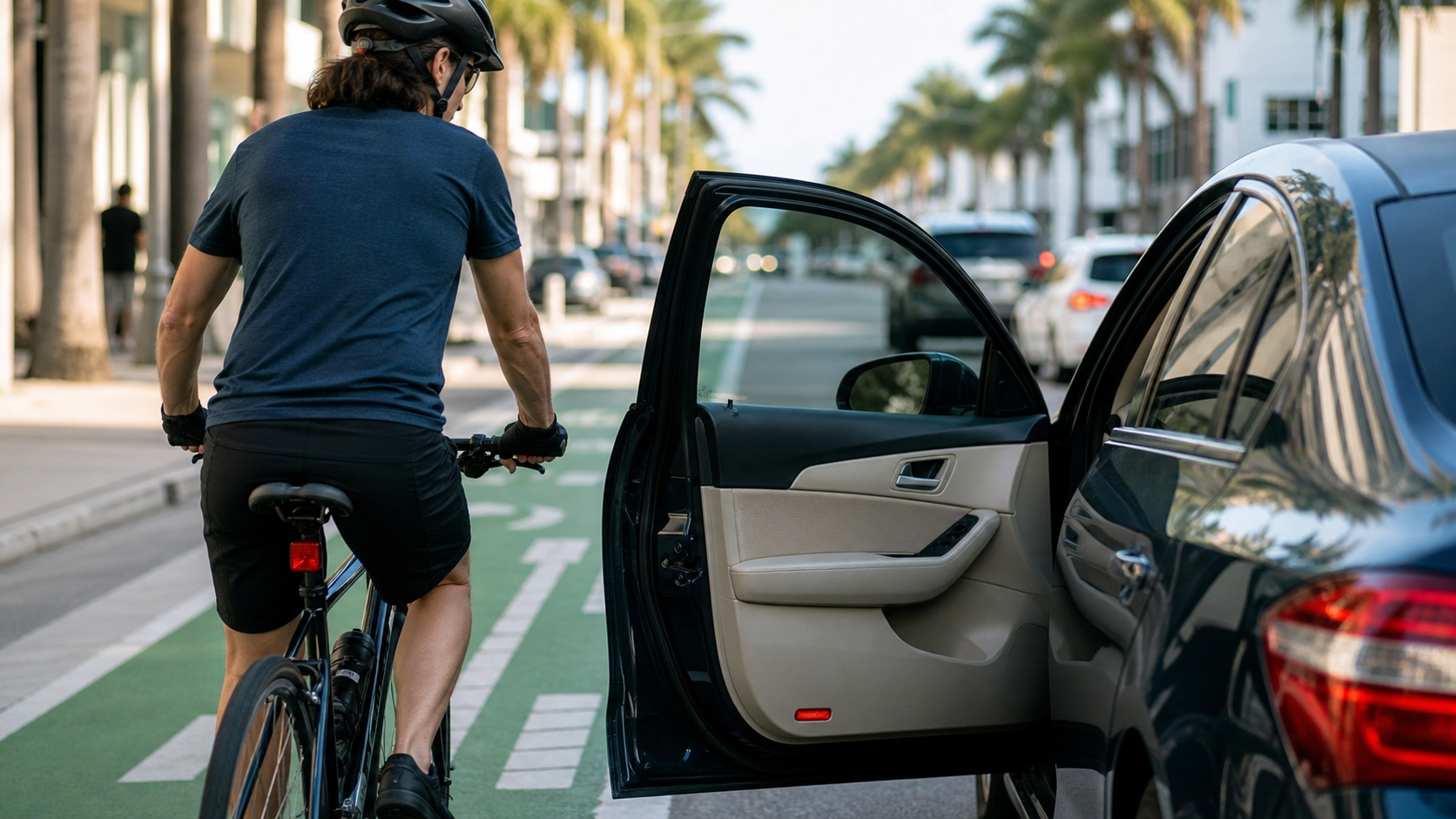
Medical notes should accurately describe the mechanism of injury, symptoms, and changes in function. Keep a factual record of missed work, transportation needs, and activities affected. If a bicycle was involved, our bicycle injury article discusses additional physical evidence worth protecting.
7. Official records and a synchronized timeline
Obtain the crash report, 911 audio, dispatch logs, body-camera footage, citations, roadway diagrams, and signal or maintenance records when available. Compare all time stamps, since device clocks may differ. A synchronized timeline can show when the pedestrian entered, when the driver could first see the person, and whether braking began before impact.
Do not treat a citation as the entire civil case. It is one item among many, and admissibility or weight can depend on the circumstances. The strongest crosswalk accident claim connects the official materials to independent video, physical evidence, and medical documentation.
Turning evidence into a coherent claim
The point of this checklist is not to collect volume for its own sake. Each item should answer a practical question: who had which signal, where the pedestrian was, what the driver could see, whether either person had time to react, and how the collision caused injury. Conflicts should be identified and investigated rather than hidden.
Tucker Law Group’s practice-area overview explains its personal-injury work. A pedestrian or family member seeking a case-specific review can contact the firm before time-sensitive evidence disappears.
This article provides general information and is not legal advice. Every case is different, and reading this page does not create an attorney-client relationship.