Hit While Stopped on the Shoulder: What Happens Next in Florida?
A disabled vehicle accident claim can arise when a driver strikes a stopped car, a person changing a tire, or someone standing beside the shoulder. Highway traffic leaves little margin for error, and the scene can be cleared quickly. What happens next should protect life first, then preserve the evidence needed to understand visibility, warnings, lane position, and driver conduct.
Immediately after the impact
Call for emergency help and move away from active lanes if it can be done safely. Do not stand between vehicles or beside moving traffic to take photographs. Follow instructions from law enforcement and road crews. Medical evaluation should reflect actual symptoms, especially after a pedestrian impact or secondary collision.
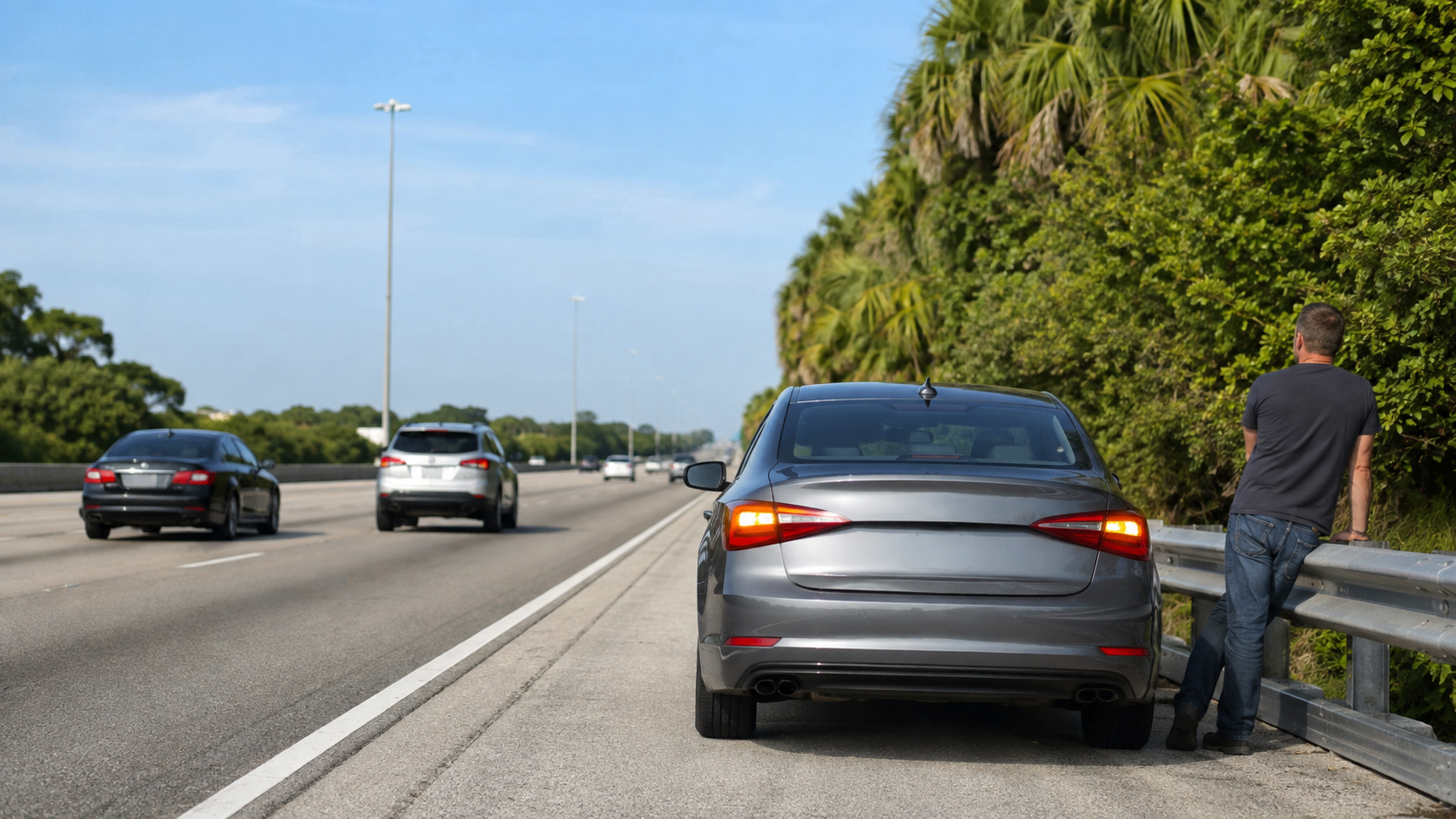
If a person can document the scene without danger, record vehicle positions, hazard lights, flares, emergency signs, shoulder width, guardrail, debris, skid marks, lighting, weather, and traffic. A distant image showing the approach may be more useful than another close damage photograph.
Florida’s move-over rule becomes part of the review
Florida Statute section 316.126 addresses drivers approaching certain roadside vehicles, including a disabled motor vehicle displaying hazards, flares, or signage, or with a visibly present person. The statute describes moving over when safe or reducing speed when a lane change cannot safely be made.
The rule does not decide every civil issue automatically. Investigators still need to establish which warning condition existed, what the approaching driver could see, whether moving over was safe, the vehicle’s speed, and how the collision caused injury.
During the first scene investigation
Identify all witnesses, including tow operators, road-service personnel, other drivers, and people who stopped. Ask for direct contact information and their exact position. Preserve dash-camera, traffic-camera, commercial-vehicle, and nearby business footage before it is overwritten.
Record when the vehicle became disabled, why it stopped, how long it remained there, and whether it could move farther from traffic. Phone calls, roadside-assistance records, toll data, location history, and dispatch logs may help establish timing.
When the disabled vehicle is removed
Obtain towing and storage information before leaving. Photograph the vehicle, lights, tires, warning devices, and any mechanical problem before repair or salvage. If lighting, tire failure, steering, or another component is disputed, an appropriate inspection may be necessary.
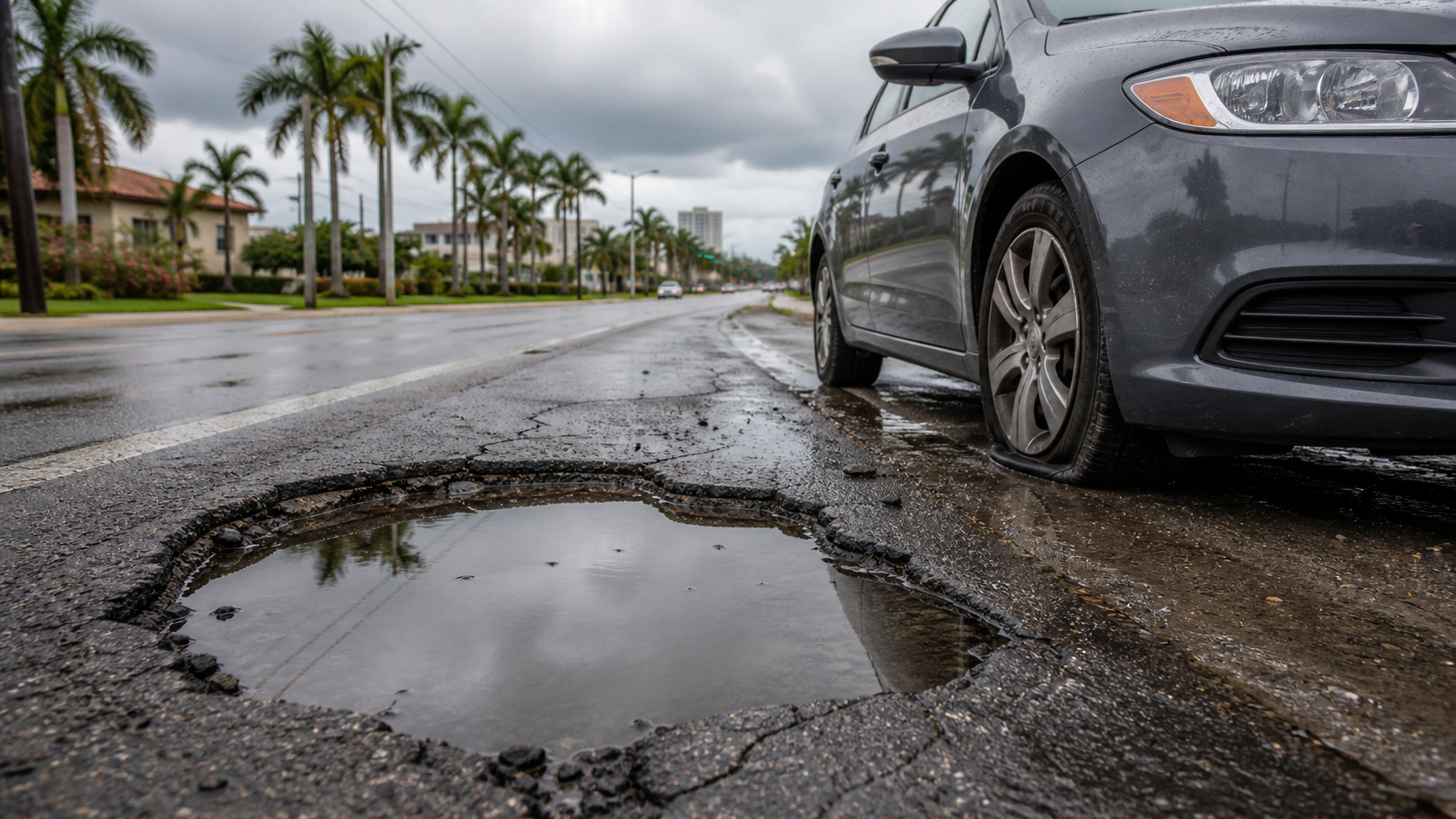
TuckerUp’s tire-blowout guide explains why damaged parts can matter. Do not let routine storage deadlines cause a vehicle to be auctioned or destroyed without addressing preservation.
As driver conduct is reconstructed
Investigators examine speed, lane position, distraction, fatigue, impairment, headlights, traffic density, visibility, and braking. Vehicle event data may show speed and brake input. Phone records should be preserved and requested lawfully when distraction is genuinely disputed.
The stopped person’s conduct may also be examined: vehicle position, hazards, flares, clothing visibility, and reason for being outside. These facts should be recorded without assuming that a person forced onto a narrow shoulder is responsible for another driver’s failure to react.
If a second vehicle caused the emergency
A driver may stop after being forced off the road, struck by debris, or involved in an earlier crash. Another vehicle may swerve into the shoulder and leave. Build a complete timeline rather than analyzing only the final impact.
A no-contact accident may raise identification and uninsured motorist questions. Multiple impacts may require the approach described in TuckerUp’s chain-reaction guide.
During medical care and recovery
Report the mechanism and symptoms accurately. Keep ambulance, emergency, specialist, therapy, pharmacy, and diagnostic records. Maintain wage documents, receipts, transportation expenses, and a factual account of activities affected. Visible injury photographs can supplement but do not replace medical evidence.
A roadside pedestrian impact may involve different forces from an occupant collision. Providers should know whether the person was inside the car, changing a tire, entering a tow vehicle, or struck during a secondary event.
When insurance companies become involved
Preserve complete policies and endorsements for the striking vehicle, disabled vehicle, involved drivers, and household coverage. Personal injury protection, bodily injury liability, collision, uninsured or underinsured motorist coverage, and roadside-service contracts may address different issues.
Do not guess about visibility or admit fault in a recorded statement. Describe facts personally observed. Review any release carefully so a property payment does not unintentionally resolve an unfinished injury claim.
Before the disabled vehicle accident claim is resolved
Organize one timeline containing the breakdown, warnings, roadside calls, collision, response, towing, medical care, and insurer communications. Compare time stamps and correct factual errors in writing. Avoid posting blame, injury details, or misleading activity snapshots online.
Tucker Law Group’s practice-area overview describes its injury services. A driver, passenger, road-service worker, or bystander injured on a Florida shoulder may contact the firm for a fact-specific discussion.
This article provides general information, not legal advice. Every matter is different, and reading this page does not create an attorney-client relationship.