Teen Driver Crash in Florida: Who May Be Responsible?
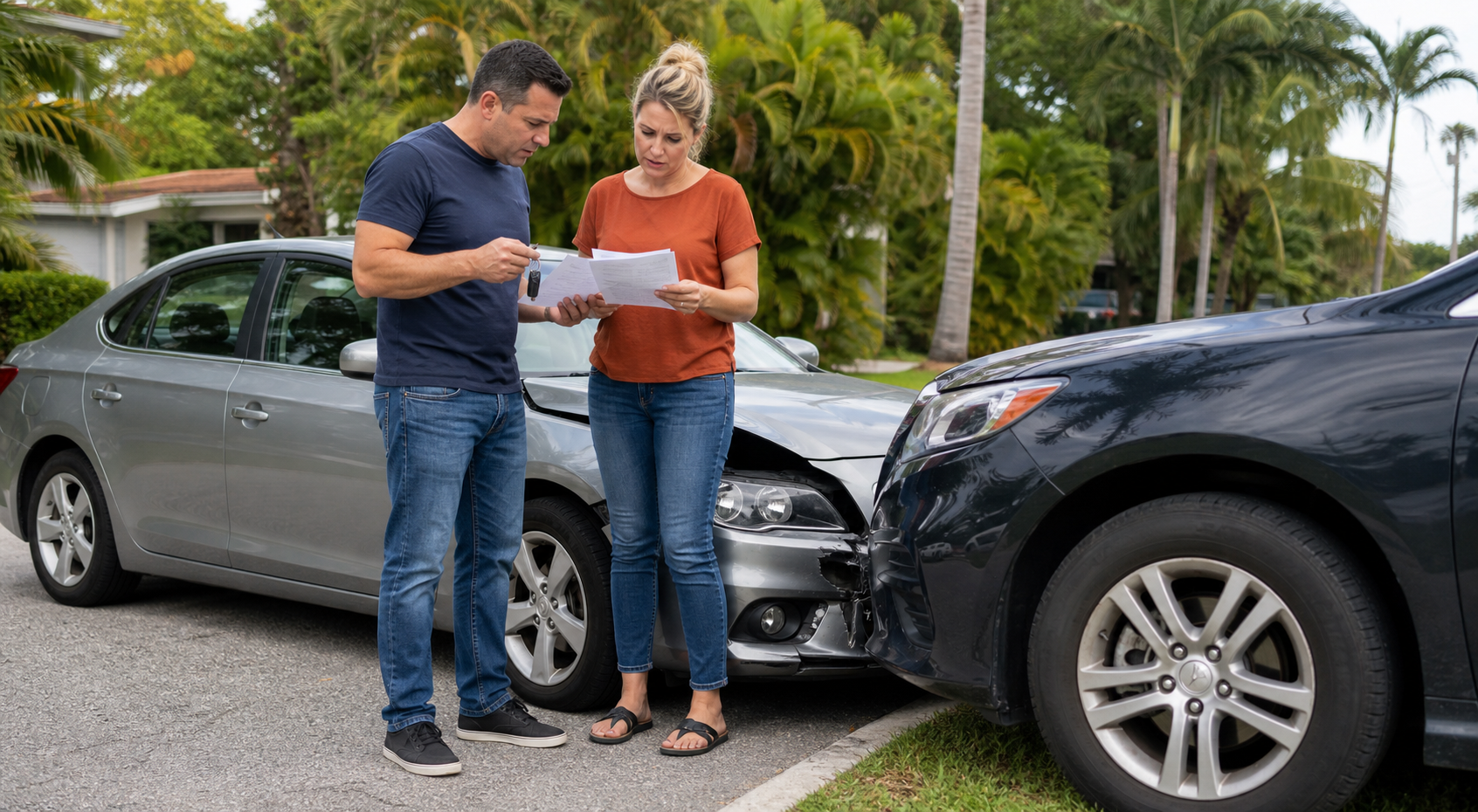
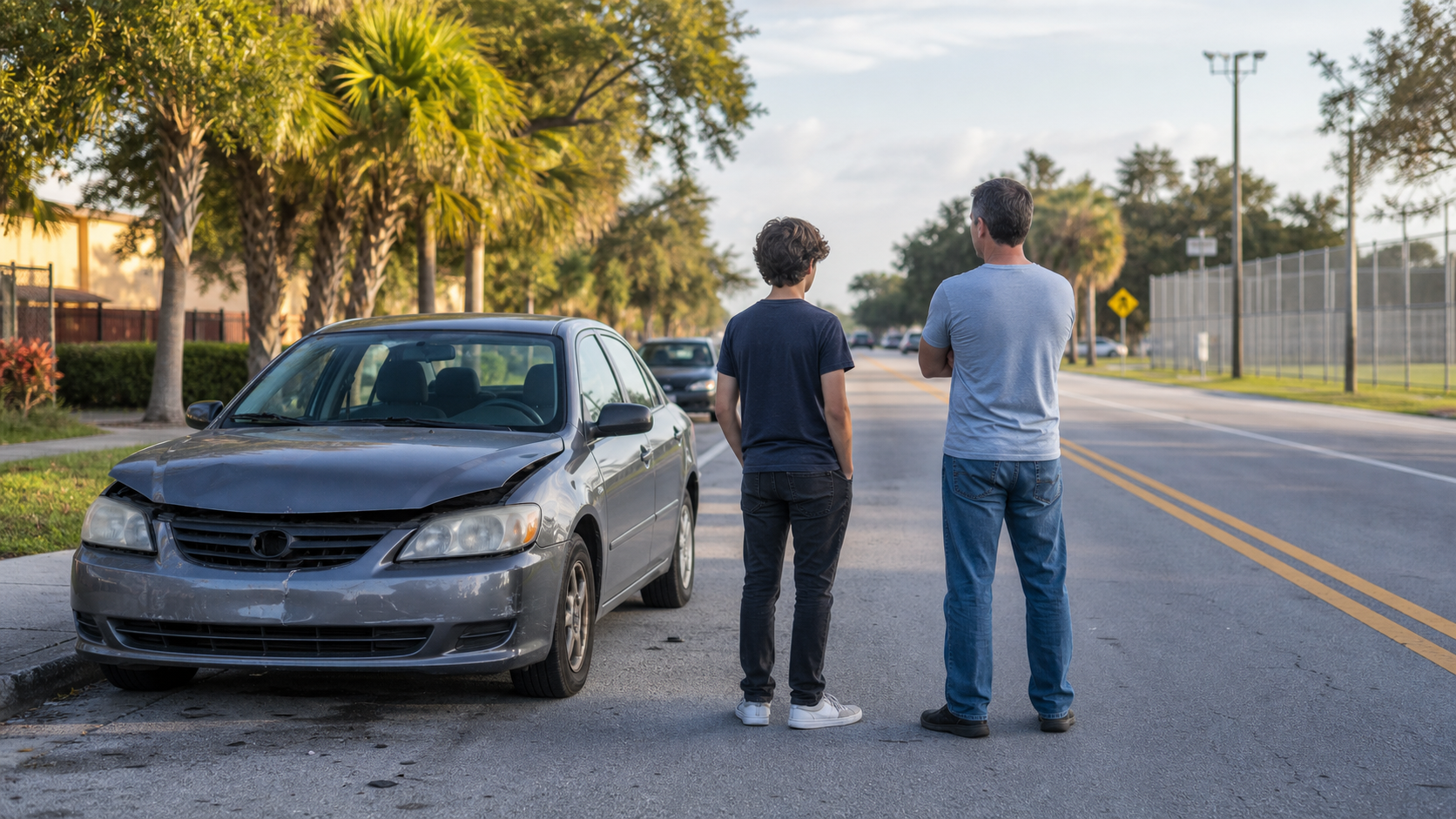
A teen driver accident claim may involve more than the young person behind the wheel. Florida families often have questions about the vehicle owner, the adult who signed a license application, household insurance, and what happens when a learner was driving. The answers depend on the driver’s license status, ownership, permission, conduct, and available policies.
Is a teen judged by different traffic rules?
Generally, no. A teen driver must obey the same rules of the road that apply to other motorists. Investigators evaluate speed, distraction, following distance, right of way, impairment, and evasive action. Age alone does not establish negligence, and an injured person still needs evidence showing how the collision happened and how it caused the claimed injuries.
That is why photographs, video, witness accounts, vehicle data, and the police report remain important. The practical evidence issues resemble those in a left-turn crash or multi-vehicle collision, even when the at-fault driver is a minor.
What if the teen had a learner’s license?
Florida Statute section 322.1615 requires a learner’s-license holder to be accompanied by a licensed driver at least 21 years old occupying the seat closest to the driver. The statute also limits driving hours: daylight only at first, with driving permitted until 10 p.m. after the initial three-month period. A violation may be relevant context, although it does not replace proof that particular conduct caused the crash.
The supervising adult’s actions may also become part of the investigation. Questions can include whether the adult was in the required seat, was attentive, allowed driving under unsafe conditions, or distracted the learner. Those facts are highly case-specific.
Can the person who signed the license application be responsible?
Florida has a statute addressing applications for drivers under 18 and responsibility for a minor’s negligence or willful misconduct. Section 322.09 should be reviewed with the actual license and family circumstances. Whether it applies, who signed, and whether an exception matters cannot be assumed from the driver’s age alone.
This is one reason a teen driver accident claim should not be evaluated only from the declarations page of one policy. The license application, vehicle title, household relationships, and permission to use the car may all help identify potentially responsible parties and coverage.
Does vehicle ownership matter?
It can. Florida ownership and permissive-use principles may create issues separate from the teen’s own driving conduct. Investigators confirm who held legal title, who exercised control over the vehicle, why the teen was driving, and whether the use fell within permission. A claim involving a family vehicle can therefore look different from a crash in a borrowed friend’s car. Our article on a borrowed-car accident claim explains why ownership and insurance need separate analysis.
Which insurance policies should be checked?
Possible sources may include coverage on the involved vehicle, coverage associated with the driver, personal injury protection benefits, bodily injury liability coverage, and uninsured or underinsured motorist coverage. The existence and priority of coverage depend on policy language and facts. A reservation-of-rights letter or early denial should be reviewed rather than treated as the final word.
Families should preserve the complete policy, endorsements, application documents, premium records, and communications with every insurer. Do not rely only on a phone summary. A passenger injured while a teen was driving may also benefit from the issues discussed in our Florida passenger injury guide.
What evidence is especially important?
Phone records and app activity may help determine whether distraction played a role. School or workplace surveillance, neighborhood cameras, and vehicle event data may clarify speed and timing. If the crash happened during a restricted hour or while the teen was supposed to be supervised, document who was present and the trip’s purpose without encouraging anyone to coordinate stories.
Medical documentation matters just as much as liability evidence. Record symptoms, follow appropriate treatment advice, keep receipts, and note school, work, or activity limitations. Social-media posts can be misunderstood, so avoid public commentary about fault or recovery while a claim is under review.
Will the case automatically go to court?
No. Many claims are investigated and negotiated without a lawsuit, but early preparation should assume disputed facts may later need proof. The goal is a reliable record: clear liability evidence, complete medical support, accurate wage information, and a full picture of available insurance. Missing evidence is harder to recreate months later.
Where can a family start?
It also helps to write down the trip purpose, departure time, planned route, passengers, and the names of adults who knew the teen was driving. A neutral timeline keeps later insurance interviews consistent without filling gaps with speculation.
Begin with the crash report, license status, title, insurance policies, and a simple timeline. Tucker Law Group’s practice areas describe its personal-injury work. Families with questions about a Florida teen crash can contact the firm for a case-specific discussion.
This article provides general information and is not legal advice. Every case is different, and reading this page does not create an attorney-client relationship.