Tucker Law Footer Image
Call 1-800-TUCKERWINS

Brake Failure After a Florida Crash: Driver Error, Maintenance, or Defect?

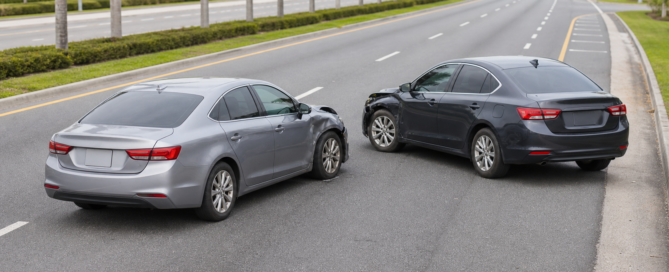
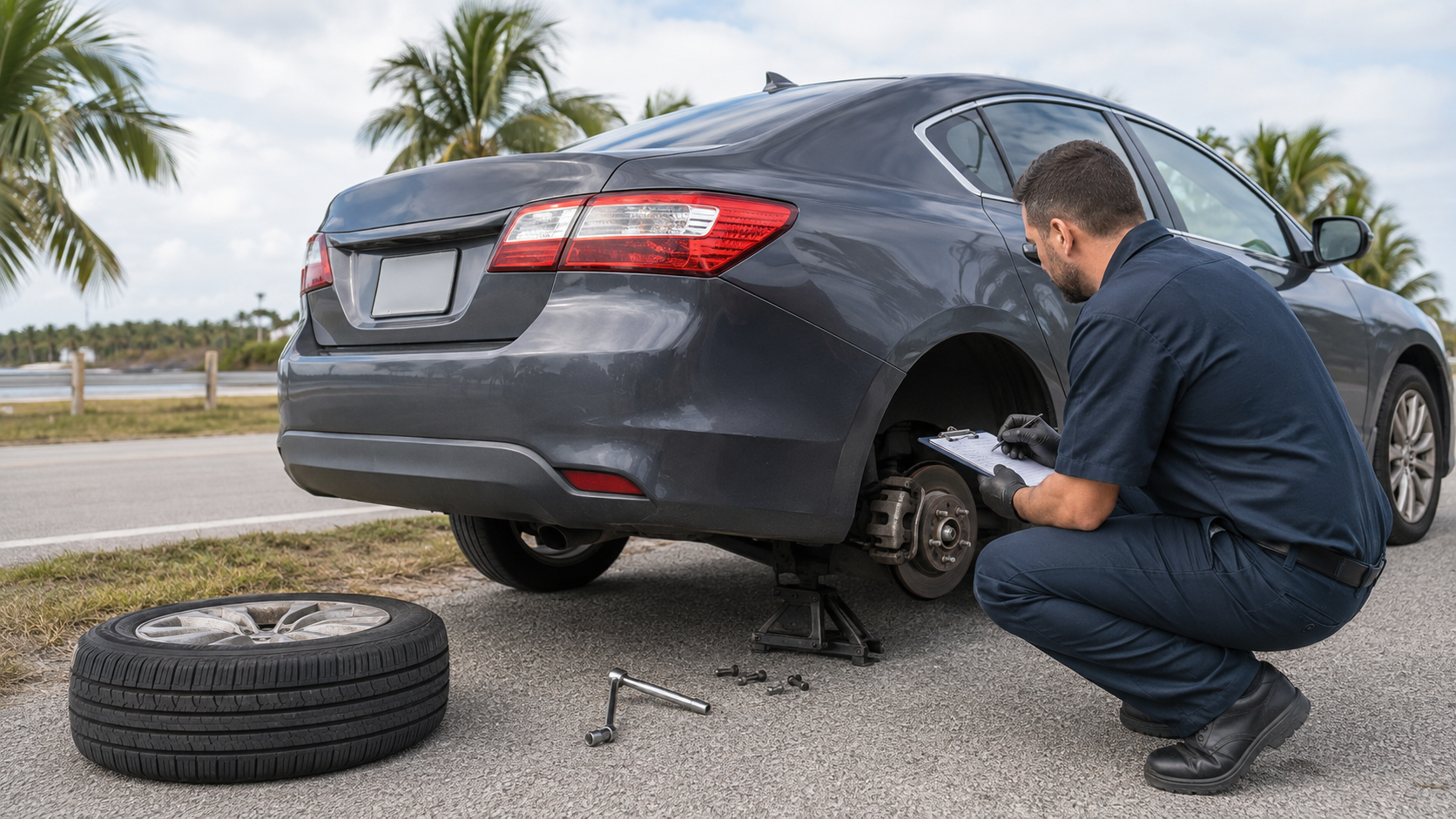
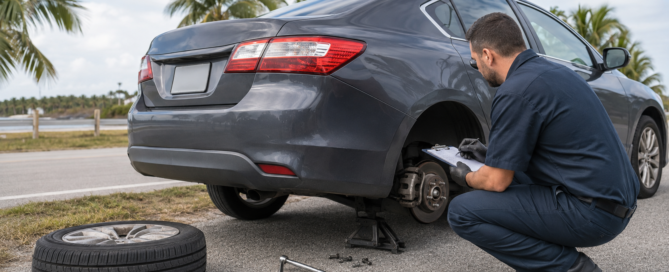
A brake failure accident claim often begins with a driver saying the pedal did not work. That statement matters, but it does not identify the cause. Worn components, contaminated fluid, a repair mistake, an electrical problem, a manufacturing defect, poor maintenance, or a driver’s delayed reaction can produce very different legal and insurance questions. Florida requires working brakesFlorida Statute section 316.261 requires covered vehicles to have brakes adequate to control movement and stop and hold the vehicle under loading and grade conditions. Section 316.263 requires brakes to be maintained in good working order. Those rules provide context, but a civil claim still needs proof of what failed, who was responsible, and how the failure caused injury. The driver’s conduct is one part of the storyInvestigators ask when the driver first perceived danger, when braking began, what the pedal felt like, whether warning lights appeared, and whether evasive steering was possible. Vehicle event data, dashboard video, witness accounts, tire marks, and final positions can test the account. A brake problem does not erase speeding, distraction, or following too closely; those actions may have reduced the time available to respond.At the same time, a driver who encountered a sudden, genuinely unexpected mechanical failure may have a different case from someone who ignored repeated warnings. Service history and prior symptoms help distinguish them. Maintenance records can redirect the claimPreserve inspection reports, repair invoices, text messages with mechanics, parts receipts, dashboard warnings, and warranty documents. The relevant questions include who owned the vehicle, who regularly used it, when the brakes were last serviced, what was recommended, and whether the work matched the invoice.A fleet vehicle may have electronic maintenance logs and driver inspection reports. A rental, employer, or delivery [...]
A Car Passes a Stopped School Bus in Florida: What Happens Next?

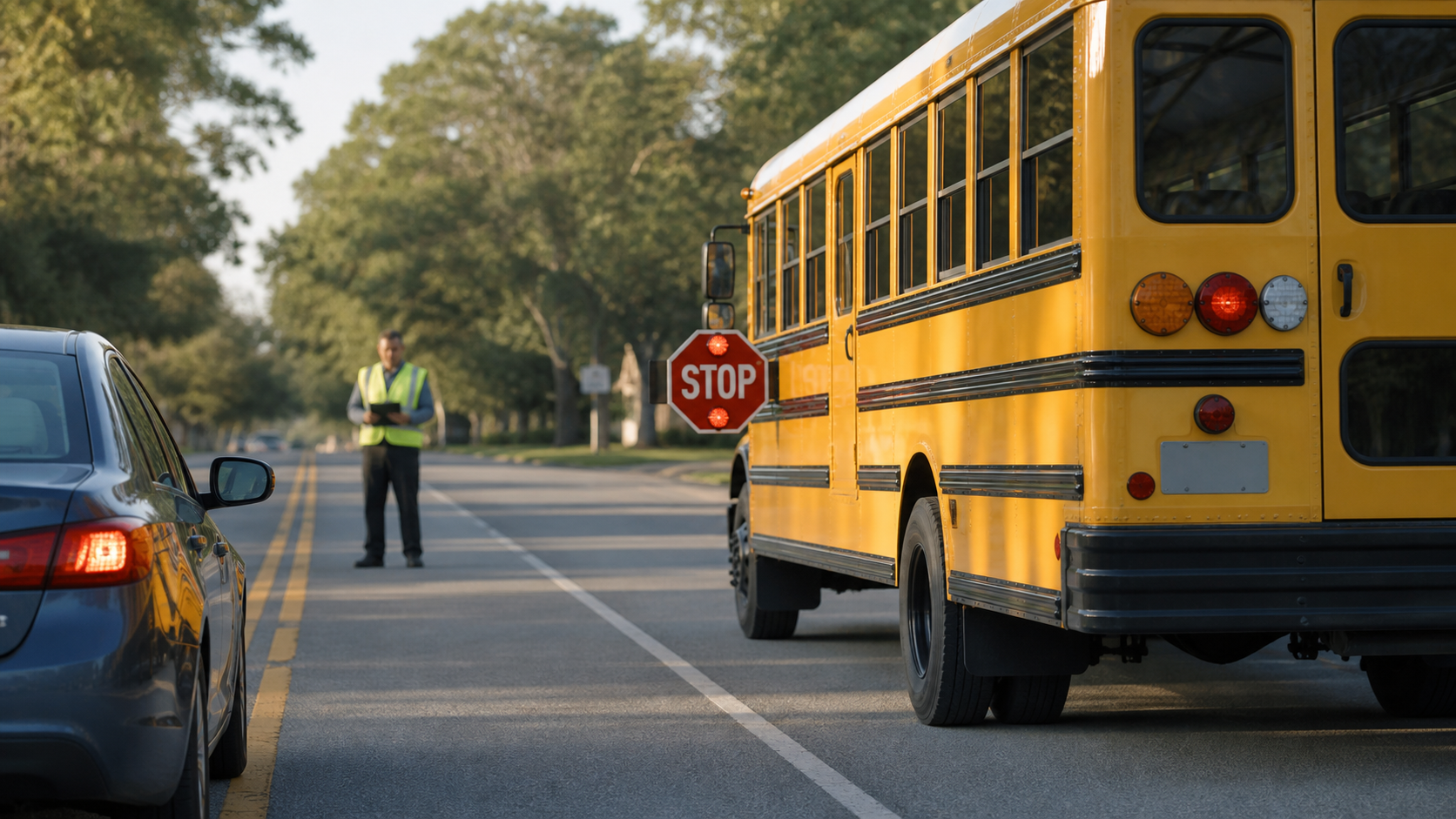
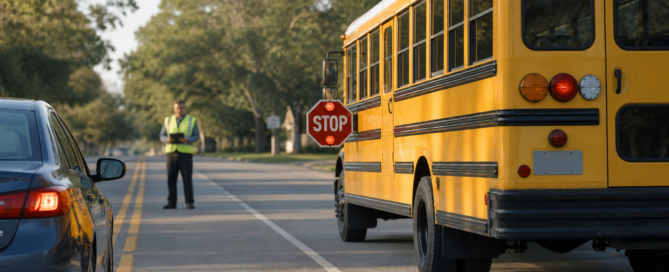
A school bus accident claim can begin in seconds: warning lights activate, a stop arm extends, and a vehicle passes while a student enters or leaves the bus. Safety and medical care come first. What follows is a time-sensitive investigation involving the bus, roadway, video, witnesses, driver conduct, and insurance. The stop itself is documentedFlorida Statute section 316.172 generally requires drivers approaching a school bus displaying a stop signal to stop and remain stopped until the signal is withdrawn. An exception applies to opposite-direction traffic on certain divided highways with an unpaved space, raised median, or physical barrier.Road design is therefore essential. Investigators photograph the bus location, lanes, median material, barriers, stop arm, warning lights, signs, curb, shoulder, and student path. A painted center lane is not necessarily the same as a physical divider. The warning sequence is reconstructedBus cameras may show when amber lights, red lights, and the stop arm activated. Nearby homes, businesses, and vehicles may capture the approaching car. Preserve footage promptly because retention periods can be short. Route data and maintenance records may clarify timing and equipment function.Witnesses should describe where the car was when lights activated, whether it slowed, which side it passed, and where the student stood. A timed sequence is more useful than a general conclusion. The passing driver is identifiedPlate information, bus-camera images, police work, and independent video may identify a driver who leaves. Ownership and driving are separate facts. A household member, employee, rideshare driver, or borrower may introduce additional responsibility and coverage questions.If the vehicle leaves, preserve the issues discussed in TuckerUp’s no-contact accident guide. Do not publicly accuse someone based on an unclear image. Medical needs are addressedA student can be struck directly, fall [...]

Railroad Crossing Crash in Florida: Which Evidence Answers the Hard Questions?

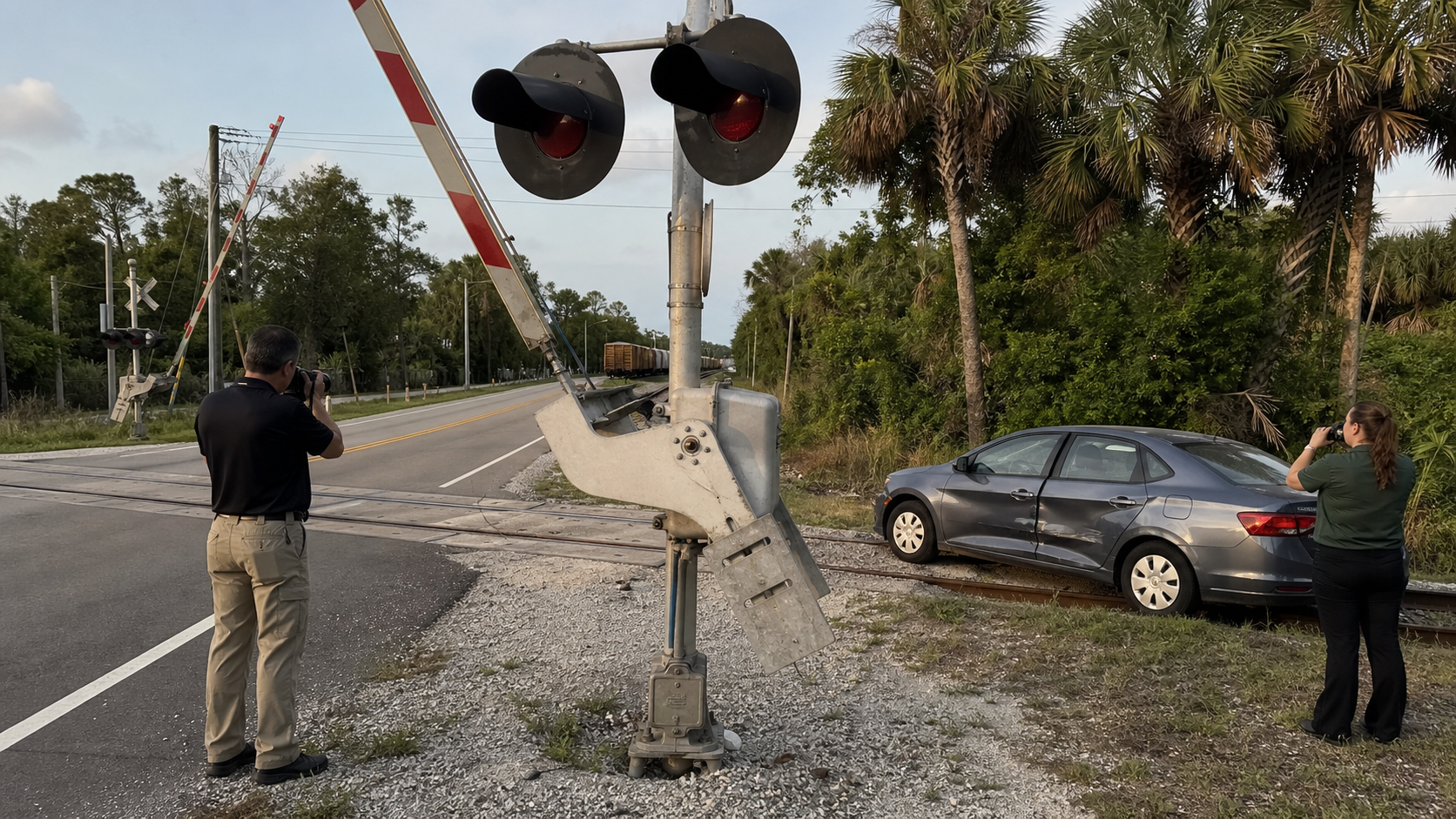
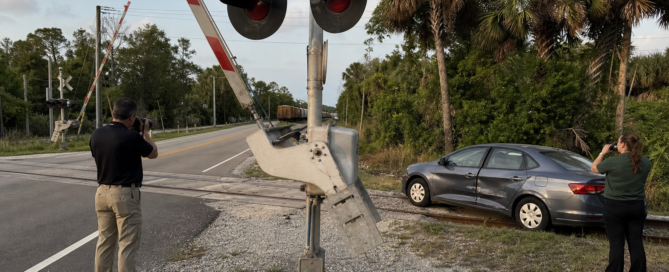
A railroad crossing accident claim may involve a driver, railroad, roadway authority, equipment contractor, property owner, or another motorist—but names should not be added merely because they are nearby. Hard questions are answered by gates and signals, sight lines, train and vehicle data, maintenance records, video, and a precise timeline. What did the crossing devices display?Photograph gates, lights, bells, signs, pavement markings, stop lines, and every approach. Determine whether the gate was lowered, moving, damaged, or absent. Video is more useful than a still image for showing when a warning sequence began relative to the train and vehicle.Florida Statute section 316.1575 identifies circumstances requiring a stop and prohibits driving through, around, or under a gate while it is closed or moving. The statute provides a driver-duty framework, but evidence determines what occurred. Could the driver see and hear the train?Investigators document vegetation, buildings, parked rail cars, road curvature, grade, weather, darkness, window position, and interior noise. A scene inspection should use the driver’s approximate eye level and direction. Seasonal vegetation and construction can change sight lines, so early photographs are valuable.Train horns, bells, vehicle audio, witness positions, and timing may address audibility. A witness outdoors may experience conditions differently from a driver inside a closed vehicle. What do the records show?Locomotive event recorders, onboard video, dispatch information, consist records, and crew reports may establish speed, braking, horn use, and movement. Vehicle event data, dash cameras, navigation history, and focused phone records may address the car’s speed, stop, throttle, and distraction. Preservation requests should be prompt.Original files and metadata are preferable to social-media copies. Clocks should be synchronized because camera, dispatch, phone, and recorder times may differ. Was equipment inspected and maintained?Inspection, test, repair, malfunction, and [...]

Is a U-Turn Legal in Florida—and Who Is at Fault After a Crash?

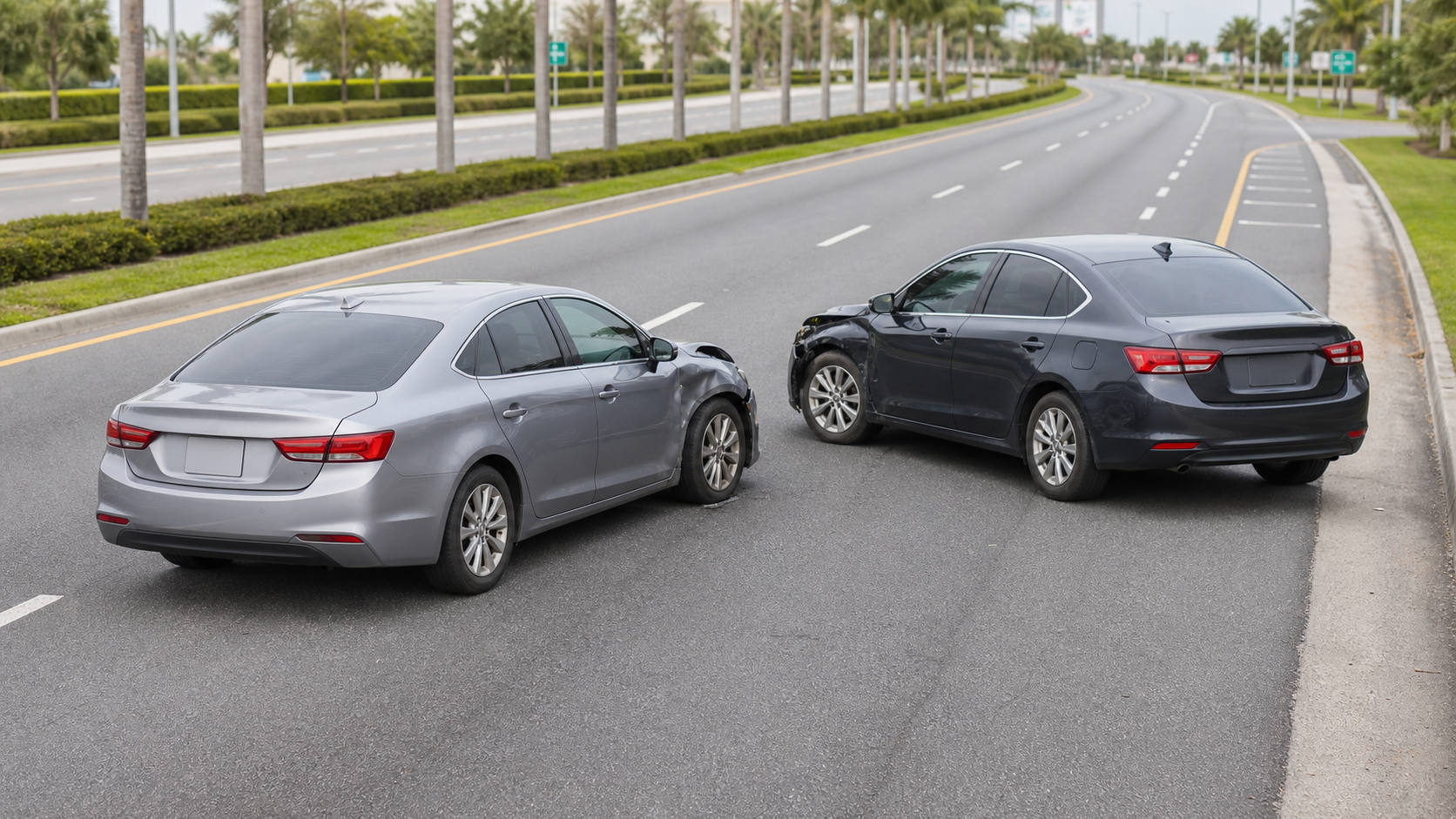
A u-turn accident claim cannot be decided merely by saying that one vehicle was turning around. Florida permits some U-turns, prohibits others, and always requires the movement to be safe. The turning driver’s visibility and timing matter, but so can another driver’s speed, lane change, signal, or distraction. Florida’s basic U-turn ruleFlorida Statute section 316.1515 says a driver may not turn to proceed in the opposite direction unless the movement can be made safely, without interfering with other traffic, and without violating a posted prohibition. The rule focuses on the actual maneuver, not a blanket statement that every U-turn is illegal.Section 316.152 separately prohibits turning around on a curve or near the crest of a grade when approaching drivers cannot see the vehicle within the statutory distance. Photographs of slope and sight lines can therefore be as important as collision damage. A permitted location but unsafe timingSuppose there is no “No U-Turn” sign and the roadway is straight. The turning driver waits for one lane to clear, starts the maneuver, and is struck in the next lane. The location may allow a U-turn, yet the execution may have interfered with traffic. Video, lane positions, turn radius, and approach speed help determine whether a reasonable gap existed.This resembles a left-turn accident claim, but the vehicle’s rotation and exposure may be greater. Damage to a front corner, side doors, or rear quarter panel can help locate the vehicles at impact. A posted prohibitionA clear sign changes the inquiry. Investigators document its placement, visibility, lighting, and whether construction or vegetation obscured it. A violation may be important evidence, but a civil claim still requires causation. If another driver was speeding, texting, or changed lanes into the collision, responsibility [...]

Blinded by the Sun: A Florida Crash Scenario Explained

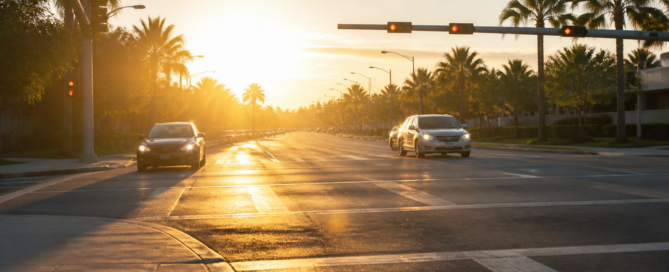
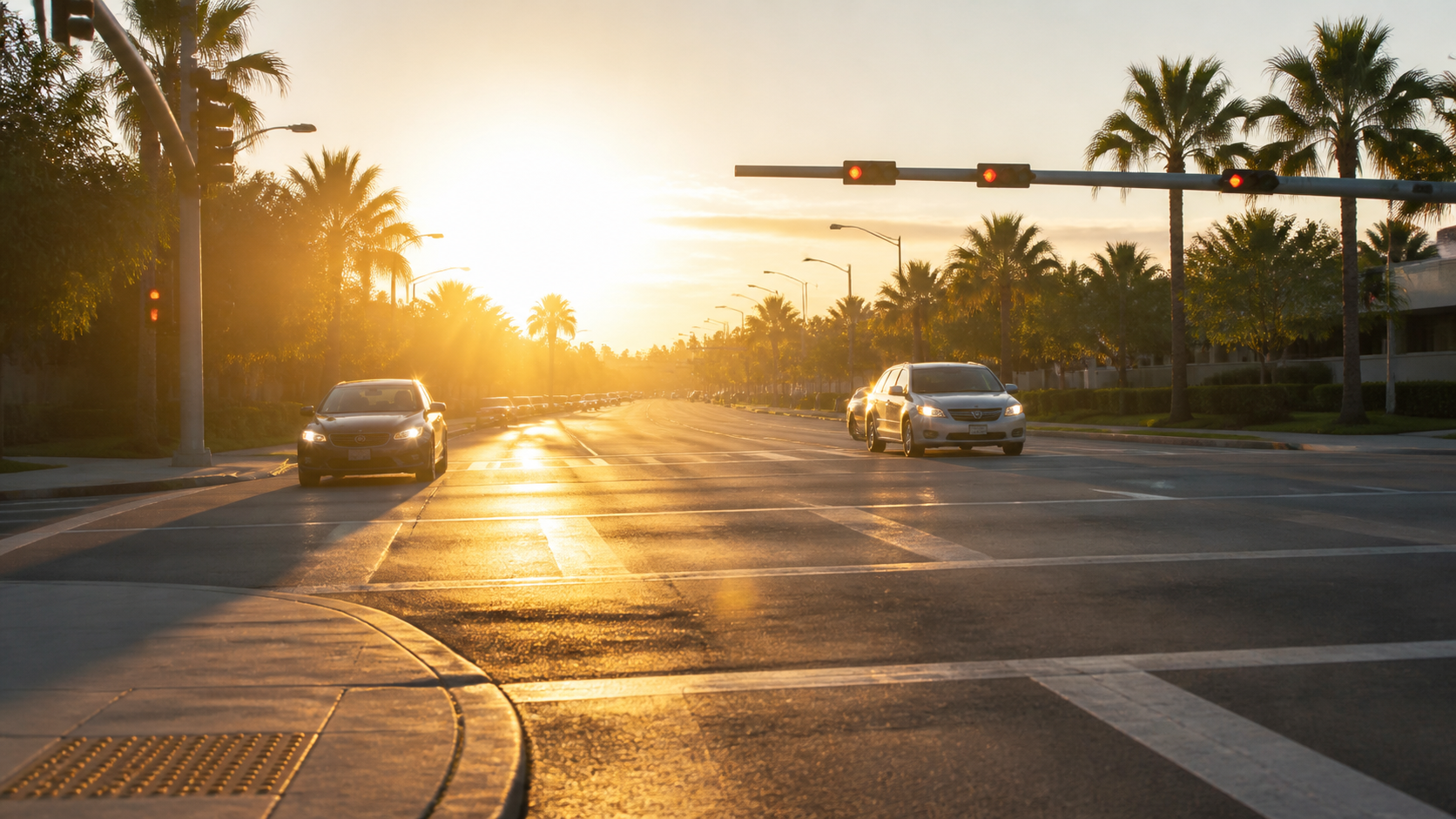
A sun glare accident claim often begins with a familiar sentence: “I could not see because the sun was in my eyes.” Glare can be intense on an eastbound morning commute or a westbound evening drive, but it does not automatically excuse a collision. Consider a hypothetical Florida intersection to see how evidence can change the analysis without inventing a client or result. The setup: a low sun and an ordinary intersection Imagine Driver A traveling east shortly after sunrise. The sun sits just above the road, and reflections stretch across a damp windshield. Driver B enters from a side street. The vehicles collide near the crosswalk. Driver A says the traffic light was green but admits the glare made Driver B difficult to see. Driver B says the signal had changed and Driver A never slowed. Those accounts identify disputed facts, not the answer. Investigators need the signal phase, each vehicle’s approach speed, sight lines, braking, lane position, and the moment Driver B entered. The work resembles a left-turn collision investigation: the right-of-way rule matters, but the seconds before impact often decide how it applies. What the driver facing glare was expected to do Florida’s speed rule requires driving at a reasonable and prudent speed under actual and potential hazards. Section 316.183 also requires speed control as necessary to avoid a collision. An investigator may therefore ask whether Driver A slowed, increased following distance, used a visor, cleaned the windshield, or continued despite severely limited vision. Glare is foreseeable at certain times and directions. That does not make every glare-related driver negligent. A sudden reflection from glass or water may be brief, and another road user may still violate a signal. The analysis is [...]

Go to Top