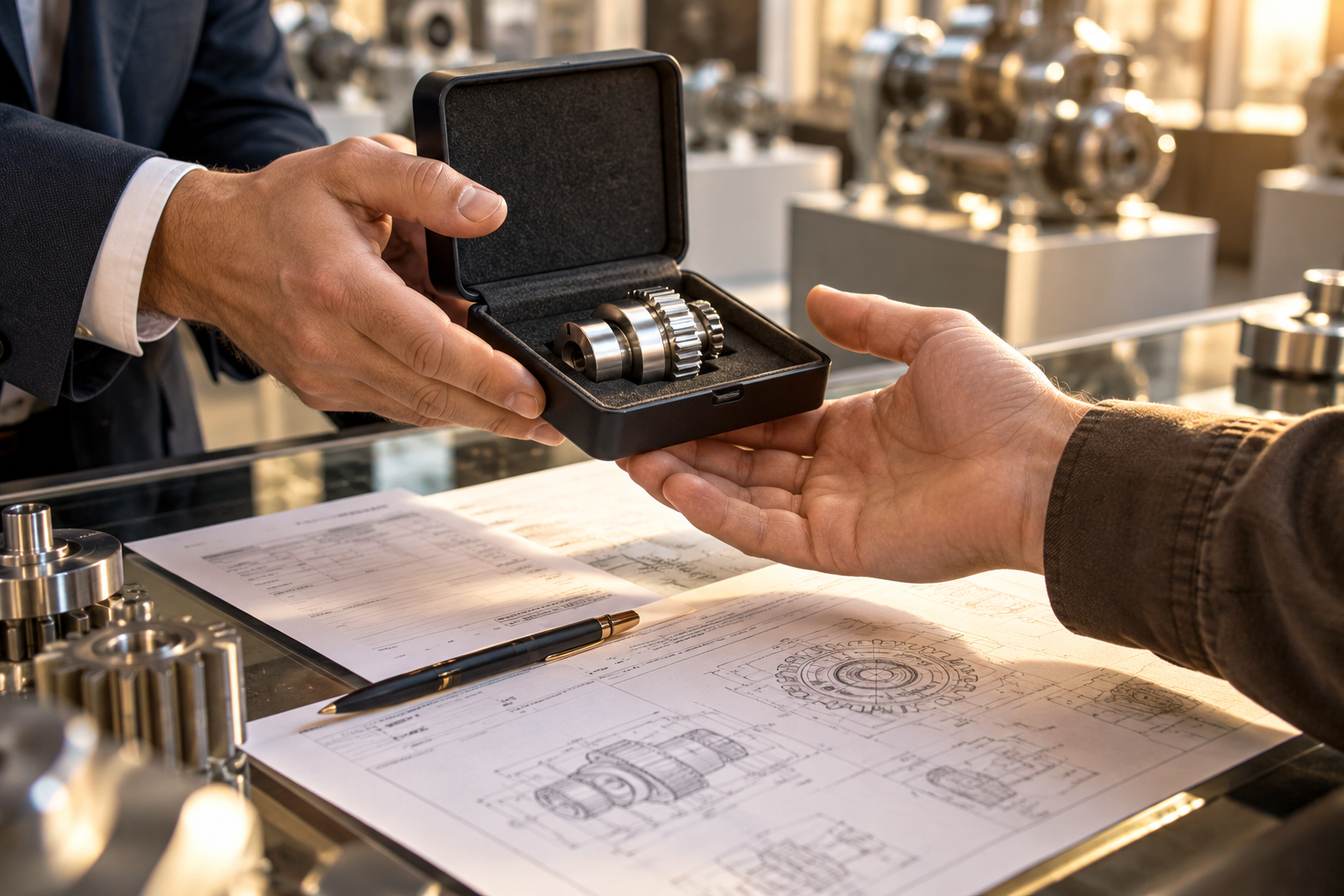
Patent Exhaustion: When an Authorized Sale Ends Patent Control
Patent rights can be powerful before a product is sold. After an authorized sale, however, the patent owner generally cannot keep using patent law to control that particular item. This principle—known as patent exhaustion or the first-sale doctrine—affects product makers, licensors, distributors, refurbishers, importers, and buyers in secondary markets.
The rule sounds simple, but commercial arrangements make it more complicated. Was the transaction truly a sale? Was it authorized by the patent owner? Did a licensee act within the scope of its license? Did a component already embody the inventive features? Is a refurbisher repairing the sold article or effectively making a new one? The answers can change whether a dispute belongs in patent litigation, contract litigation, or neither.
What Patent Exhaustion Does
Under 35 U.S.C. § 271, a patent owner generally may prevent others from making, using, offering to sell, selling, or importing a patented invention without authority. Exhaustion limits those rights after an authorized sale. Once the patent owner has received the benefit of an authorized sale, the patent laws ordinarily provide no basis to control the use or resale of that specific item.
Exhaustion does not cancel the patent, create a license to manufacture new units, or authorize every activity related to the product. It operates article by article. A purchaser may own a lawfully sold machine while the patent owner retains enforceable rights against a different company that makes unauthorized copies.
This distinction is central to practical patent strategy. The patent may still cover future products, replacement products that amount to new manufacture, methods not practiced by the sold article, or other items that were never the subject of an authorized sale.
The Authorized Sale Is the Critical Event
The Supreme Court’s decision in Impression Products, Inc. v. Lexmark International, Inc. is the modern starting point. Lexmark sold patented printer cartridges under two programs. Some cartridges were sold at full price. Others were sold at a discount through a program that required buyers to agree to use the cartridge only once and not transfer it to anyone other than Lexmark. A remanufacturer acquired spent cartridges, refilled them, and resold them.
The Supreme Court held that Lexmark’s authorized sales exhausted its patent rights in the cartridges, including cartridges sold subject to the single-use and no-resale restrictions. A patent owner may be able to enforce a valid contractual restriction against a party that agreed to it, but the restriction does not preserve a patent-infringement claim concerning an item the patent owner authorized for sale.
That separation between patent and contract remedies matters. Patent law can reach parties throughout a distribution chain and carries remedies that may differ from a contract claim. Contract obligations, by contrast, usually depend on the agreement, the parties bound by it, applicable state law, and available contractual remedies. A label stating “single use only” does not, by itself, turn the resale of an authorized product into patent infringement.
Authorized Foreign Sales Can Exhaust U.S. Patent Rights
Impression Products also held that an authorized sale abroad can exhaust U.S. patent rights in the item. The Court rejected a rule under which foreign sales would leave U.S. patent rights intact unless the patent owner expressly surrendered them. If the patent owner authorized the sale, its decision to sell the item—not the location of the sale—triggers exhaustion.
This does not mean every foreign sale is authorized. If an unrelated manufacturer sells a product abroad without permission from the U.S. patent owner, there may be no exhaustion because the patent owner did not authorize the sale. Likewise, questions about corporate relationships, distribution authority, territorial license limits, and the scope of consent may determine whether a transaction counts as authorized.
Companies that sell internationally should therefore coordinate patent and commercial planning before products enter the channel. Territorial pricing, customer restrictions, and differentiated product lines may still be managed through carefully designed commercial arrangements, but patent infringement is not a tool for controlling a particular item after the patent owner has authorized its sale.
Sales by Licensees Require a Scope Analysis
Products often reach the market through manufacturers operating under a patent license. The relevant question is whether the license authorized the sale. In Quanta Computer, Inc. v. LG Electronics, Inc., the Supreme Court concluded that sales by an authorized licensee exhausted the asserted patents. The license permitted the manufacturer to make, use, and sell the relevant products, and a separate notice to customers did not make the sales unauthorized.
A license can define the licensee’s authority by field of use, product, geography, customer class, or other limitations. When a licensee acts outside that authority, the exhaustion analysis can become fact-intensive. Courts distinguish conditions on the scope of the licensee’s permission from post-sale restrictions imposed on a buyer after an authorized sale. Transaction documents, actual course of performance, and the relationship among the patent owner, licensee, distributor, and purchaser can all matter.
For this reason, a sound patent licensing program should clearly identify who may manufacture and sell, which products and territories are covered, and whether downstream sales are authorized. The language should also separate patent-license scope from contractual promises governing buyers or distributors.
Components and Method Claims Can Be Exhausted
Exhaustion is not limited to a sale of a fully assembled product bearing every element of an apparatus claim. Quanta held that method claims can be exhausted and that the authorized sale of components may trigger exhaustion when the components substantially embody the patented invention.
The processors and chipsets in Quanta did not themselves practice every limitation until combined with other parts, but their only reasonable and intended use was to practice the patents, and they embodied the inventive features. The Court declined to let claim format defeat exhaustion: drafting an invention as a method did not permit the patent owner to control downstream use after an authorized sale of products that substantially embodied that invention.
This rule is especially important in electronics, software-enabled devices, automotive systems, and other modular supply chains. A company evaluating a component sale should ask whether the component has substantial noninfringing uses, whether it contains the inventive aspects of the patent, what additional steps remain, and what the patent owner authorized. The answer depends on the patents, product architecture, and transaction—not merely on whether the invoice describes the item as a “component.”
Resale, Repair, and Reconstruction Are Different Questions
After an authorized sale, the owner of the item ordinarily may use or resell it without the patent owner’s permission. Secondary-market businesses may also perform legitimate repair. But exhaustion does not grant the right to make a new patented article.
The difficult line is between repairing the sold item and reconstructing it so extensively that the activity amounts to making another patented article. Replacing a worn or consumable part may be a permissible repair, while an operation that effectively creates a new instance of the patented product may expose the operator to infringement liability. There is no universal parts-count or cost-percentage test. Courts consider the nature of the patented combination, the work performed, the useful life of the original article and its components, and whether the identity of the sold article has been preserved.
Companies that refurbish or remanufacture products should document where products came from, whether the original sales were authorized, which parts are replaced, and how the process differs from manufacturing a new product. Patent-claim analysis may also reveal that a replacement part independently practices a separate patent even if repairing the larger product is permitted.
What Exhaustion Does Not Eliminate
Patent exhaustion addresses patent rights in a particular sold item. It does not automatically resolve contractual duties, warranty limitations, trade-secret obligations, trademark issues, software-license terms, regulatory requirements, or copyright restrictions. Nor does it authorize deceptive marketing about affiliation, sponsorship, or the condition of a refurbished product.
It also does not excuse unauthorized manufacture. A purchaser cannot buy one patented product and treat that purchase as permission to reproduce it at scale. Businesses considering design changes or new production after a launch should conduct a separate infringement and post-launch patent strategy review.
Practical Planning for Patent Owners and Product Businesses
Patent exhaustion should be considered when a business chooses between selling a product, licensing technology, providing a service, or retaining ownership and leasing equipment. Courts look to the substance of a transaction, not just its label, so calling a completed transfer a “license” may not preserve patent control if the arrangement functions as a sale.
Patent owners should map the full channel before drafting restrictions. Who takes title? Who merely possesses equipment? Which entity authorizes each sale? Are contractual restrictions enforceable against the party whose conduct creates the concern? Does a manufacturing license clearly define its scope? Could a component sale exhaust patents covering a larger system?
Buyers, investors, distributors, and refurbishers need the opposite diligence. They should trace the chain of authorization, identify relevant patents and licensed sellers, review restrictions without assuming those restrictions create patent liability, and evaluate whether contemplated work is use, repair, or new manufacture. If a dispute is likely, early claim and transaction analysis can prevent a commercial disagreement from becoming expensive patent litigation.
The Bottom Line
An authorized sale generally exhausts the patent owner’s rights in the item sold. The rule applies to domestic and authorized foreign sales, can apply to method patents and components, and cannot be avoided merely by placing post-sale restrictions on a buyer. But exhaustion remains item-specific, depends on authorization, and does not permit new manufacture or eliminate independent contract and other legal obligations.
Tucker Law helps patent owners, licensees, product companies, and secondary-market businesses assess transaction structure, downstream restrictions, repair programs, and enforcement risk. Contact Tucker Law to discuss how patent exhaustion may affect a sale, license, supply agreement, or dispute.