Tucker Law Footer Image
Call 1-800-TUCKERWINS

Can a Pothole Crash Become a Florida Injury Claim?

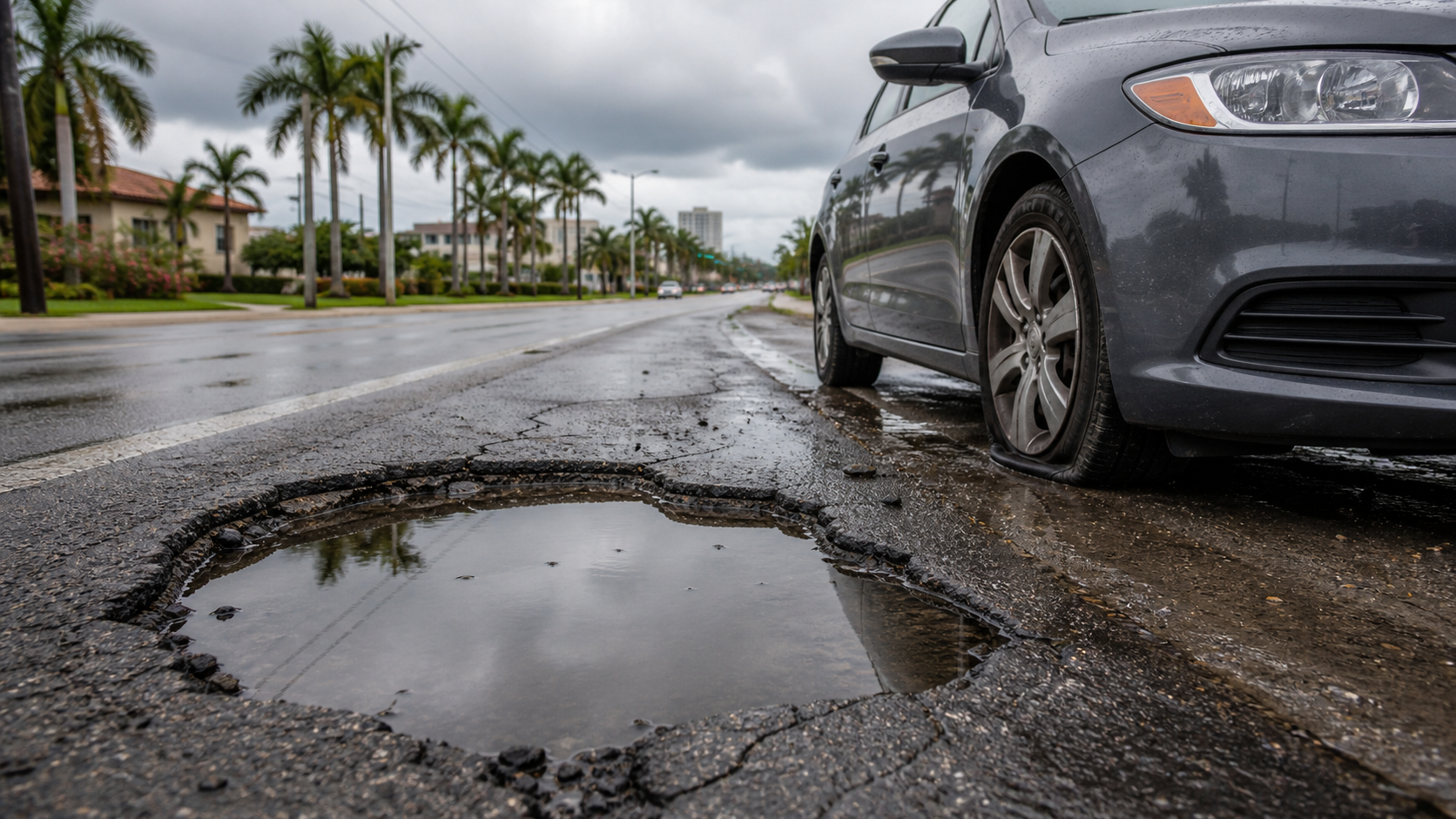
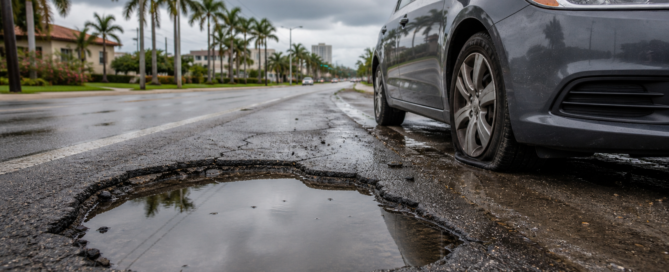
A pothole accident claim is rarely as simple as showing a photograph of broken pavement. A dangerous road defect may contribute to a motorcycle fall, bicycle crash, loss of control, tire failure, or secondary collision. But a viable Florida injury claim usually turns on road control, notice, response, driver conduct, causation, and compliance with special procedures. Myth: The city is responsible for every pothole Fact: Florida roads are controlled by different entities. A state road may involve the Florida Department of Transportation, while a county, municipality, toll authority, private community, shopping center, contractor, or utility may control another location. Maintenance duties can also be divided by contract. The correct name on a map does not necessarily identify the party responsible for inspecting and repairing the pavement. A useful investigation begins with the precise location: direction of travel, lane, nearest address, mile marker, intersection, and GPS coordinates if available. Photographs should show both a close view and the larger roadway context. This helps connect the defect to the right agency and avoids confusion with a similarly named road. Myth: A photograph alone proves negligence Fact: A photograph can establish dimensions and condition, but it may not show how long the defect existed or who knew about it. Work orders, inspection logs, prior complaints, repair histories, 911 calls, public-service requests, and dated online imagery may help establish notice. Weather and construction records may explain when the pavement failed. Preserve the original image file, not just a screenshot. Metadata, date, lighting, and a recognizable landmark can strengthen its value. Measure only when it is safe and lawful; no evidence is worth stepping into active traffic. Myth: Hitting the pothole guarantees compensation Fact: The claimant must still connect the [...]
Who Is Liable After a Wrong-Way Driver Accident in Florida?

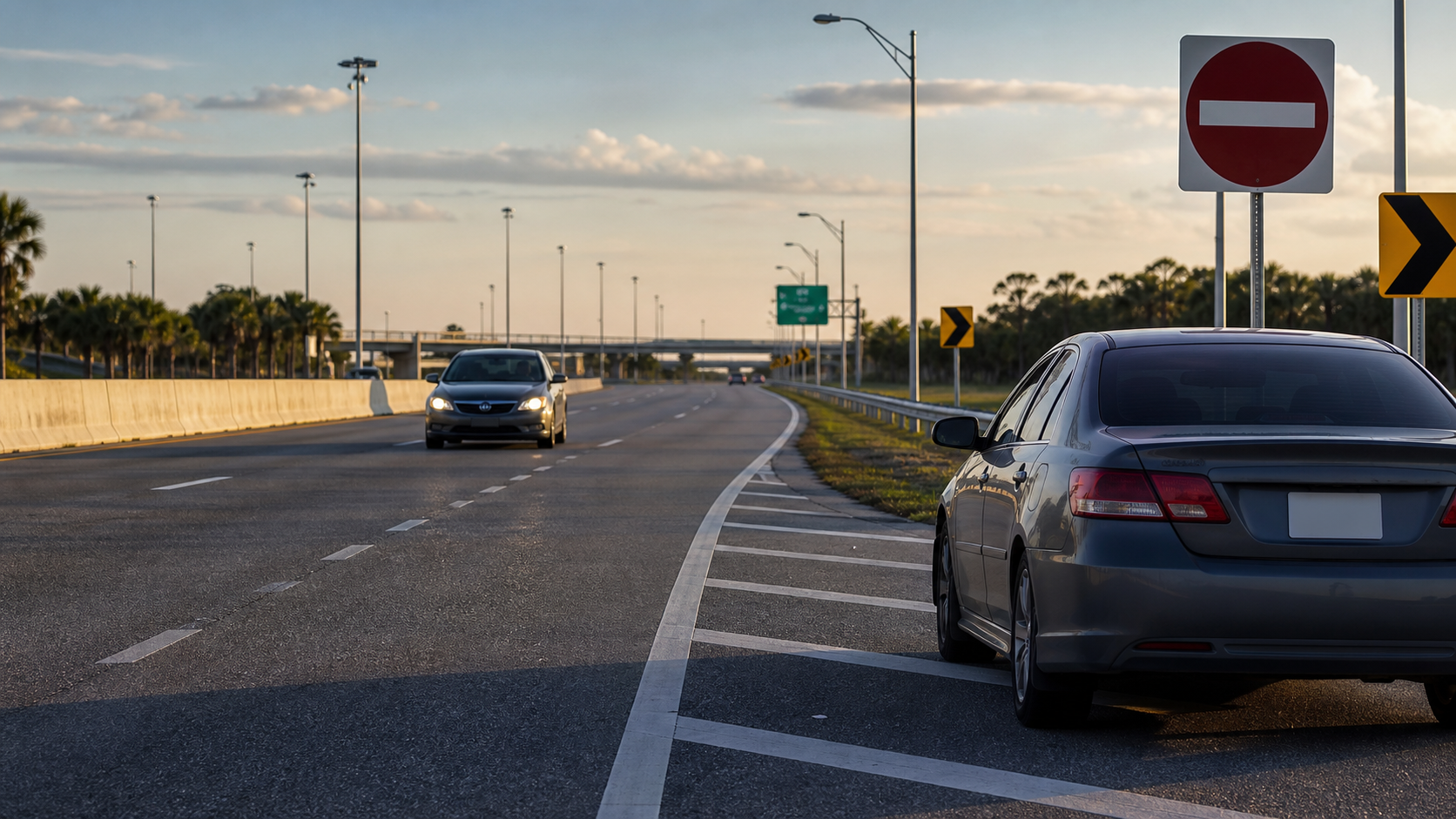
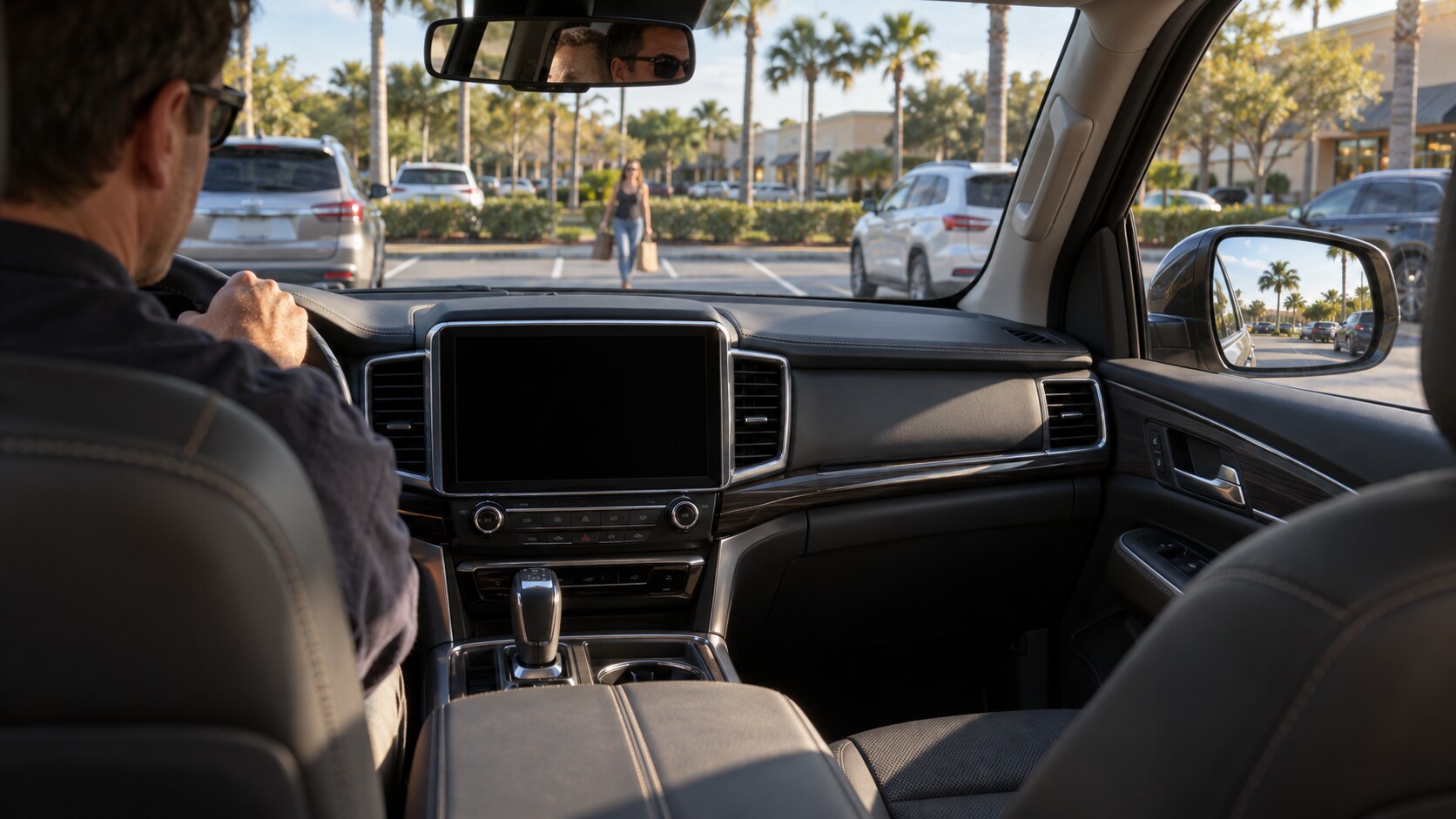
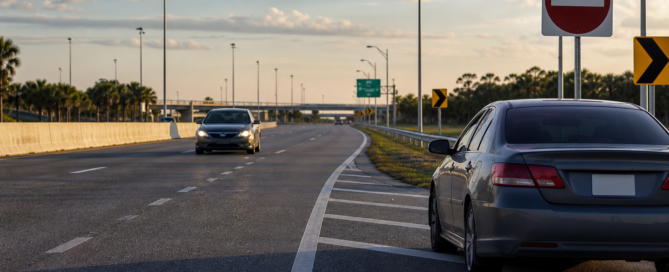
A wrong-way driver accident claim often begins with a violent head-on or evasive-action crash. The immediate fault may appear obvious, but a complete investigation still matters. The wrong-way vehicle may enter through an exit ramp, cross a median, turn onto a one-way street, or continue in the opposing lane because of impairment, distraction, confusion, or a medical event. Evidence can identify the driver, explain how the vehicle entered the roadway, reveal whether other parties contributed, and locate available insurance. These eight questions can guide a Florida wrong-way driver accident claim. 1. How Did the Vehicle Enter the Wrong Direction? Trace the route backward from the collision when it is safe and practical to do so. Photograph ramps, medians, intersections, lane arrows, pavement markings, and signs. Note whether construction, darkness, weather, vegetation, or damaged signs affected visibility. Florida's right-side-of-the-road statute generally requires vehicles to travel on the right half of a roadway, subject to stated exceptions. The roadway evidence can help show where and when the driver departed from lawful travel. 2. Was the Driver Impaired, Distracted, or Fatigued? Police observations, field testing, toxicology, phone records obtained through proper process, witness reports, and vehicle data may explain the conduct. Medical issues, age-related confusion, navigation instructions, or unfamiliar roads can also be relevant. A reason for the mistake does not necessarily excuse it, but it may affect the evidence, insurance defenses, potential claims against other parties, and whether reckless conduct is alleged. 3. Did the Wrong-Way Vehicle Strike Anyone? Some incidents involve direct contact. Others force a driver to swerve into a barrier, ditch, or another vehicle. A no-contact event can still require investigation of the wrong-way driver's conduct and causation. Preserve dashcam files, witness information, 911 [...]

Who May Be Liable After an Emergency Vehicle Accident in Florida?

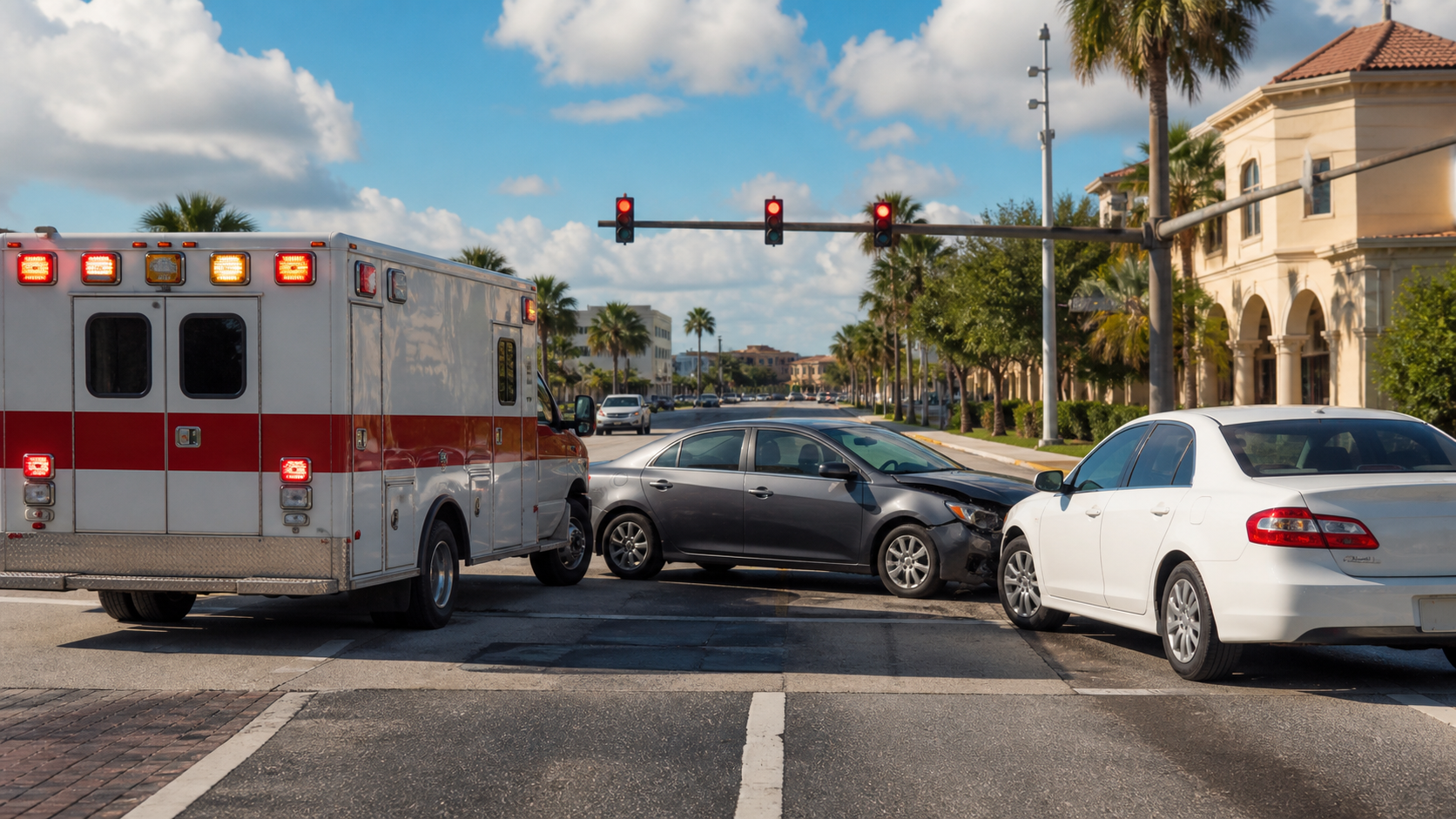
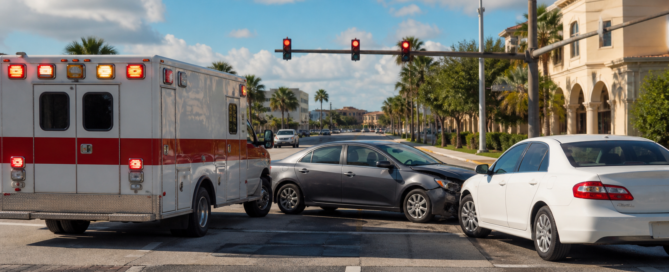
An emergency vehicle accident claim can involve competing duties. Police cars, fire apparatus, and ambulances may need to move quickly, while other drivers must react safely to lights and sirens. The emergency does not make every collision unavoidable, and it does not mean the same party is responsible in every case. The analysis may involve the emergency driver, another motorist, the employing agency, a private ambulance company, vehicle maintenance, roadway design, and special rules for government claims. These eight questions can help organize the evidence after a Florida emergency vehicle accident. 1. Was the Vehicle Responding to an Emergency? Identify the type of vehicle, agency or company, direction of travel, and purpose of the trip. Record whether lights and sirens were operating and when you first saw or heard them. A marked ambulance responding to a call may present different issues from a private vehicle or a public vehicle traveling without emergency signals. Dispatch records, onboard video, GPS data, radio traffic, and incident reports may help establish the vehicle's status and route. 2. What Did Other Drivers Have to Do? Florida Statute section 316.126 addresses how drivers must respond to an approaching authorized emergency vehicle using audible or visible signals. In general, motorists must yield, move toward the closest edge of the roadway when reasonable, clear intersections, and stop until the emergency vehicle passes unless directed otherwise. The exact response must still account for immediate safety. A driver should not make a blind lane change, stop in an intersection, or create a new collision while trying to yield. 3. Did the Emergency Driver Use Reasonable Care? Emergency drivers may have operational privileges in qualifying situations, but those privileges do not eliminate the need to consider [...]

What Should You Do After a Bicycle Dooring Accident in Florida?

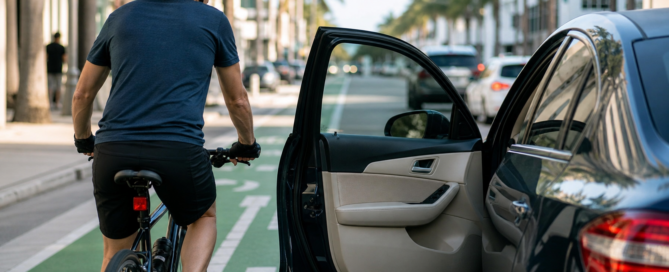
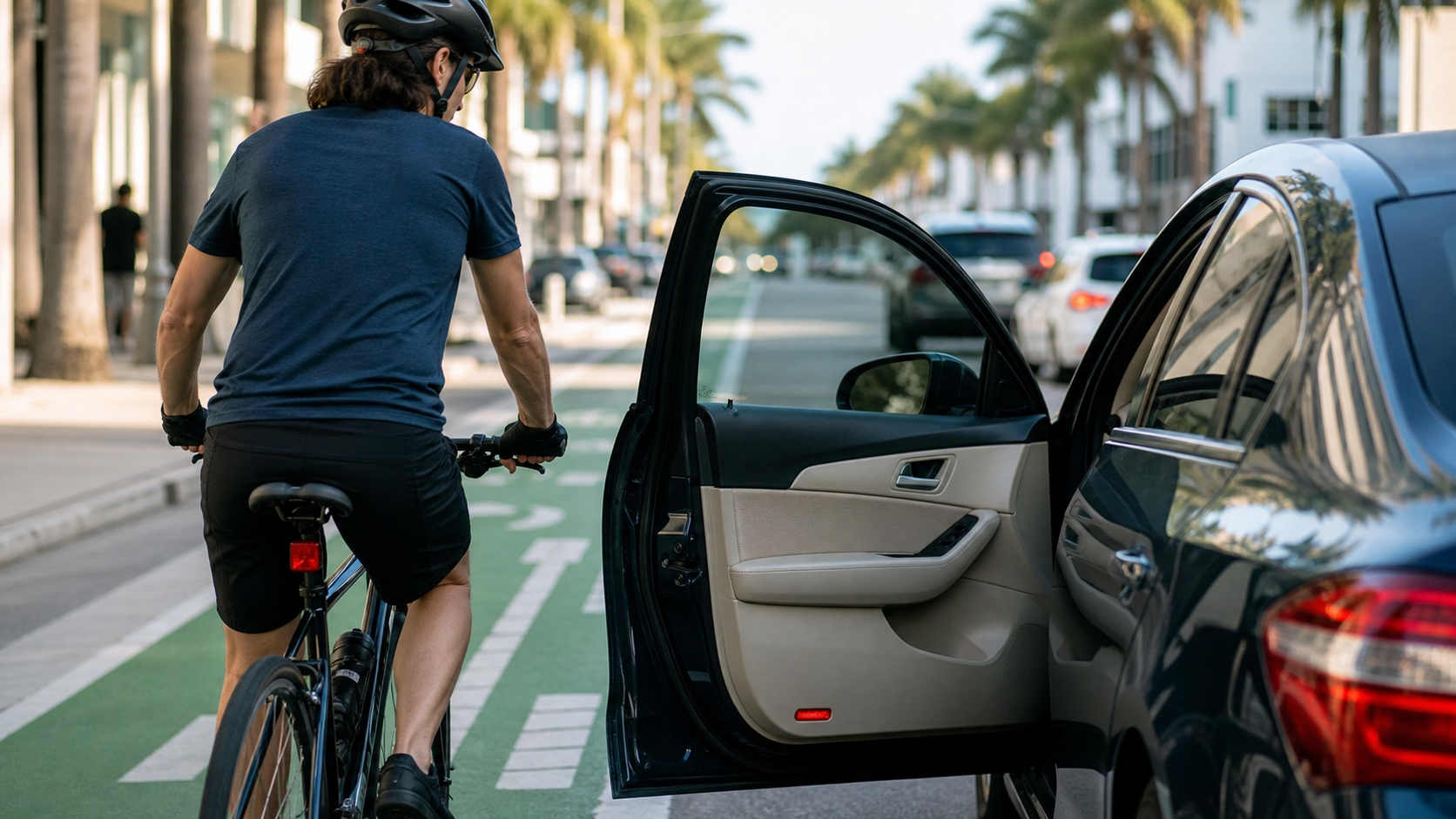
A bicycle dooring accident claim begins when a driver or passenger opens a vehicle door into a cyclist's path. The cyclist may hit the door, swerve into traffic, fall onto the pavement, or collide with another vehicle. Even at modest speed, the resulting injuries can be serious. Dooring cases often turn on a few seconds of conduct and evidence that disappears quickly. Florida law, the position of the bicycle, the timing of the door opening, and the available insurance may all matter. These eight steps can help preserve a Florida bicycle dooring accident claim. 1. Move Out of Traffic and Call for Help If possible, get yourself and the bicycle away from moving vehicles without disturbing more of the scene than safety requires. Call 911 when there is an injury, traffic hazard, or significant damage. Ask for medical assistance if you struck your head, lost consciousness, have severe pain, or cannot move normally. Do not minimize symptoms because the crash involved a parked vehicle. A sudden stop, fall, or second impact can cause injuries that are not immediately obvious. 2. Document the Door and Bicycle Lane Photograph the open door before it is closed if you can do so safely. Take wide images showing the parked vehicle, bicycle lane, travel lane, curb, parking lines, and sight distance. Then capture close photographs of damage to the door edge, mirror, bicycle, helmet, clothing, and other equipment. Measure or visually document how far the door extended into the cyclist's path. Photograph obstructions such as tinted windows, large vehicles, construction materials, or vegetation. 3. Understand Florida's Door-Opening Rule Florida Statute section 316.2005 provides that a person may not open a motor-vehicle door unless it is reasonably safe and can [...]

Go to Top